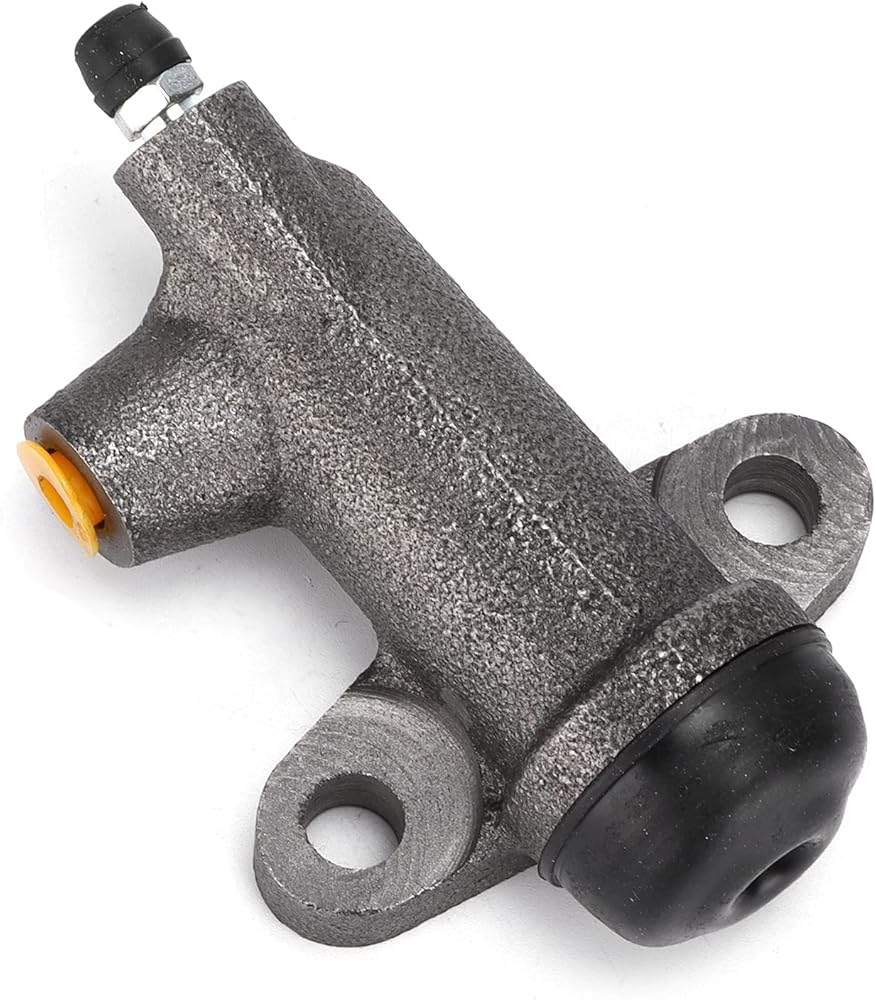
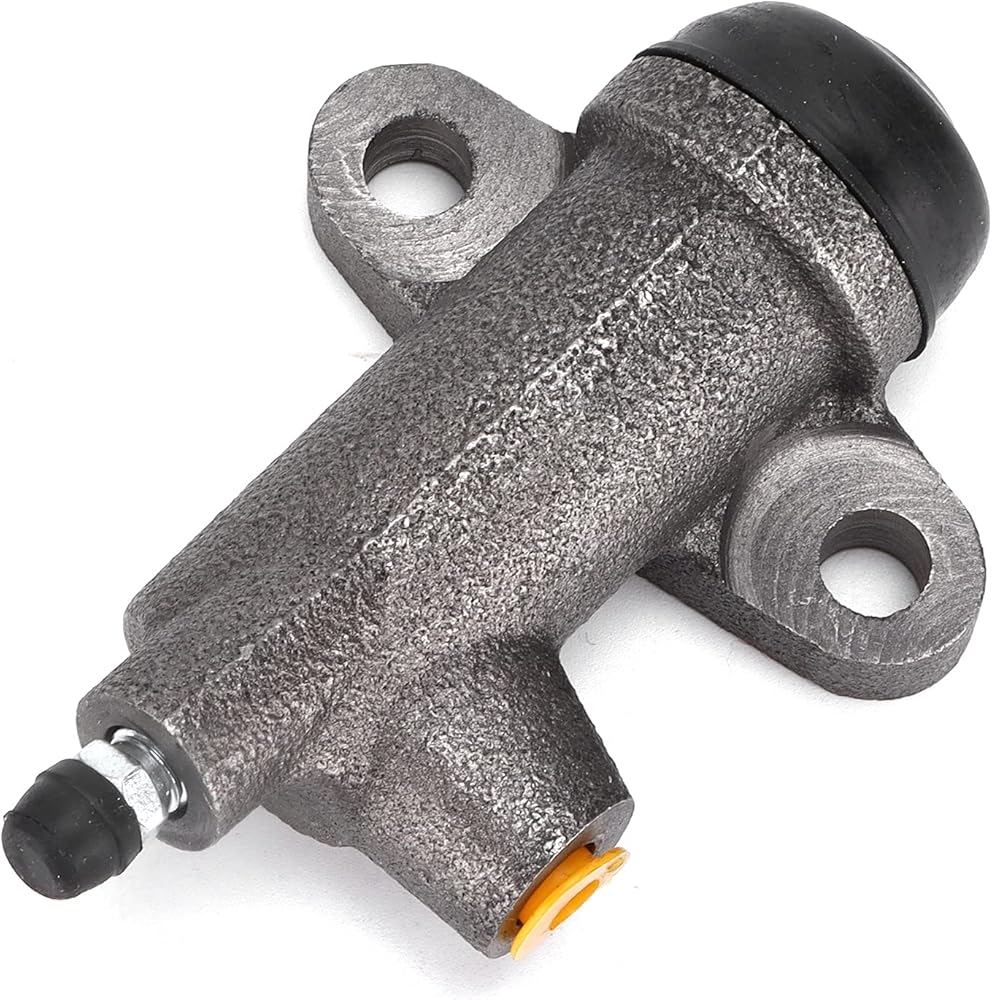
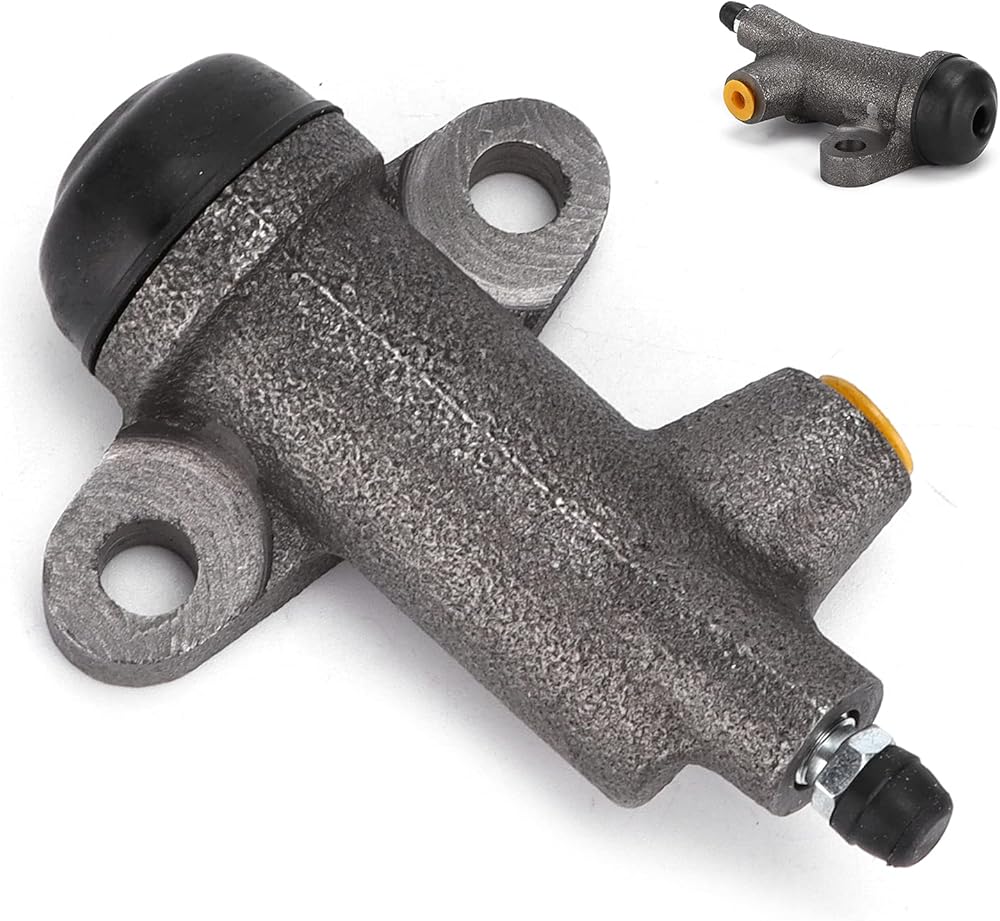
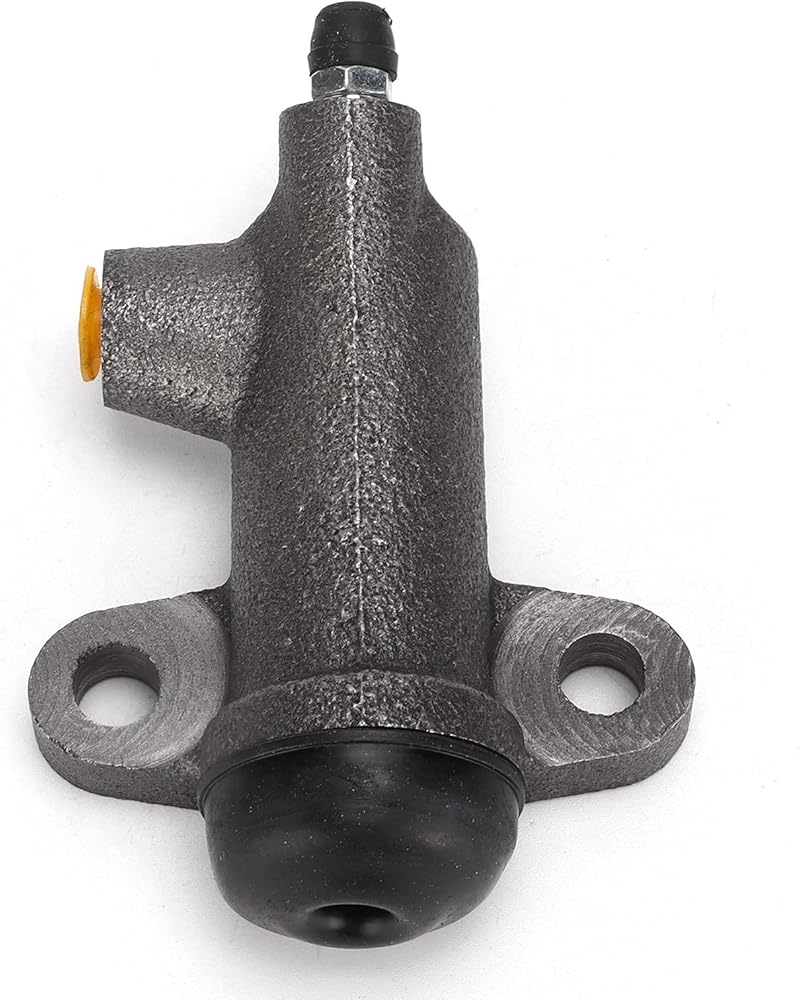
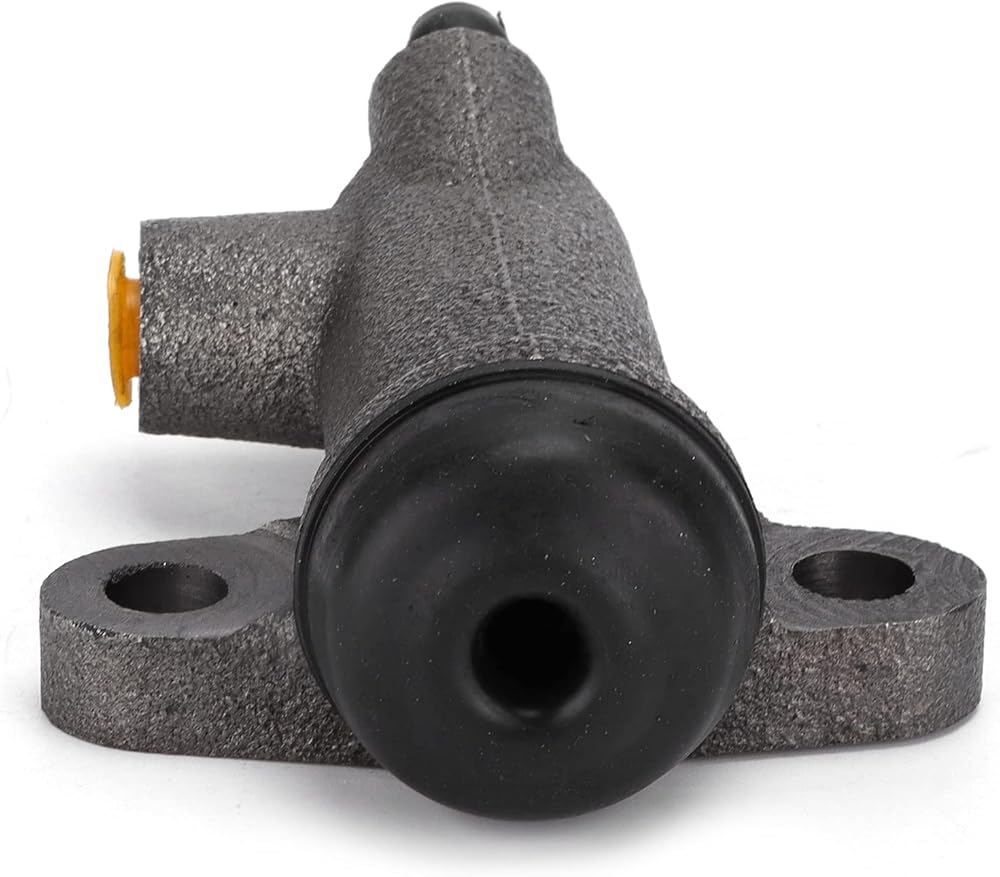
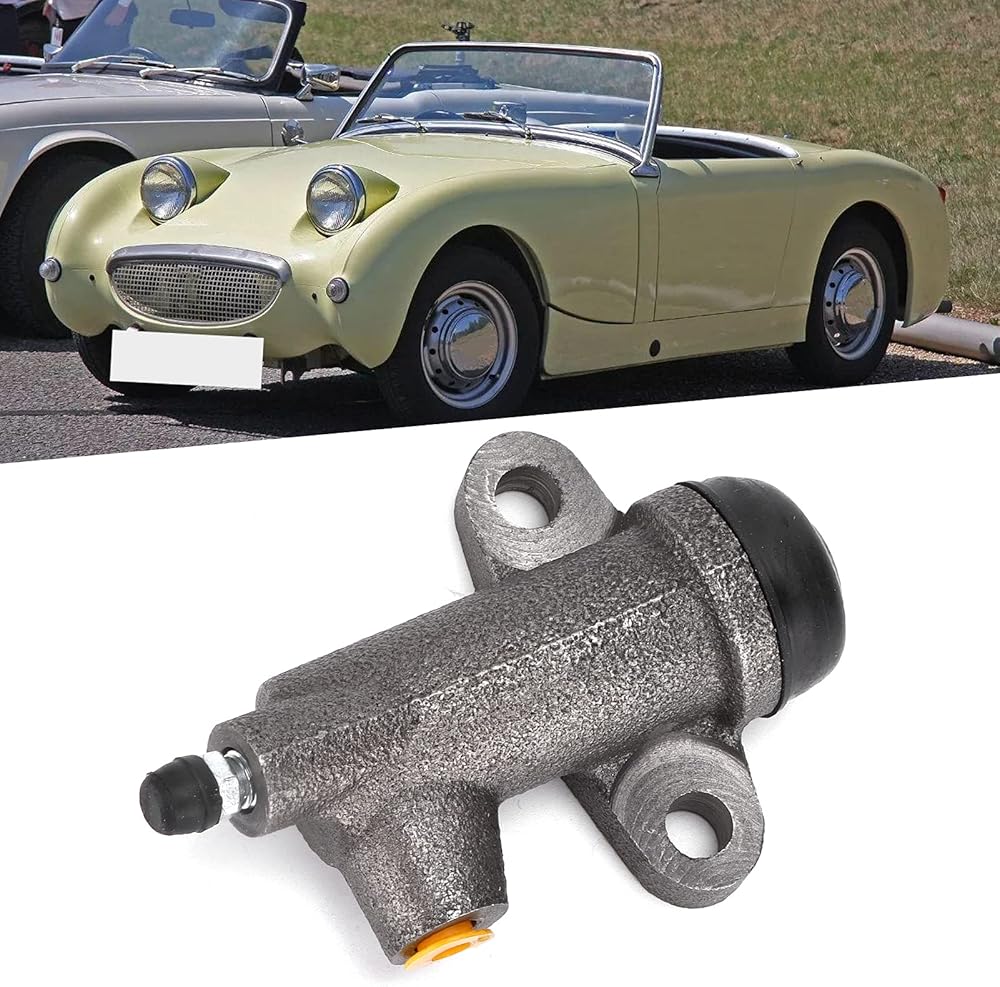
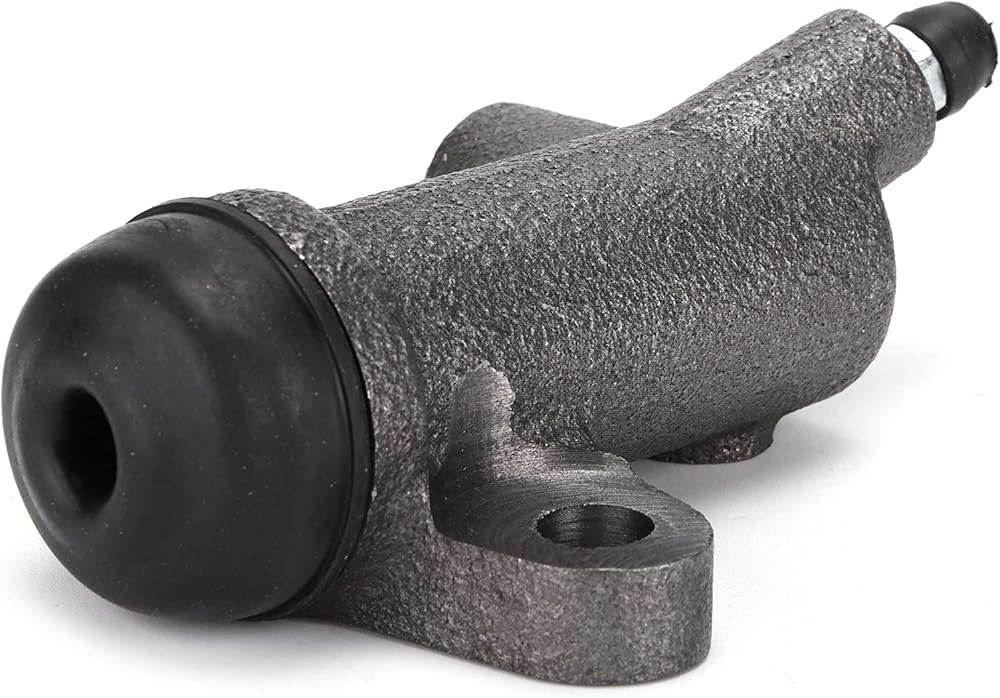
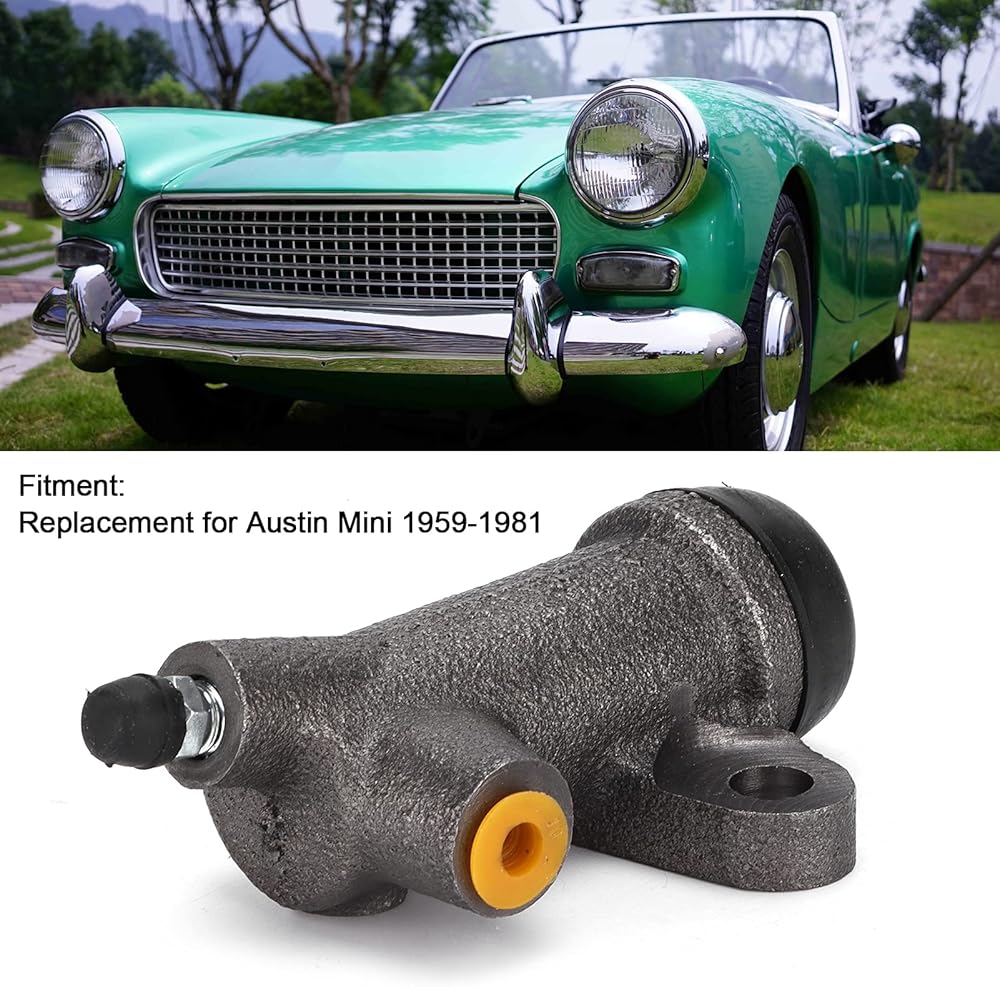
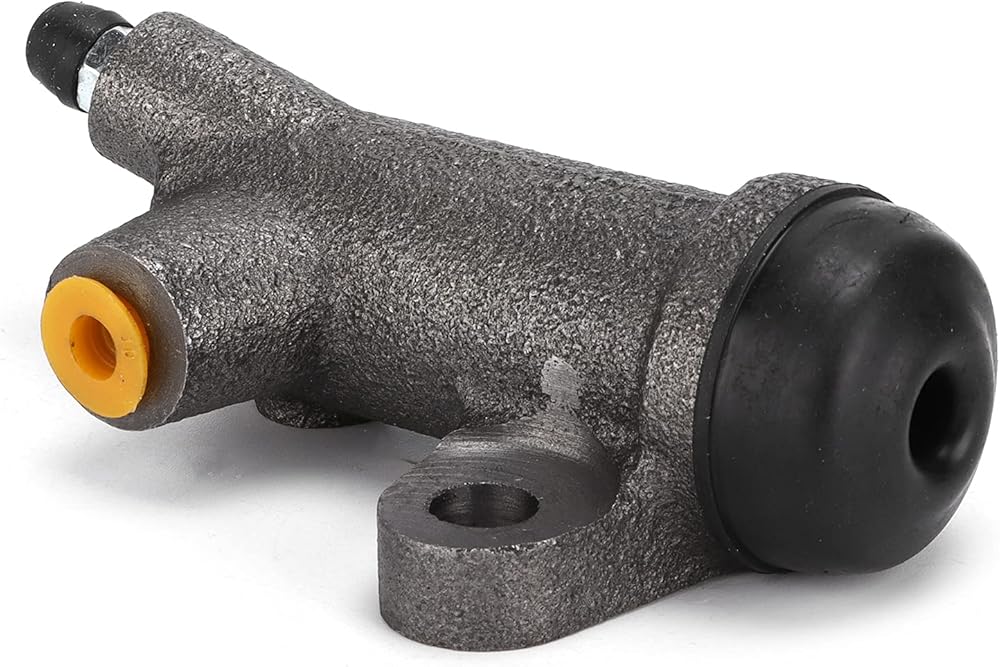
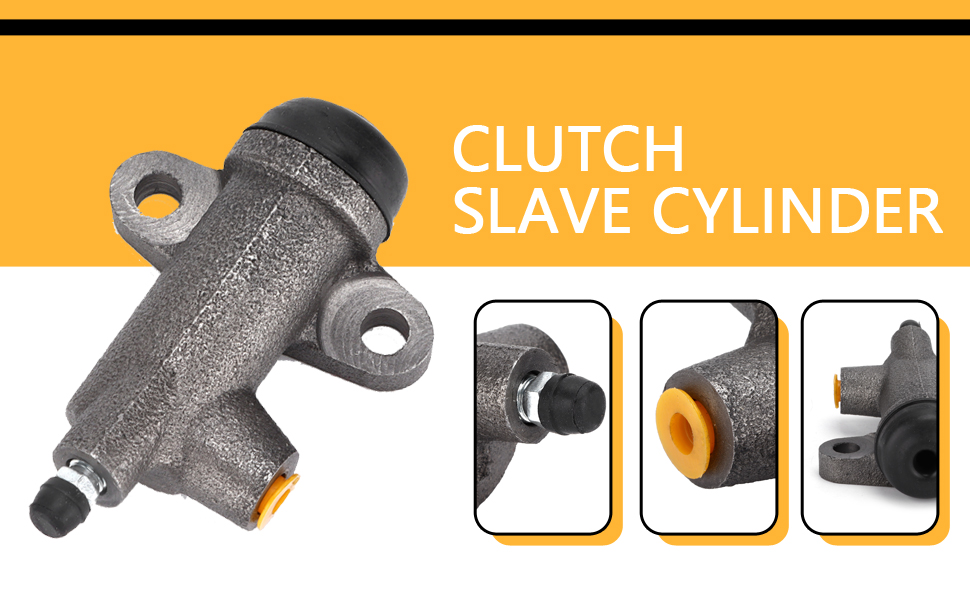
OEMCompatible Design for Hassleless Replacement Engineered to match the exact specifications of the original Austin Mini 1959-1981 clutch slave cylinder, this GSY110 unit ensures seamless integration without modifications. Directly replaces worn or damaged components, restoring factorylevel performance for smooth clutch engagement and disengagement. Its precisioncrafted dimensions guarantee alignment with existing bolt patterns and hydraulic lines, minimizing downtime during installation.
Reduced Clutch Pedal Effort for Effortless Shifting Designed to enhance driving comfort, this clutch slave cylinder significantly reduces pedal force required to operate the clutch, delivering a lighter and more responsive feel. Advanced internal seals and piston mechanisms ensure consistent hydraulic pressure transfer, eliminating stiffness or sponginess. Perfectly for stopandgo traffic or long drives, it promotes smoother gear transitions and reduces driver fatigue
Robust Metal Construction for Longevity Built with heavyduty metal alloys, this cylinder withstands the rigors of highpressure hydraulic systems and repetitive use. The reinforced body resists wear from friction and heat generated during clutch operational , ensuring stable performance over extended periods. Unlike cheaper alternatives prone to leaks or warping, its solid construction maintains structural integrity even under demanding conditions
FactoryDirect Replacement for Quick Installation Simplify repairs with a true plugandplay solution. This GSY110 cylinder replicates the original design, allowing mechanics and enthusiasts to remove old units and install this replacement using standard tools. Prebled and pretested for immediate use, it eliminates complex adjustments or compatibility concerns. Whether restoring a classic Mini or addressing sudden clutch failure
Rigorously Tested for Consistent Performance Every cylinder undergoes stringent quality checks to ensure leakless seals, smooth piston movement, and flawless hydraulic response. Advanced machining techniques eliminate burrs or imperfections that could hinder performance, while pressure testing validates durability under extreme conditions.

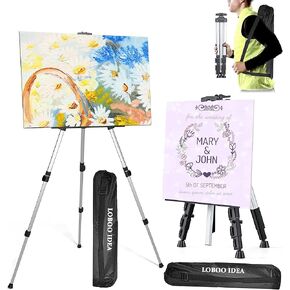 Loboo Idea Portable Artist Easel Stand, Art Drawing Easels for Painting Canvas Wedding Signs & Display,Adjustable Height Painting Easel with Bag, Height from 17" to 60" ,Silver
KWD 7
Loboo Idea Portable Artist Easel Stand, Art Drawing Easels for Painting Canvas Wedding Signs & Display,Adjustable Height Painting Easel with Bag, Height from 17" to 60" ,Silver
KWD 7
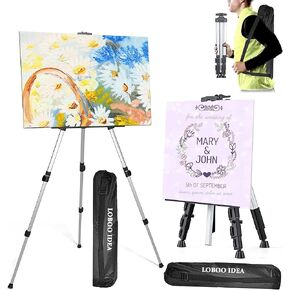 Loboo Idea Portable Artist Easel Stand, Art Drawing Easels for Painting Canvas Wedding Signs & Display,Adjustable Height Painting Easel with Bag, Height from 17" to 60",Black
KWD 7
Loboo Idea Portable Artist Easel Stand, Art Drawing Easels for Painting Canvas Wedding Signs & Display,Adjustable Height Painting Easel with Bag, Height from 17" to 60",Black
KWD 7
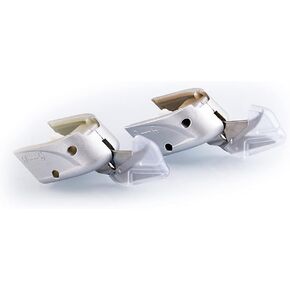 Cordless Electric Scissors For Crafts, Sewing, Cardboard. Loboo Idea Zip Snip Electric Scissors with 2 Cutting Blades. Electric Fabric Scissors Box Cutter for Fabric Cutting. Cordless Shears
KWD 5.500
Cordless Electric Scissors For Crafts, Sewing, Cardboard. Loboo Idea Zip Snip Electric Scissors with 2 Cutting Blades. Electric Fabric Scissors Box Cutter for Fabric Cutting. Cordless Shears
KWD 5.500
 11 Pieces Damaged Screw Extractor Set, Remove Broken Head Screw & Bolt Screw Extractor Drill Bit Set, Adjustable Tap Die Wrench Stud Remover Screw Extractor Set (11 Pieces Screw Extractor)
KWD 7.500
11 Pieces Damaged Screw Extractor Set, Remove Broken Head Screw & Bolt Screw Extractor Drill Bit Set, Adjustable Tap Die Wrench Stud Remover Screw Extractor Set (11 Pieces Screw Extractor)
KWD 7.500