All electronics ship with US style plugs.You may need a voltage converter or a plug adapter.
Special Features
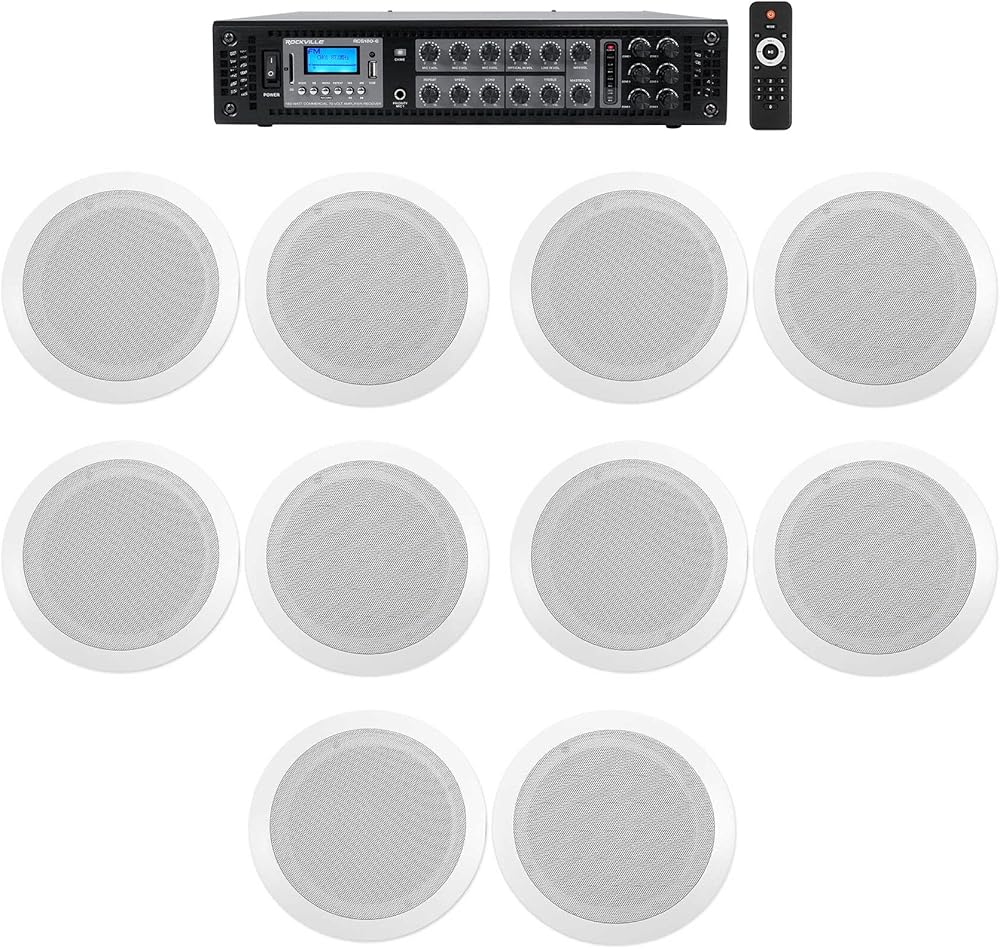
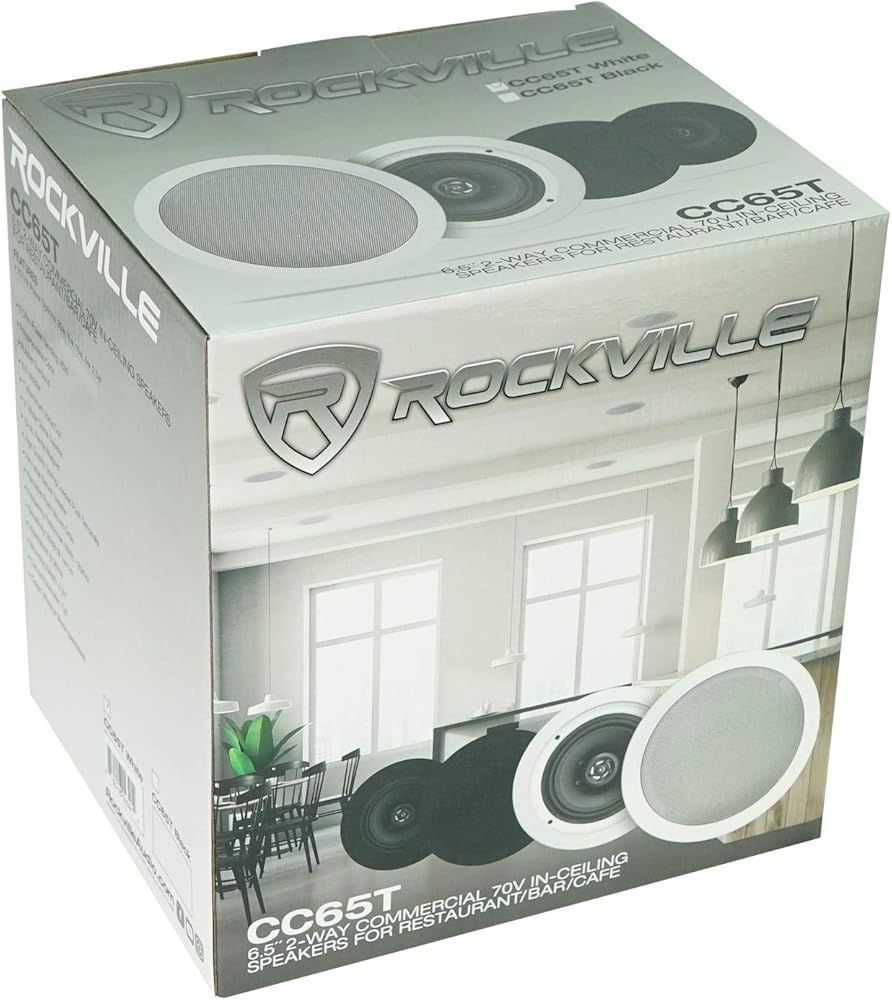
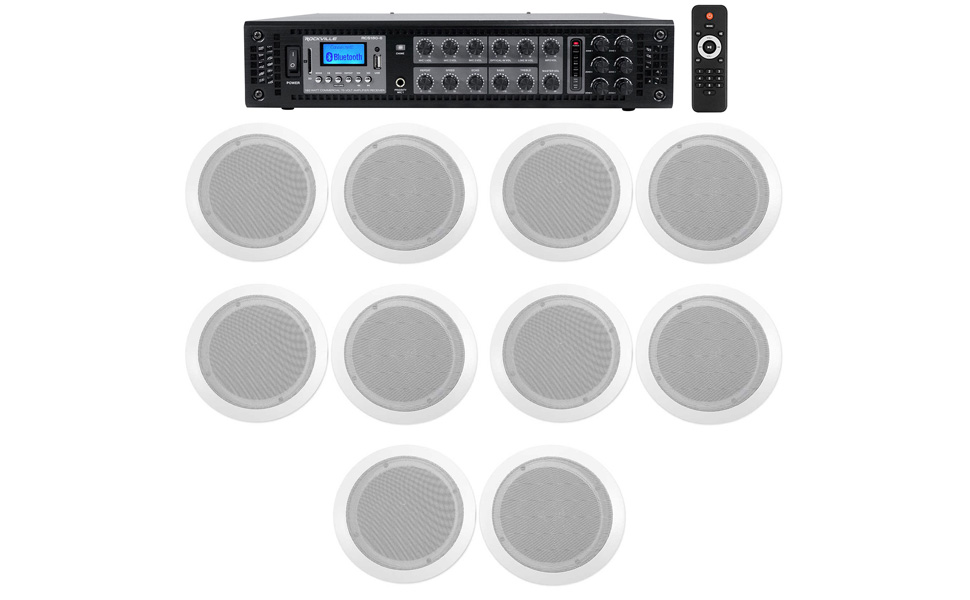
Package Includes: (1) Rockville RCS180-6 180-Watt 6-Zone 70V/100V/4–8-Ohm Commercial/Restaurant Amplifier with Bluetooth, USB/SD, Optical, and (3) Mic Inputs; (5) Pairs Rockville CC65T White 6.5" Commercial 70V In-Ceiling Speakers for Restaurant with Paintable Grilles and Tap Settings (20-Watts/15-Watts/10-Watts/5-Watts/2.5-Watts)
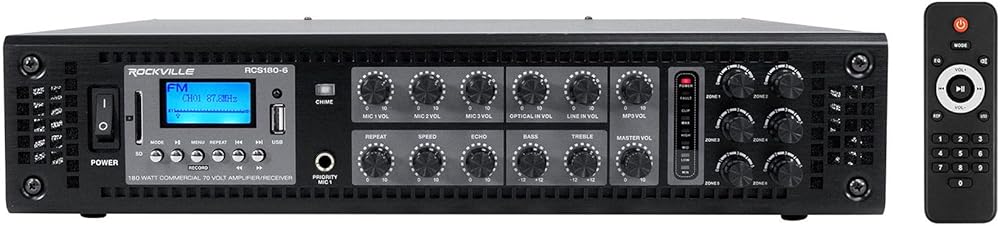
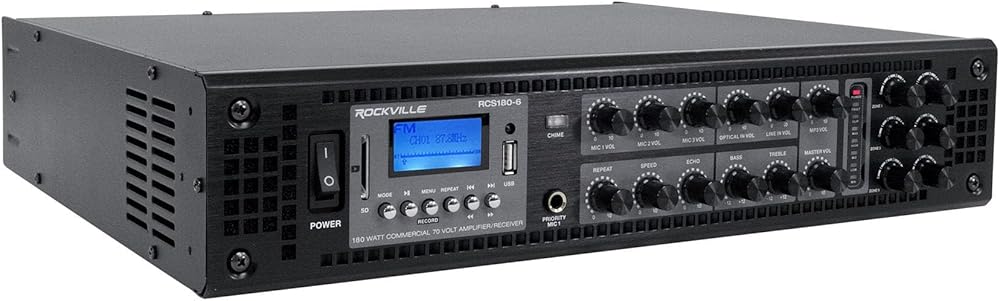
Six-Zone Power & Control: The RCS180-6 drives up to 6 zones from a single 180-Watt amp, each with its own front-panel volume, so dining rooms, bar, patio, hallway, and restrooms can be set perfectly. Use 70V/100V for long runs or 4–8-Ohm for local speakers. Plan taps confidently-many installers target ≤80% of amp capacity-so typical layouts total ≈120–150-Watts across zones with clean headroom for busy service.
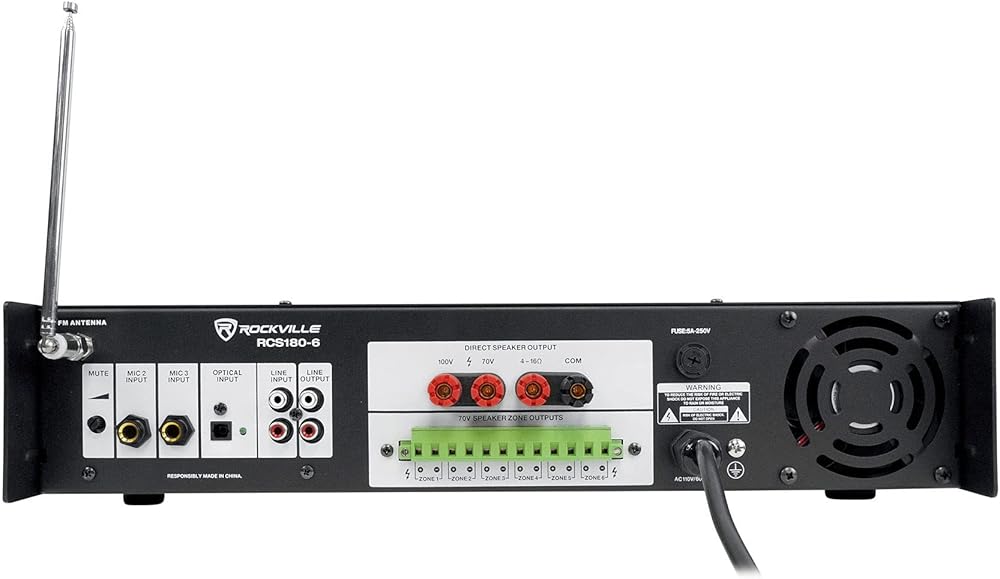
Pro Connectivity & Paging: Keep content flowing all day with Bluetooth streaming, USB/SD playback, and dual line inputs, plus optical to feed TV/projector audio. Three mic inputs with echo and a front-panel chime make pages and announcements clear and professional. A built-in limiter, active cooling, and 5-segment signal metering help protect speakers and maintain consistent levels during long shifts and high-traffic hours.
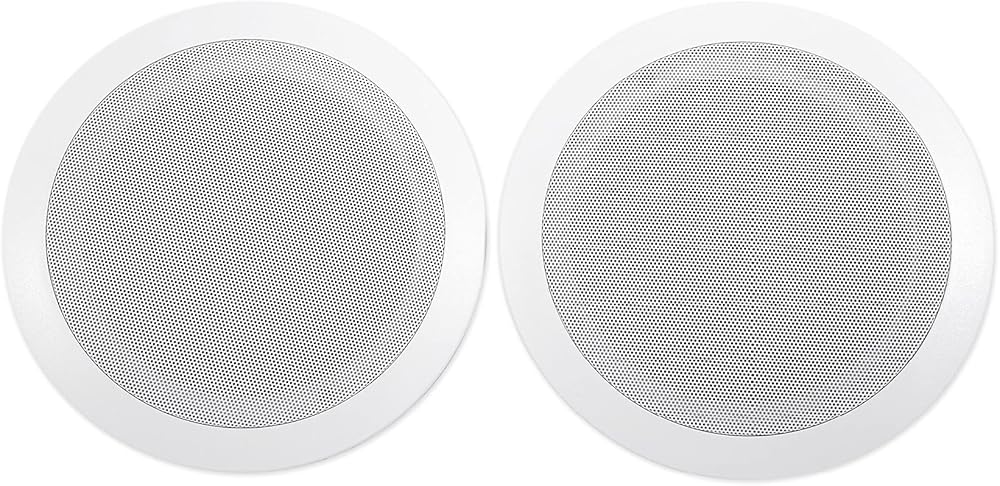
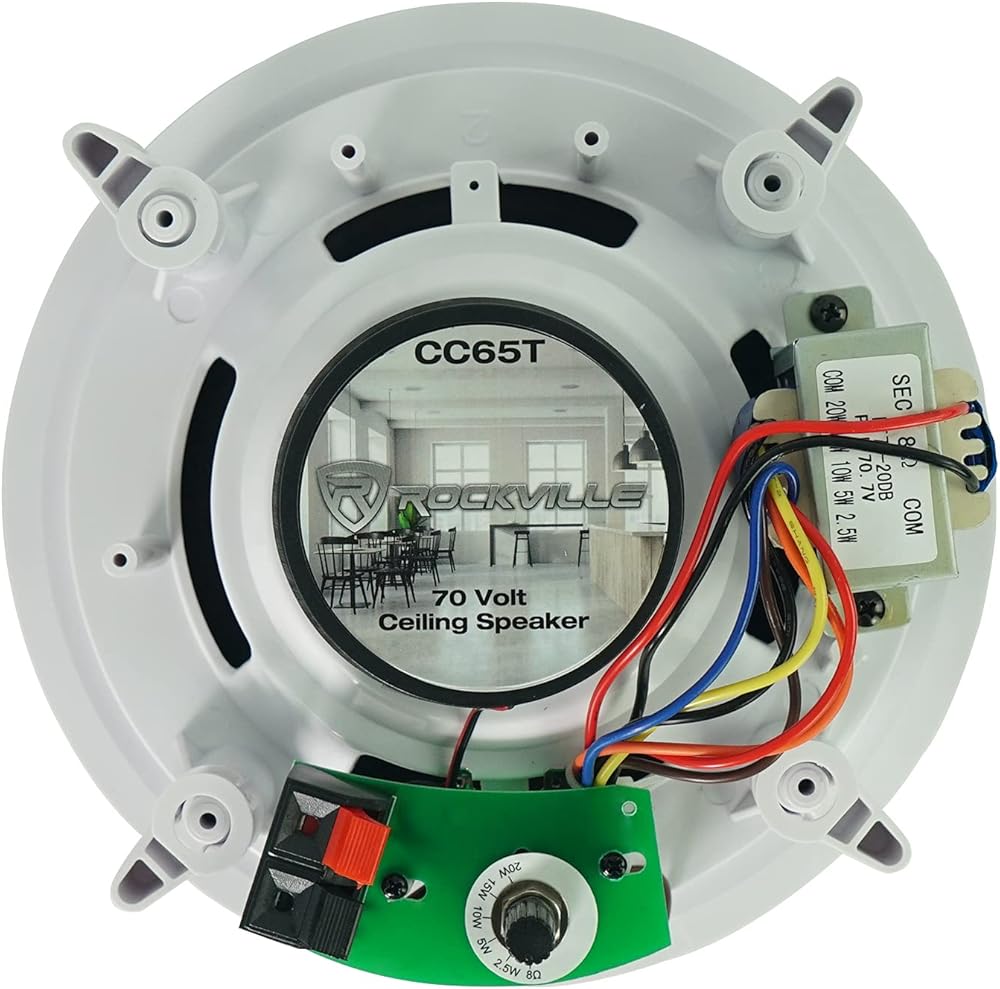
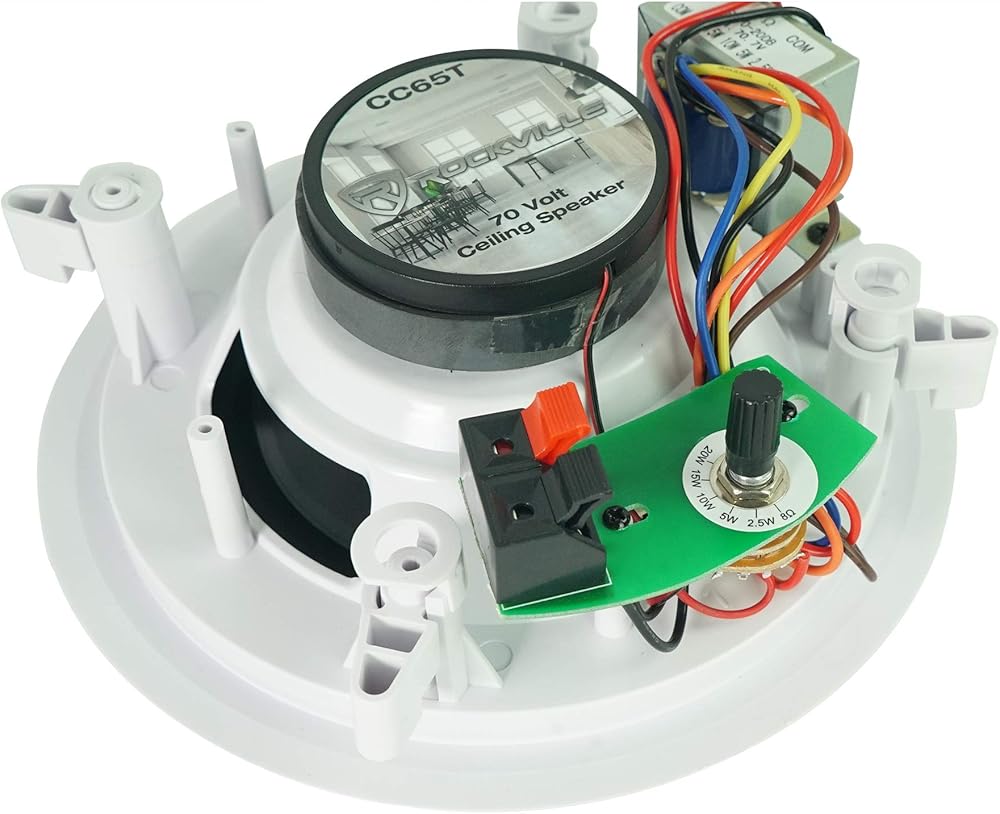
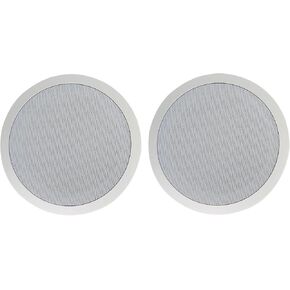
Ceiling Speakers Tuned for Clarity: Each CC65T pairs a 6.5" polypropylene woofer with a ½" mylar dome tweeter for musical warmth and intelligible speech. Set room levels via taps at 20-Watts/15-Watts/10-Watts/5-Watts/2.5-Watts; sensitivity is 89 dB with a 60 Hz–20 kHz response for efficient, even coverage. Paintable, low-profile grilles blend into décor, while swivel tweeters and spring terminals speed neat, reliable installations.
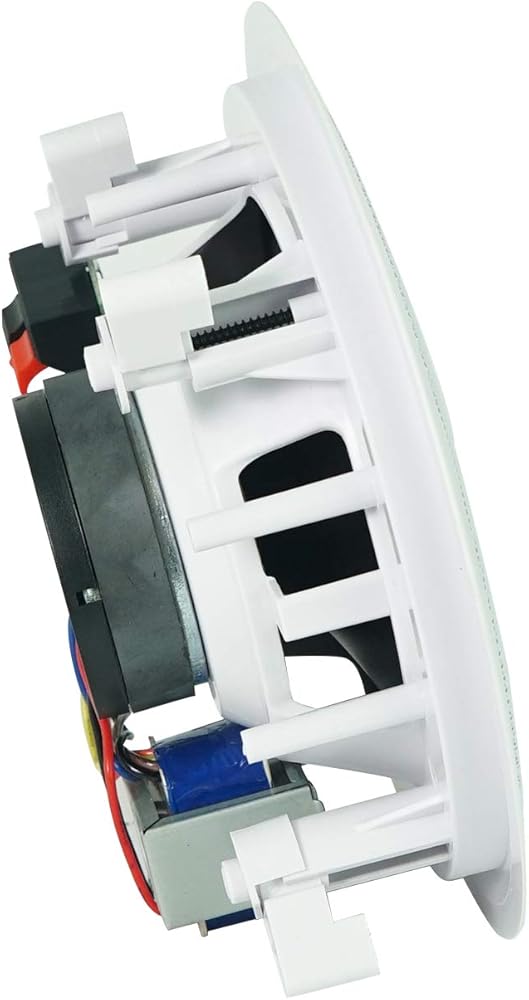
Fast, Scalable Installation: Detachable euro-block terminals on the RCS180-6 make landing speaker runs quick-even in tight racks. In the ceiling, a 7.6" cut-out and 2.91" mounting depth fit common tiles and shallow spaces. 70V wiring stays simple (positives to the 70V bus, negatives to common), so expanding from 10 to more speakers later is straightforward without re-engineering impedance or adding new amplifier channels.

 Rockville Wet-D4 White Dual 4" Indoor/Outdoor Commercial/Restaurant 70V Speaker
KWD 31
Rockville Wet-D4 White Dual 4" Indoor/Outdoor Commercial/Restaurant 70V Speaker
KWD 31
 Rockville 70V 5.25" IPX55 Commercial Indoor/Outdoor Wall Speaker - Black (WET-5B)
KWD 27
Rockville 70V 5.25" IPX55 Commercial Indoor/Outdoor Wall Speaker - Black (WET-5B)
KWD 27
 Rockville 2 WA6570 6.5" 70V Commercial/Restaurant in-Wall Speakers 40W/20W/10W/5
KWD 41
Rockville 2 WA6570 6.5" 70V Commercial/Restaurant in-Wall Speakers 40W/20W/10W/5
KWD 41
 -45%
Rockville 2 CC80T White 8" Commercial 70v Ceiling Speakers for Restaurant/Bar
KWD 17
-45%
Rockville 2 CC80T White 8" Commercial 70v Ceiling Speakers for Restaurant/Bar
KWD 17