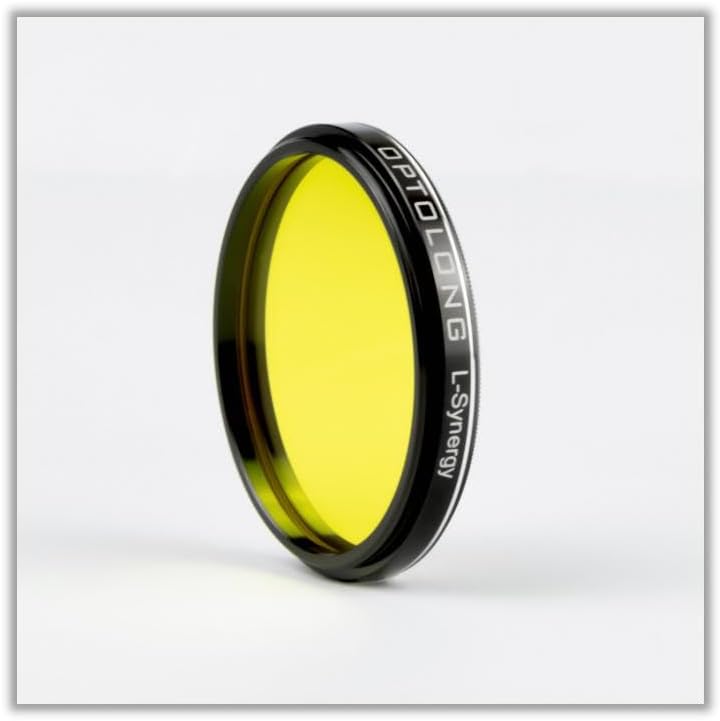
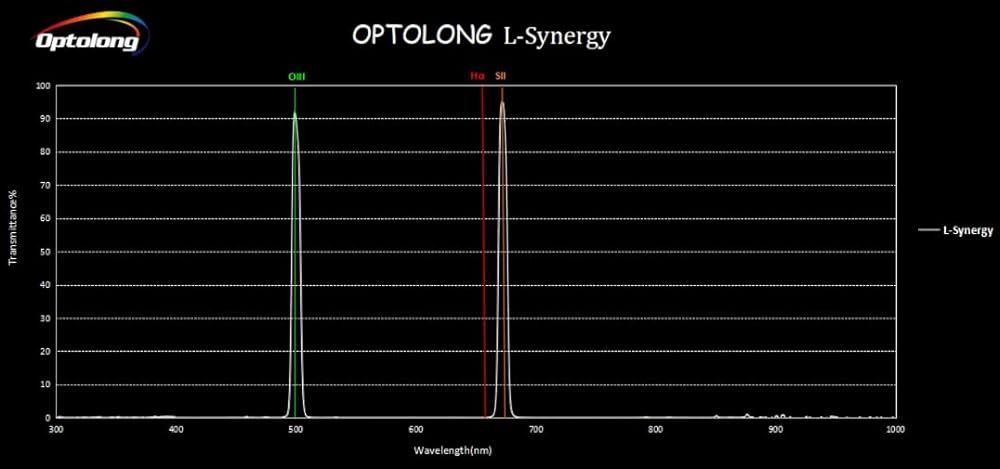
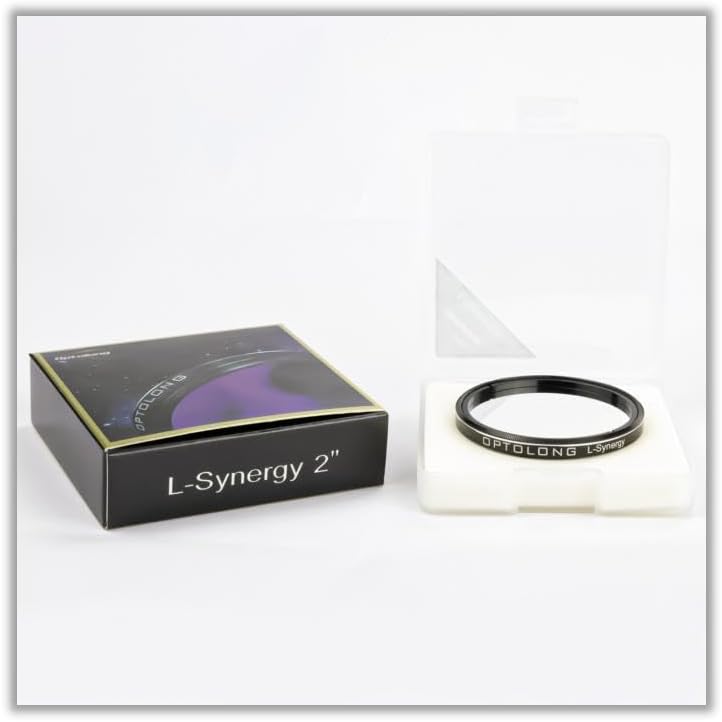
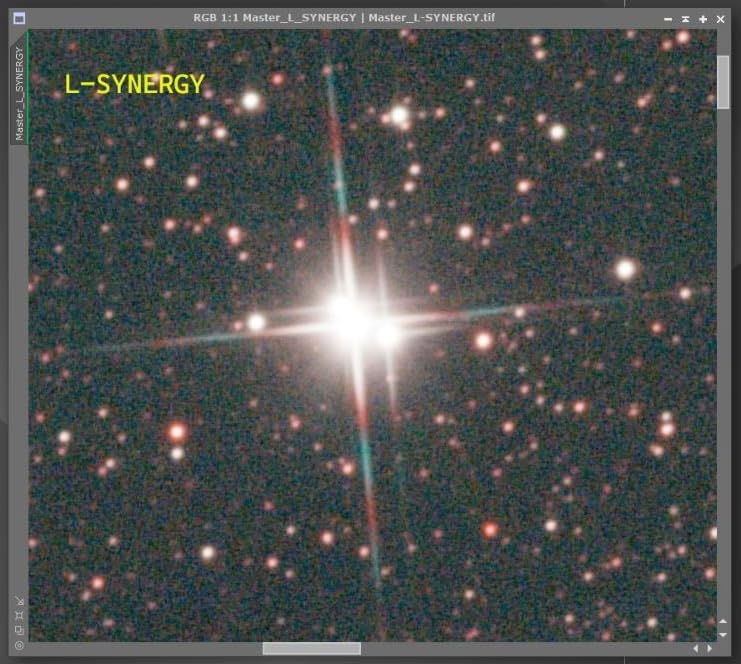
L-Synergy's advantage lies in its selective transmission of only the nebula emission lines OIII (500.7nm) and SII (672.4nm), while blocking all other light-polluting emission lines. This ensures that only the signals from oxygen and sulfur elements are captured during imaging, resulting in a darker sky background and significantly enhanced contrast and signal-to-noise ratio (SNR) between nebulae. Even in heavily light-polluted areas, this filter selectively transmits nebula emission lines while filtering out light pollution, ultimately eliminating its impact on astrophotography
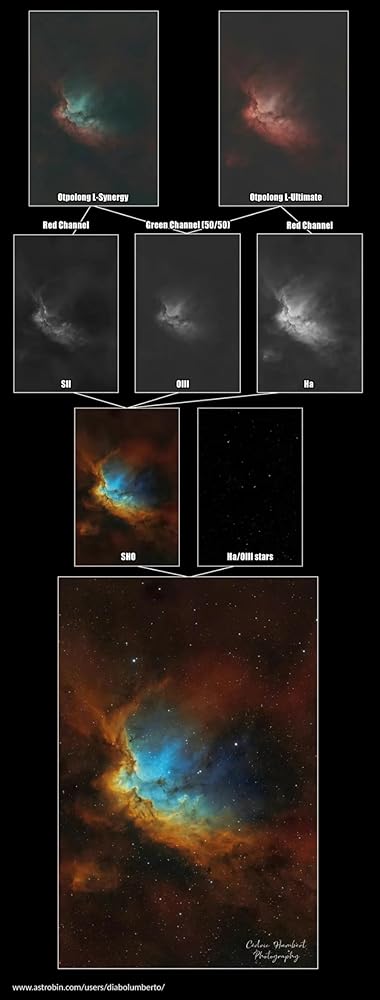
The core innovation of L-Synergy filters lies in the precise combination of traditional dual-narrowband (Ha & OIII) technology—specifically tailored for color camera users. By adopting a dual-filter setup of "Ha & OIII + SII & OIII",(Of course, you need to have another Ha & OIII double narrow-band filter.), it overcomes the inherent limitations of color cameras in narrowband astrophotography. With L-Synergy, users can achieve Hubble Palette-style deep-sky images comparable to those captured by monochrome SHO (SII/Ha/OIII) systems—without switching to a monochrome camera or purchasing additional SHO filters.
If you have another piece of Ha & OIII double narrow-band filter like OPTOLONG's L-extreme.This solution delivers high-quality results with minimal investment, making professional-level narrowband imaging accessible to all.
Why choose OPTOLONG? Because of the precise and precise target wavelength, the stable high transmittance of the target wavelength, the precise plane optical glass, and the persistence of astronomical filters for decades. Thank you for your support!
وصف
L-Synergy is a dual 7nm narrowband filter ( M48*0.75mm thread ) compatible with DSLR cameras, color CMOS sensors, and CCD cameras, supporting telescope systems with F-ratio of F3.3 or above (slower system). Its key advantage lies in enabling astrophotography amateurs to capture exceptionally detailed emission nebulae even in light-polluted environments. After years of technical refinement, it has been optimized to minimize bright star halos while isolating all emission lines except SII and OIII, achieving maximum effective transmission.

 الكويت