- التسوق ، اصبح سهلا.
- /
- احصل على التطبيق!
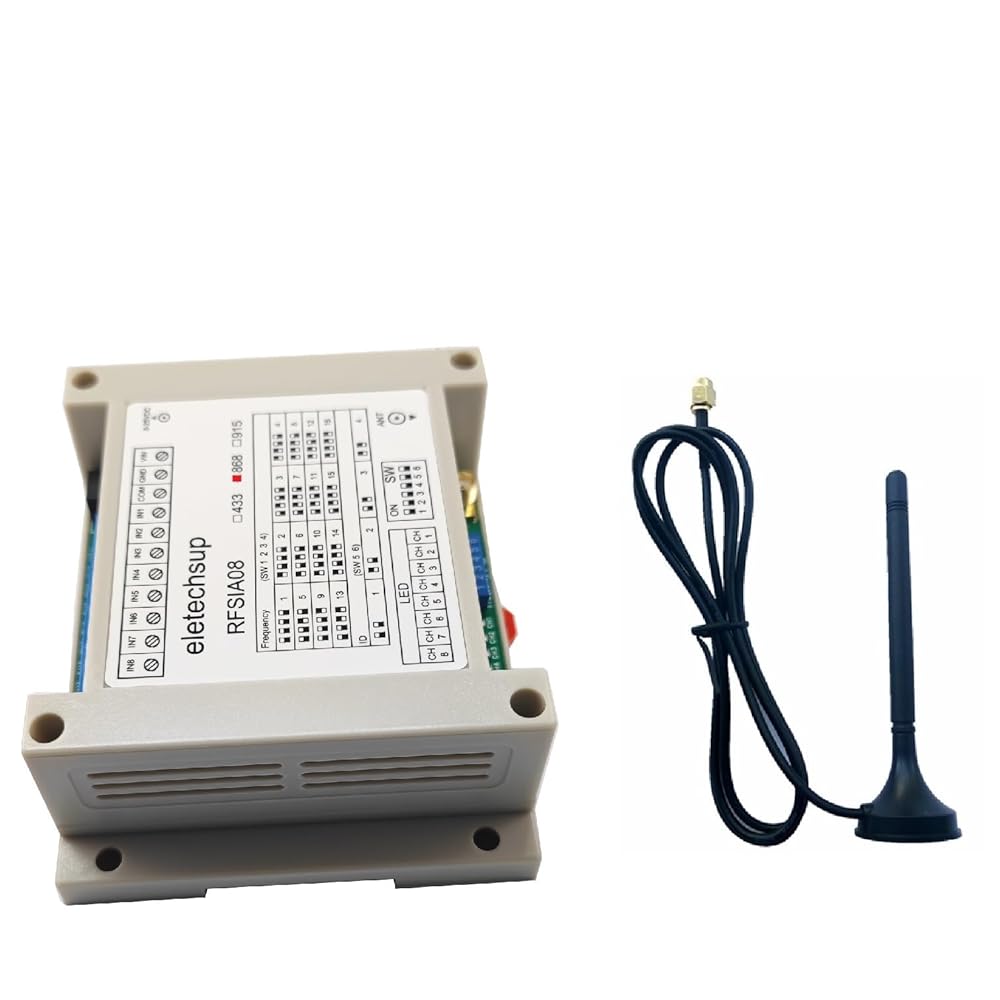
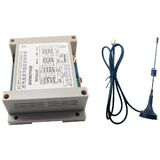
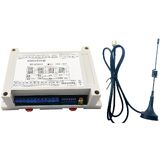
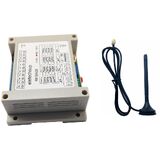
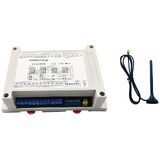
RFSIA08 RFSOB08 is an 8-channel bidirectional remote control switch with feedback based on LORA, no configuration required, as long as the transceiver ''Frequency and ID'' settings are consistent, it can be controlled. With feedback function, the LED indicator on the transmitter will indicate the switch status of the receiver.
Transceiver feature:
Three frequency versions: 433M 868M 915M
Based on Low Power LoRa Transceiver LLCC68
Transmitting power 22dBm
Receiving sensitivity -123dBm
Transmission distance up to 2000 meters in open area
Bidirectional Remote Control Switch with Feedback Indication
All Parameter setting by dip switch(Frequency/ID/Mode)
Four working modes:Non-locking Self-locking Inter-locking Delay 5 seconds
For detailed instructions, please contact me after purchase.
RFSIA08 Transmitter :
1 Working voltage: DC 12V (8-25V)
2 Working current: 13-28MA
3 Input channels: 8 channels, low pulse trigger (NPN)
4 Transmit power: 22dBm
5 Carrier frequency: 434~449MHz/868~883MHz /915~930MHz
6 Transmission distance in open area: 2000 meter
7 Size: 115x90x40mm
8 Weight: 118g(No antenna),148g(With 433M antenna),143g(With 868M/915M antenna)
RFSOB08 Receiver:
1 Working voltage: DC 12V
2 Working current: 14-250MA
3 Output channels: 8 channels 10A relay output(NO COM NC 3 contacts)
4 Carrier frequency: 434~449MHz/868~883MHz /915~930MHz
6 Transmission distance in open area: 2000 meter
7 Working mode: Non-locking Self-locking Inter-locking Delay 5 seconds (can be set by DIP switch)
7 Size: 145x90x40mm
8 Weight: 217g(No antenna),247g(With 433M antenna),242g(With 868M/915M antenna)
9 Maximum load: 10A/250VAC, 10A/125VAC, 10A/30VDC, 10A/28VDC, 10A/12VDC
How to use RFSIA08 RFSOB08:
1 Install antennas on the transceivers
2 Use wires to lead out the COM port of the transmitter (RFSIA08) (can be ignored)
3 Connect the DC 12V power supply to the transceivers
4 Check whether the status of the transceiver's DIP switches is consistent (it is recommended to turn all OFF for the first use)
5 Short the COM and IN1-8 of the transceiver to control the 8 relays of the receiver.
Note:
1 The transmitter and transceiver must be used together and cannot be used separately
2 The frequency and ID of the transmitter and transceiver must be the same to communicate
3 The transmitter and transceiver must use the same frequency, otherwise they cannot communicate.
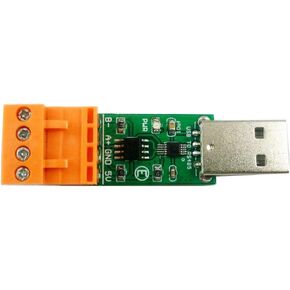 2.4G Multi functional Interface TTL RS232 RS485 TYPE-C USB for Arduiuo NodeMCU ESP8266 ESP32 Modbus RTU (TTL Transceiver)
KWD 4.500
2.4G Multi functional Interface TTL RS232 RS485 TYPE-C USB for Arduiuo NodeMCU ESP8266 ESP32 Modbus RTU (TTL Transceiver)
KWD 4.500
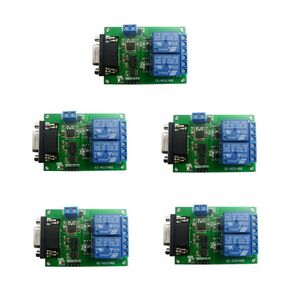 DB9 أنثى/ذكر RS232 UART Switch Board DC 12V 232 وحدة الترحيل لمحرك PLC LED (1PCS DB9 واجهة أنثى)
KWD 5
DB9 أنثى/ذكر RS232 UART Switch Board DC 12V 232 وحدة الترحيل لمحرك PLC LED (1PCS DB9 واجهة أنثى)
KWD 5
 8CH عالي الطاقة شومان مولد الموجة-0.01Hz ~ 100 كيلو هرتز الوضع ثنائي الوضع/النبضات الموجة الرائدة البيولوجية لشفاء طاقة التأمل
KWD 97.500
8CH عالي الطاقة شومان مولد الموجة-0.01Hz ~ 100 كيلو هرتز الوضع ثنائي الوضع/النبضات الموجة الرائدة البيولوجية لشفاء طاقة التأمل
KWD 97.500
 حالة وعرة شومان مولد الموجة 7.83 هرتز مولد النبض منخفض التردد الدقيق رنان شومان الرنان يساعد على النوم
KWD 6.500
حالة وعرة شومان مولد الموجة 7.83 هرتز مولد النبض منخفض التردد الدقيق رنان شومان الرنان يساعد على النوم
KWD 6.500

 الكويت