- التسوق ، اصبح سهلا.
- /
- احصل على التطبيق!
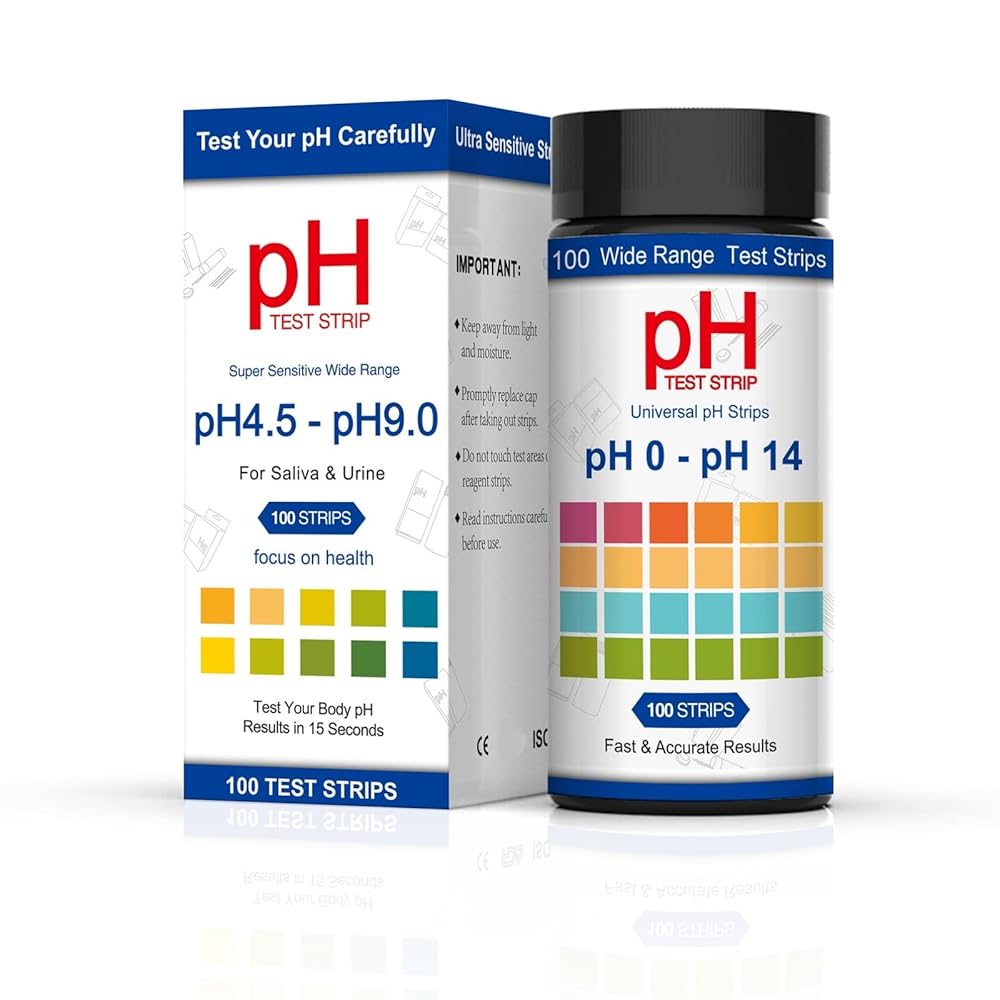
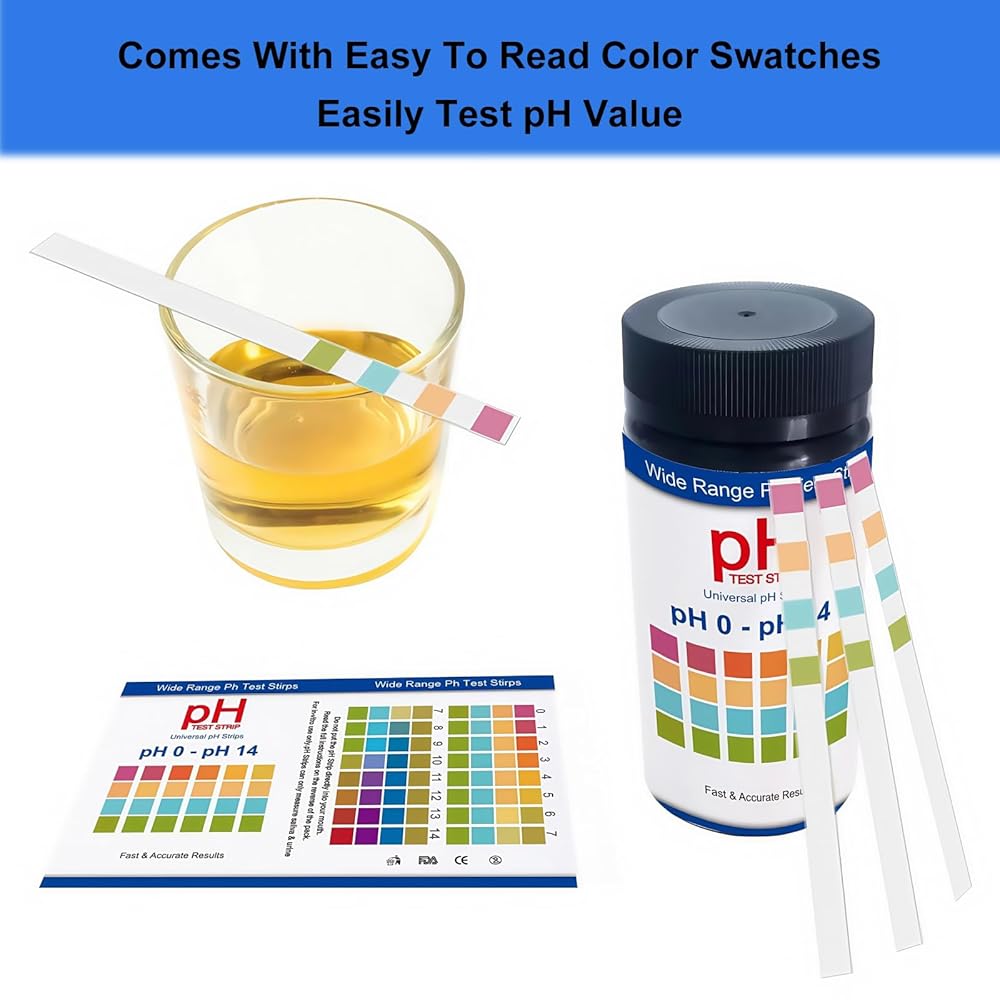
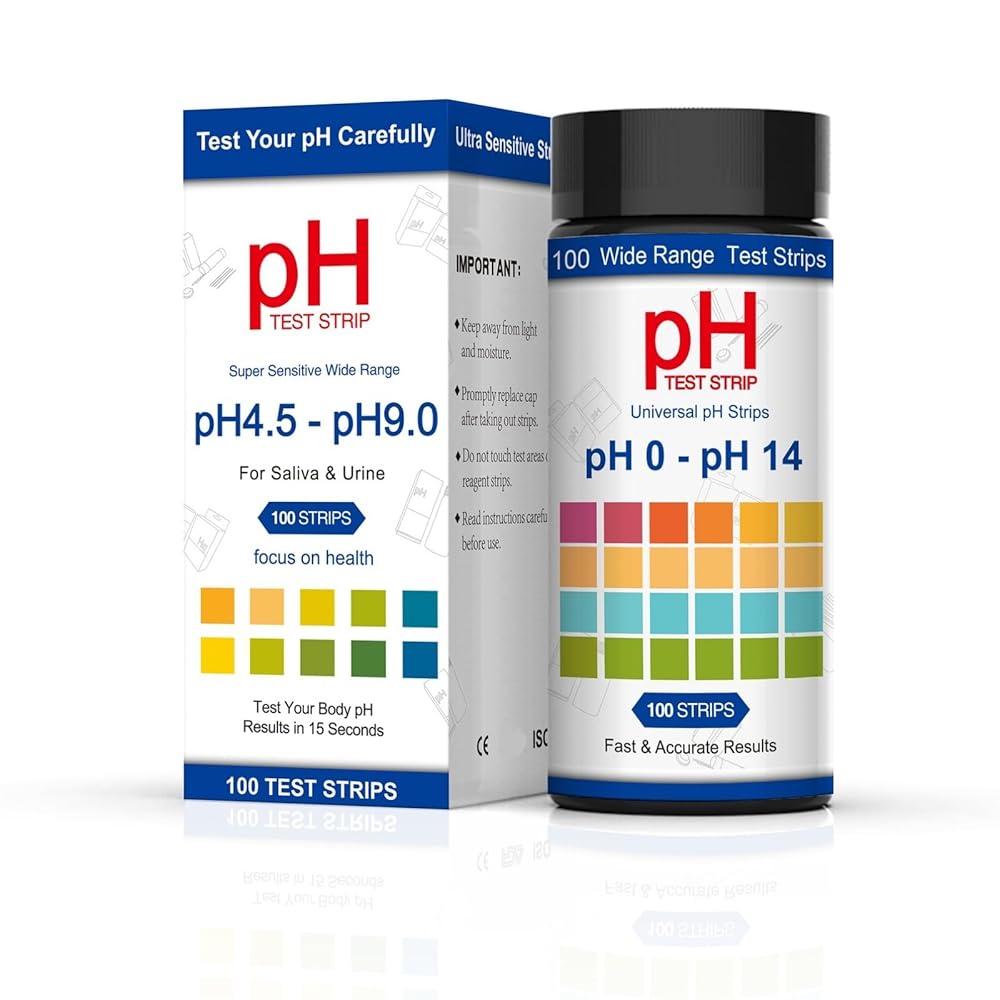
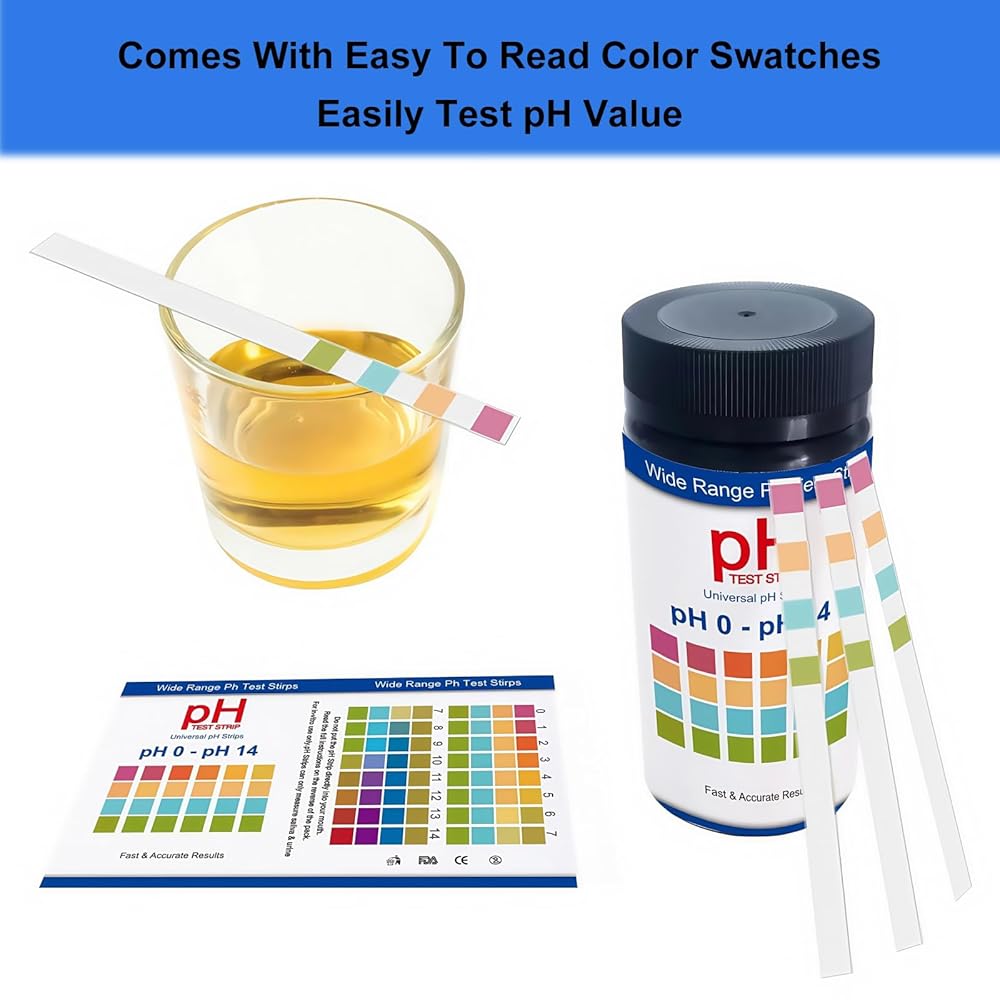
Scope of Application: Suitable for urine and saliva testing, water quality testing.
Characteristic: It has the ability to resist VC interference.
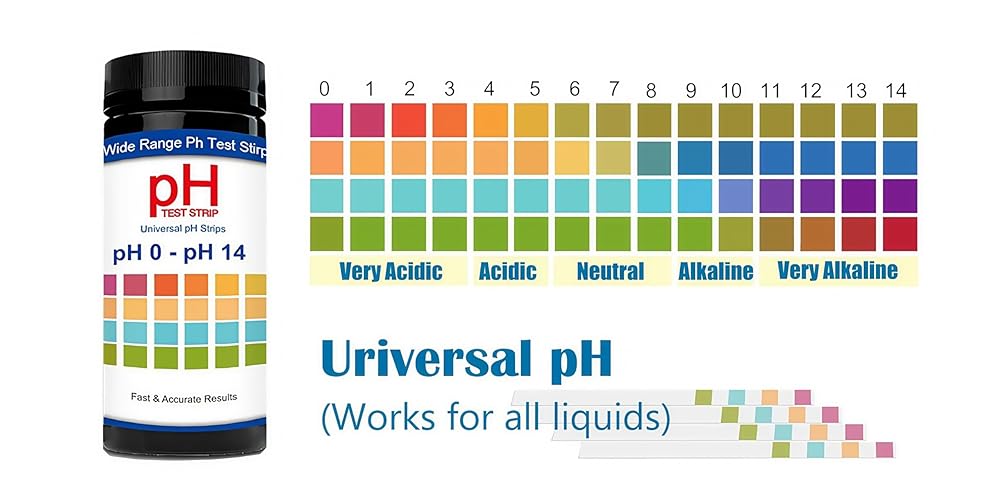
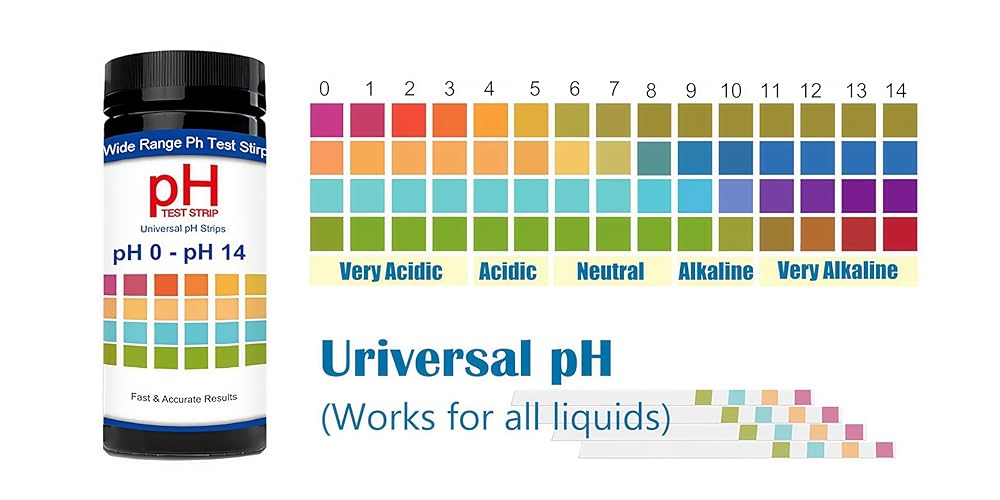
How to Compare Acidity and Alkalinity
1. See what color the top square ends up being closest to, and then see what color the bottom square ends up being closest to.
2. After you have those two different numbers, slide over on the color chart to whatever number is exactly halfway between those two, and that is your final pH answer.
3. You will often need to "take an average" of the two resulting colors by meeting halfway between them in order to arrive at your pH test result.
4. You may see a color that doesn't seem to match any of the pH color choices on the chart. What you have to do is "see into the color" to try to tell how much orange is in the yellow shades, or how much blue is in the green shades, or how much green is in the middle shades.
Storage Conditions and Expiration Date
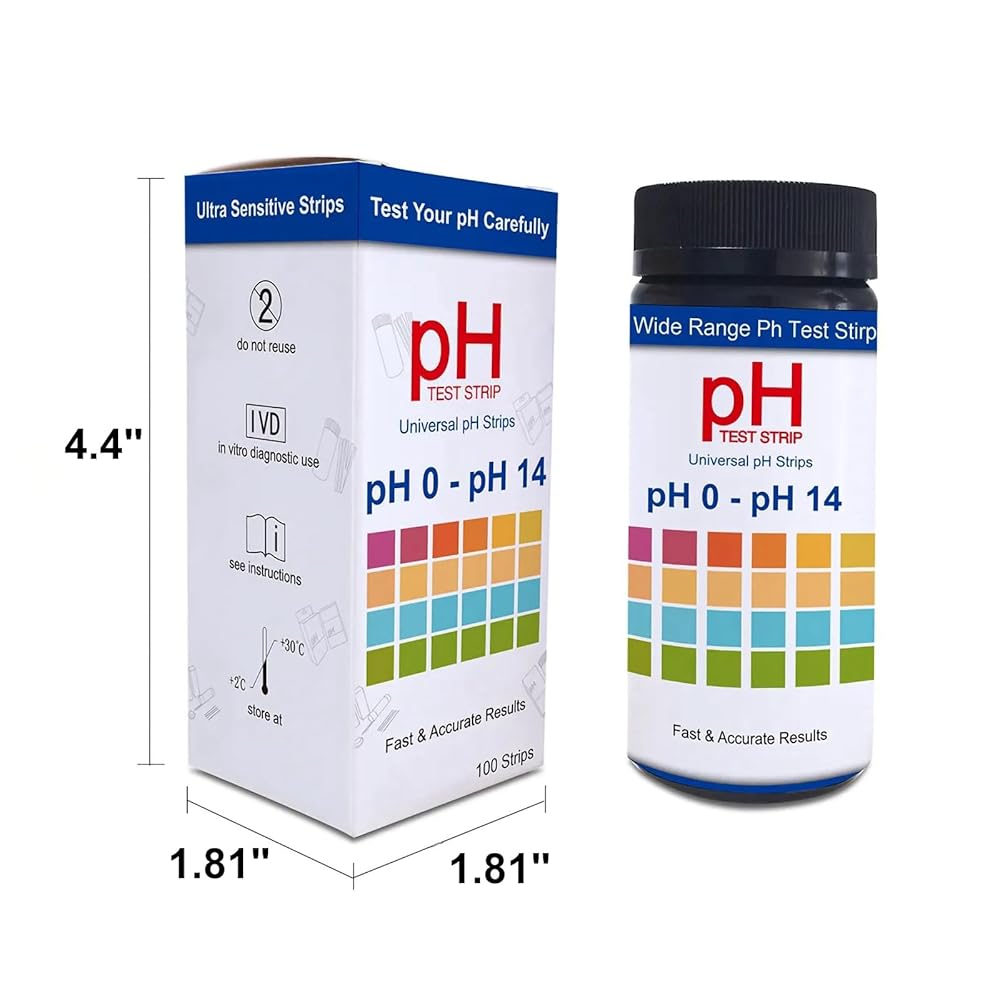
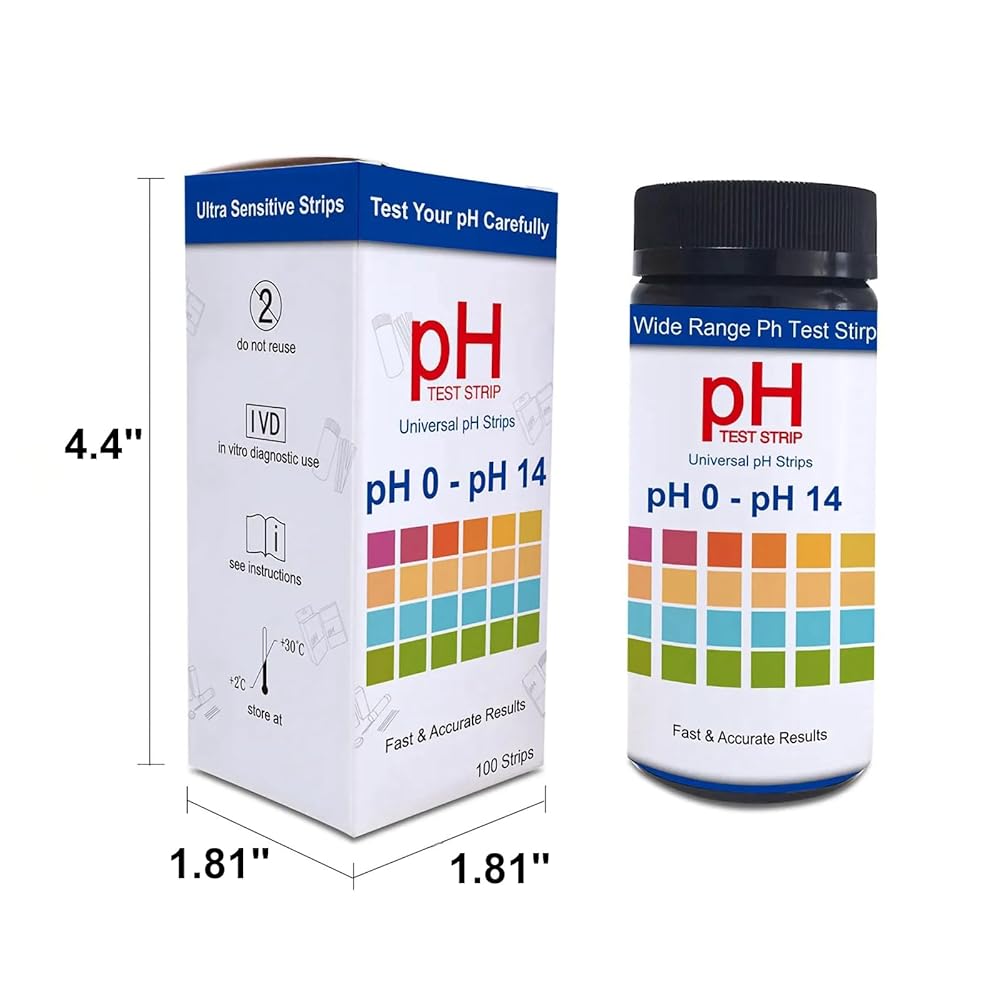
1. Storage conditions: Store in a dry place at 2 ℃ to 30 ℃, away from light (preferably at 2 ℃ to 8 ℃), with a shelf life of 24 months.
2. Expiration date of bottle opening: After opening, the lid of the bottle should be sealed and stored in a dry place at 2 ℃ to 30 ℃ away from light. The expiration date is 6 months.
Note
1. The optimal control of colorimetric time is 15s, as too long or too short a time will affect the reading.
2. Do not touch the reaction end of the test strip when removing it to avoid contaminating it and affecting the test results.
3. After taking out the required number of test strips, seal and store the remaining test strips in the dark.
4. Try to keep the liquid to be tested colorless or light-colored, the color of the liquid is too dark before the test, can be adsorbed with activated carbon to do dehydration. If the liquid to be tested is turbid, let it sit for a while, and then take the clear part to do the test after precipitation.
 5 أجهزة كمبيوتر 4 بوصة قرص غير قابل للتدمير للمواصلة ، قرص قطع طاحونة الزاوية ، قرص قطع متعدد الوظائف مركب ، ينطبق على شفرة القطع متعددة الوظائف لمختلف المواد ، الأخضر
KWD 4.500
5 أجهزة كمبيوتر 4 بوصة قرص غير قابل للتدمير للمواصلة ، قرص قطع طاحونة الزاوية ، قرص قطع متعدد الوظائف مركب ، ينطبق على شفرة القطع متعددة الوظائف لمختلف المواد ، الأخضر
KWD 4.500
 22 Gauge 1.5 بوصة إبرة ملفوفة بشكل فردي ، 100 PCS Luer Lock Needles الإكسسوارات الصناعية (22G 1.5 بوصة)
KWD 3
22 Gauge 1.5 بوصة إبرة ملفوفة بشكل فردي ، 100 PCS Luer Lock Needles الإكسسوارات الصناعية (22G 1.5 بوصة)
KWD 3
 Grommet المكتبي 2 بوصة ، 2 PCS أبيض سطح المكتب غطاء ثقب السلك جروميت للكابلات مع مناشير الثقب ، لكابلات الأسلاك من خلال كونترتوب ، الحل المثالي لكابل الجدول المنزلي والمكتب
KWD 3.500
Grommet المكتبي 2 بوصة ، 2 PCS أبيض سطح المكتب غطاء ثقب السلك جروميت للكابلات مع مناشير الثقب ، لكابلات الأسلاك من خلال كونترتوب ، الحل المثالي لكابل الجدول المنزلي والمكتب
KWD 3.500
 2 PCS 7/8 بوصة TCT حفرة منشار للمعادن الصلبة ، والكربيد التونغستن الثقيلة أداة قطع ثقب مع مع معادن الدليل المحملة ، للمعادن ، الفولاذ المقاوم للصدأ ، الحديد ، الخشب ، البلاستيك
KWD 5
2 PCS 7/8 بوصة TCT حفرة منشار للمعادن الصلبة ، والكربيد التونغستن الثقيلة أداة قطع ثقب مع مع معادن الدليل المحملة ، للمعادن ، الفولاذ المقاوم للصدأ ، الحديد ، الخشب ، البلاستيك
KWD 5

 الكويت