- التسوق ، اصبح سهلا.
- /
- احصل على التطبيق!
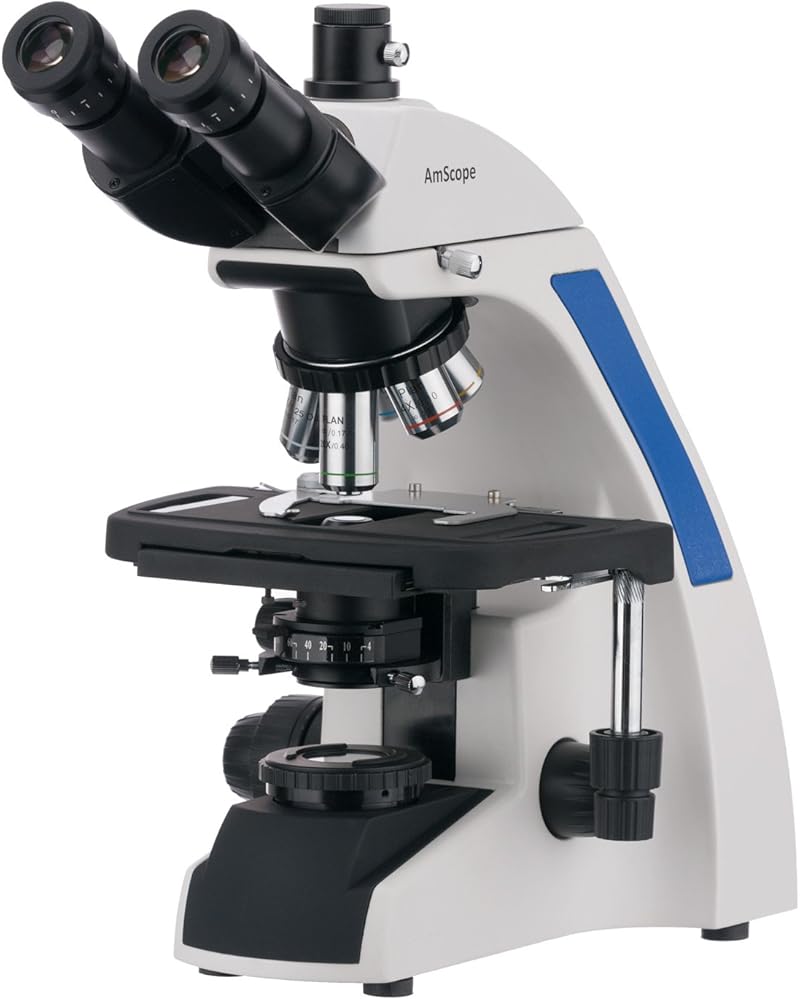
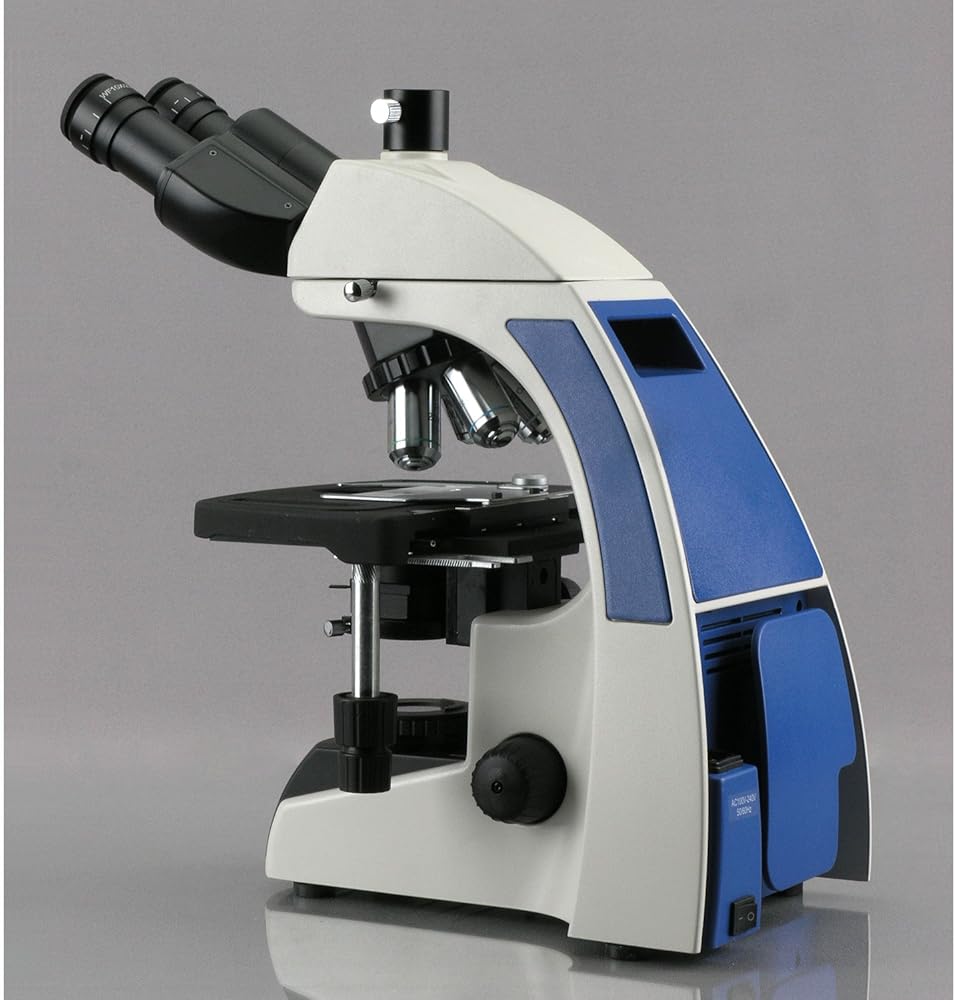
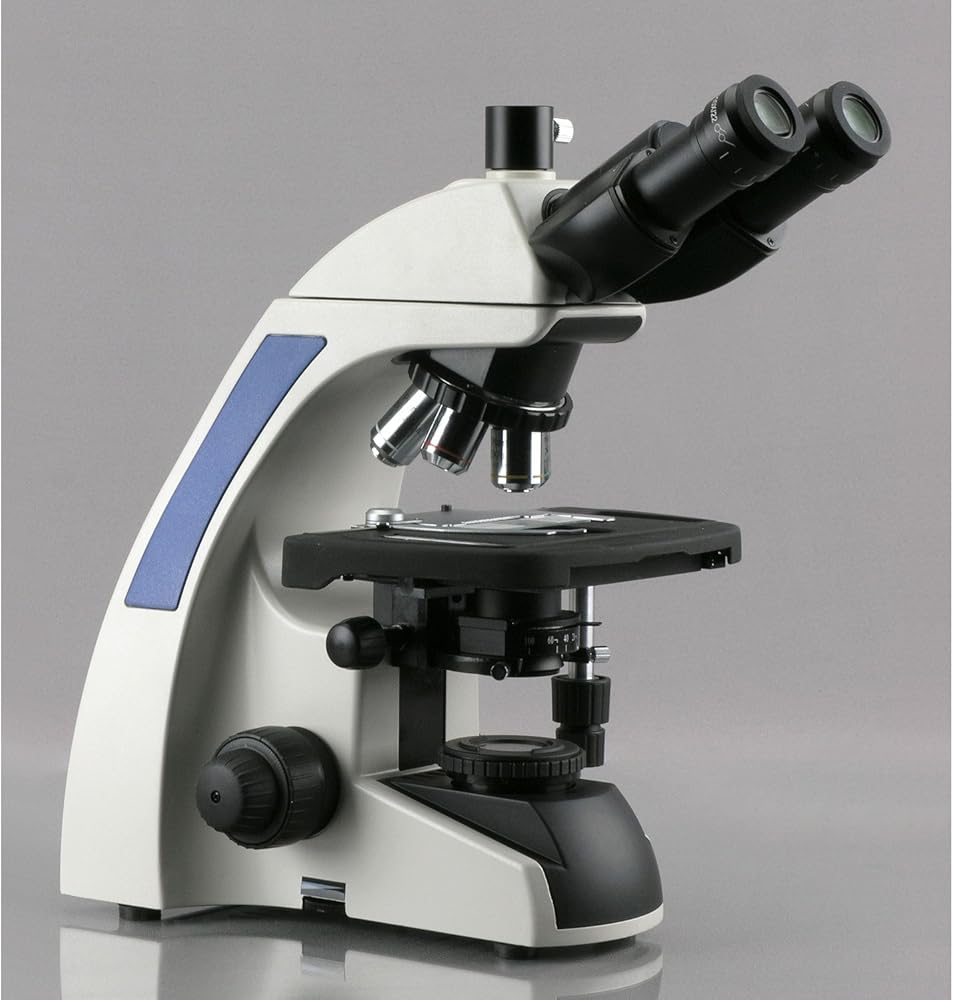
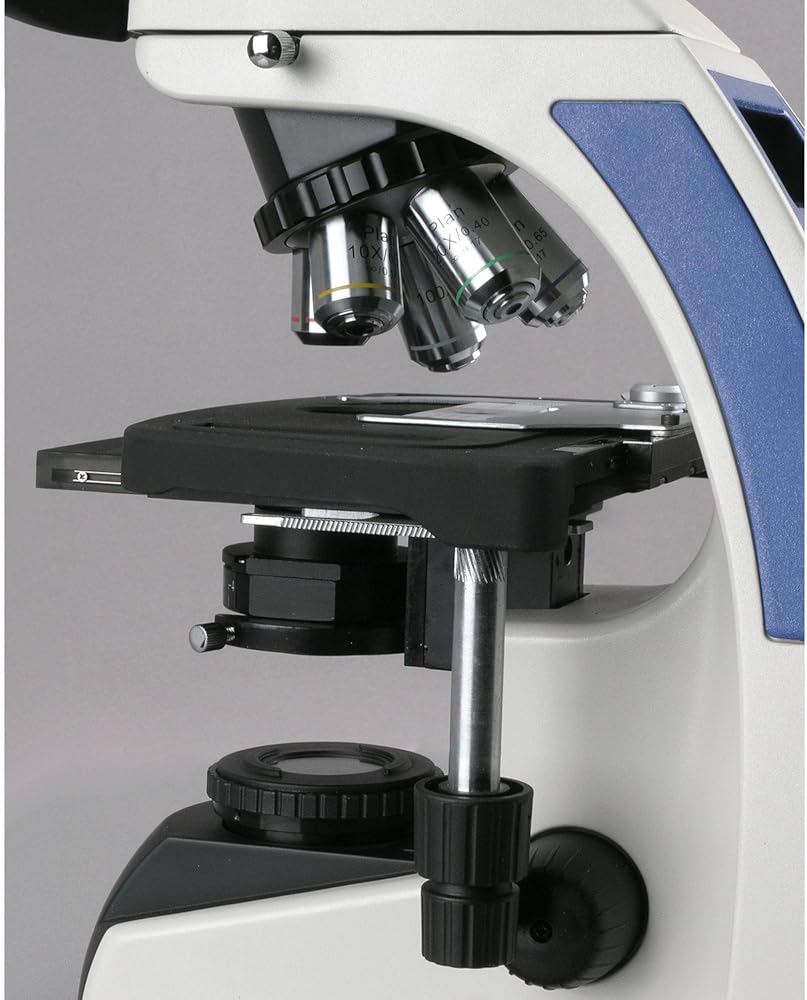
The T720Q is an economical microscope designed for professional biological applications. Its infinity-corrected optical system ensures reliable, low-distortion magnification, with plan-achromatic corrections for accurate colors, excellent field flatness and edge-to-edge sharpness. A quintuple lens-turret is used, providing five levels of magnification. The Koehler-design LED illumination system provides bright, evenly-distributed light for maximum contrast and definition. This model is a popular choice for veterinarians and university laboratories. The trinocular head accommodates simultaneous viewing through both eyepieces and the top-mounted photo port. The binocular viewing tubes use Siedentopf adjustment to easily fit any user. Focusable eyepieces are used to compensate for users with astigmatism or asymmetrical sight. For mounting a camera, the photo port provides a 23mm tube and a C-mount adapter for use with most microscopy imaging systems available. The large 2-layer mechanical stage provides smooth and precise movement for examination of specimen slides. The rackless design provides a wide range of movement without the obtrusive, exposed teeth of conventional mechanical stages. The stage's low-position controls are conveniently placed near the coaxial focus knobs for a streamlined workflow. Examining specimen slides is intuitive and precise for users at any skill level. Built on Koehler illumination principals, the sub-stage lighting provides evenly-distributed light for optimal contrast. The LED light-source ensures cool, energy-efficient illumination with low heat for live specimens. The bright light-source is daylight-balanced to produce natural colors for imaging. The Abbe light condenser has a high 1.25 numerical aperture for oil-immersion, and an iris diaphragm to optimize contrast and depth-of-field. The condenser holder uses rack-and-pinion height adjustment for precision control, and is centerable for proper alignment. The illuminator's field lens provides an iris diaphragm to control light-spread, optimizing contrast and definition in specimen features.
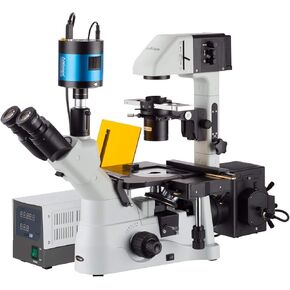 AmScope 40X-1500X تباين الطور المقلوب + مجهر مضان مع كاميرا منخفضة الإضاءة للغاية بدقة 6 ميجابكسل
KWD 4,903
AmScope 40X-1500X تباين الطور المقلوب + مجهر مضان مع كاميرا منخفضة الإضاءة للغاية بدقة 6 ميجابكسل
KWD 4,903
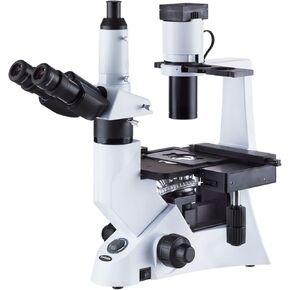 AmScope 40-1000X مجهر بيولوجي مقلوب مصحح الطور متباين الطور مع إضاءة 30 وات
KWD 1,272.500
AmScope 40-1000X مجهر بيولوجي مقلوب مصحح الطور متباين الطور مع إضاءة 30 وات
KWD 1,272.500
 AmScope B390B-DK Darkfield مجهر مركب بيولوجي ثنائي العينين 40X-2000X
KWD 197.500
AmScope B390B-DK Darkfield مجهر مركب بيولوجي ثنائي العينين 40X-2000X
KWD 197.500
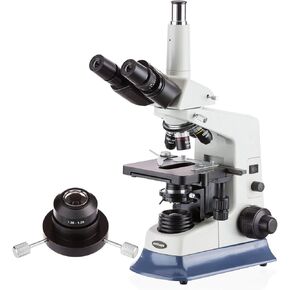 AmScope T590B-DKO 40X-2000X مجهر بيولوجي احترافي Darkfield Brightfield
KWD 419
AmScope T590B-DKO 40X-2000X مجهر بيولوجي احترافي Darkfield Brightfield
KWD 419