- التسوق ، اصبح سهلا.
- /
- احصل على التطبيق!
Specification:
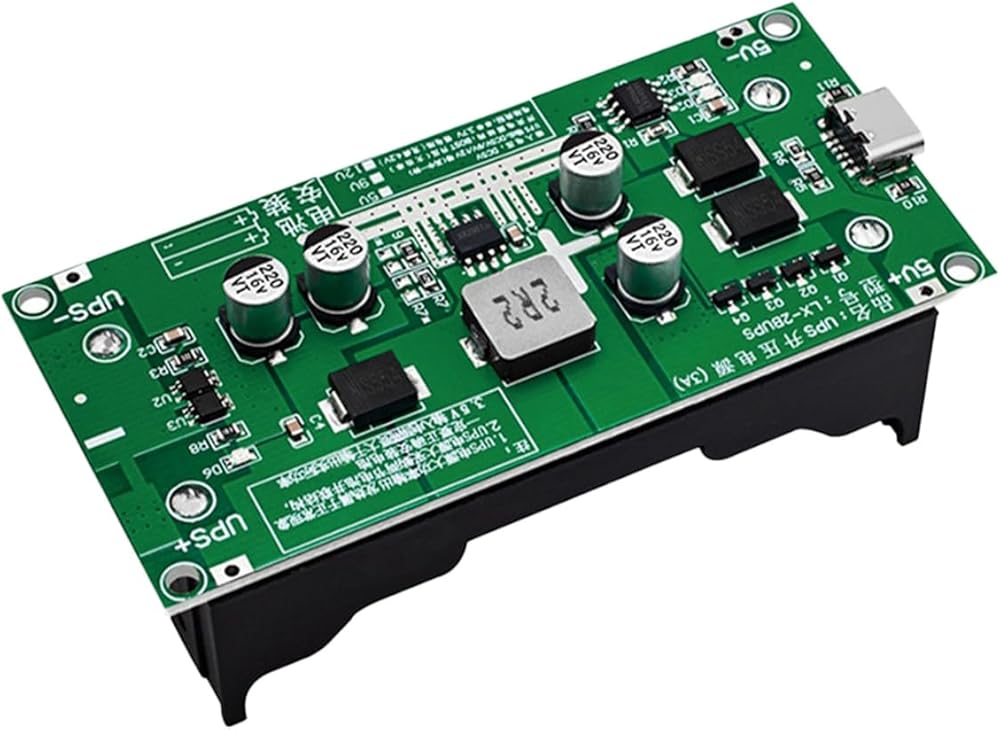
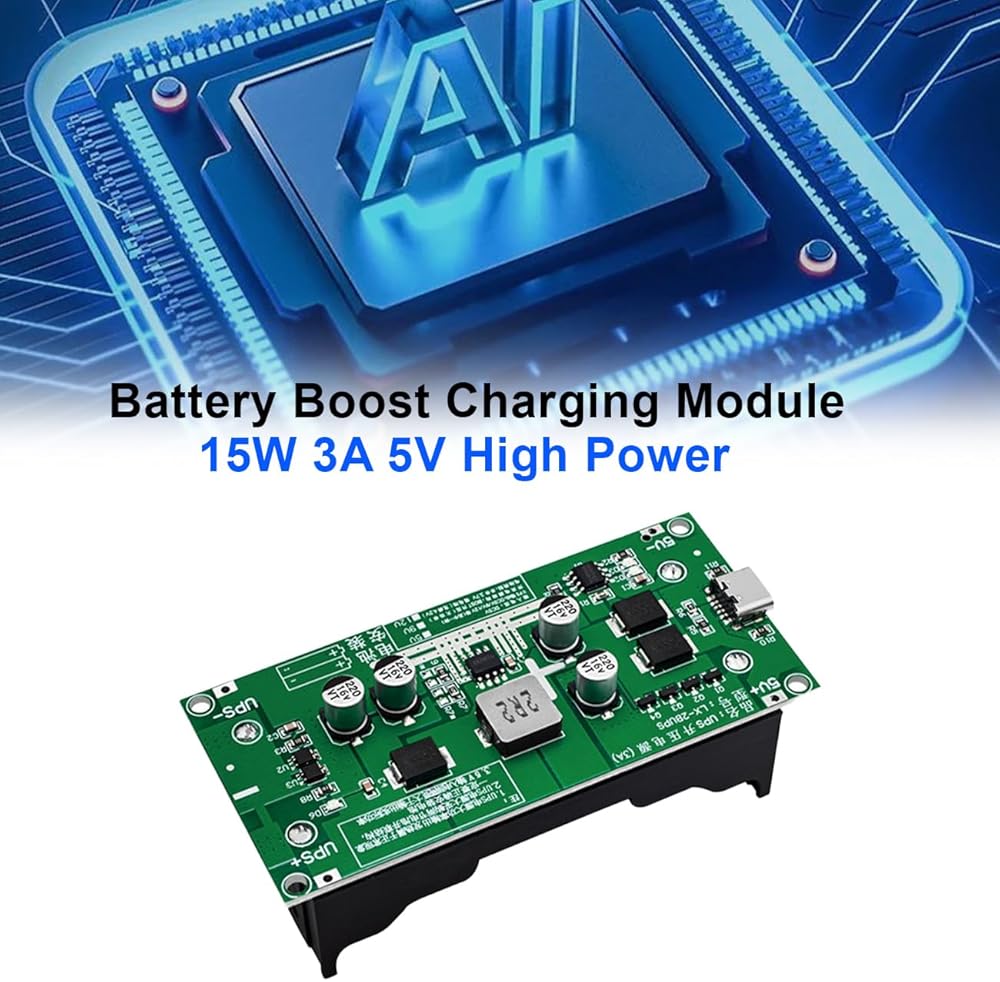
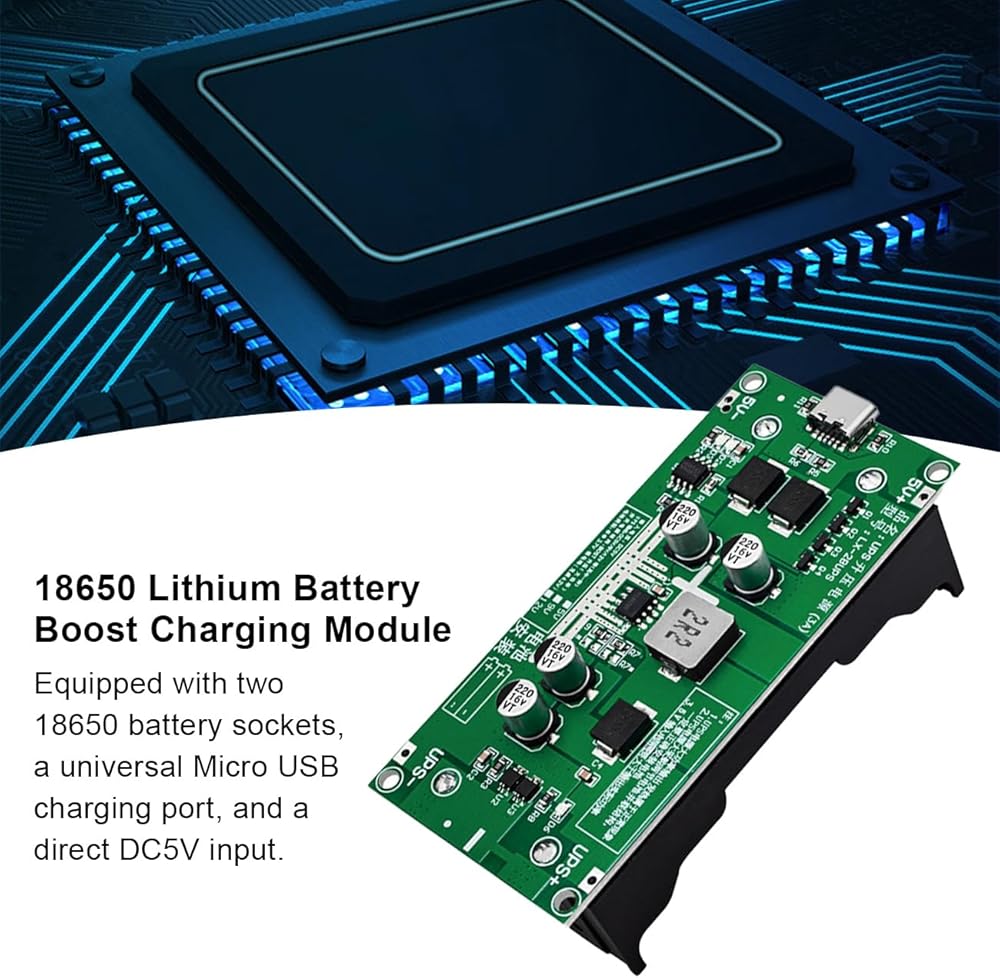
Item Type: Battery Boost Charging Module
Model: 2BUPS
Material: PCB
Switch Power Supply Structure: BOST Boos
Battery Type: 3.7V lithium battery (4.2V fully charged)
Load: Output positive and negative pole connected load, normal load
Package List:
Battery Boost Charging Module*1
Product Description:
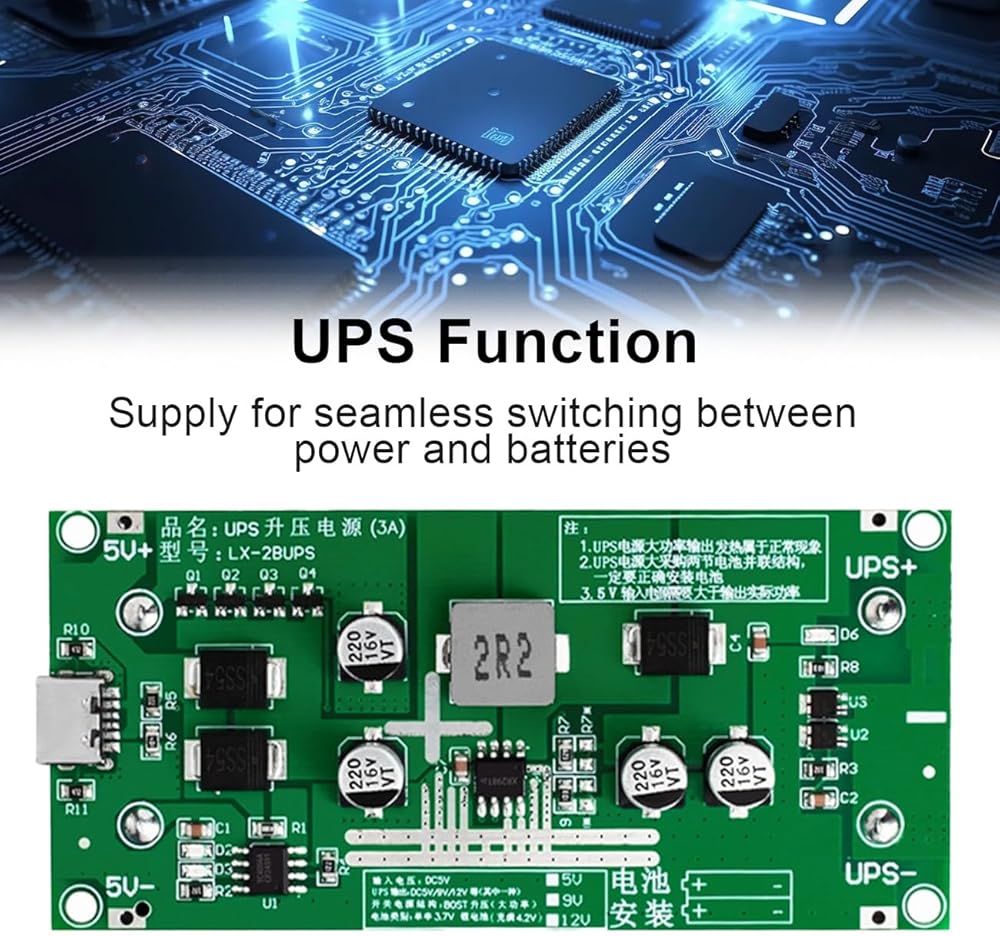
1. This product is designed for uninterrupted operation of devices during power outages. It utilizes external power when electricity is available and automatically switches to battery power seamlessly during outages.
2. When using a USB interface for power, we recommend the Type-C connector. Compared to microUSB, it supports significantly higher current, up to 5A maximum.
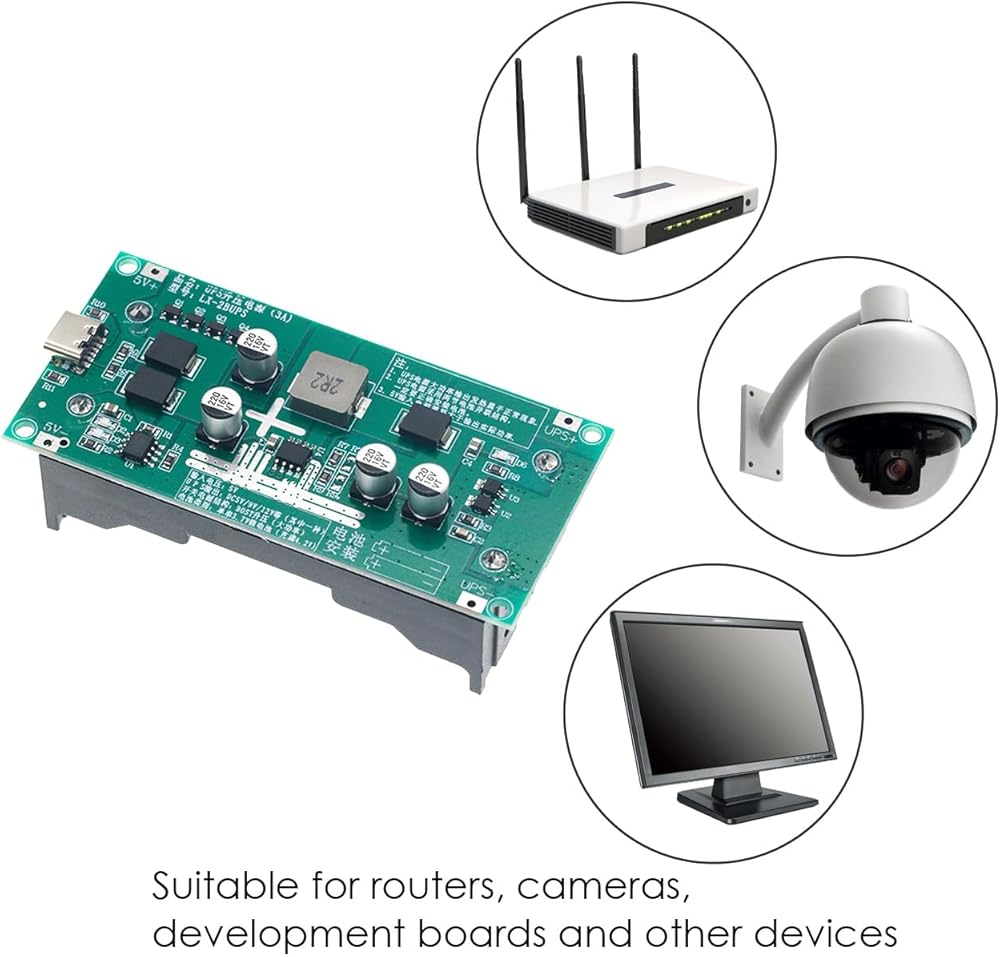
3. Ideal for routers, cameras, development boards, and similar devices, it ensures seamless battery power switching during outages, maintaining connectivity without interruption.
Function Description:
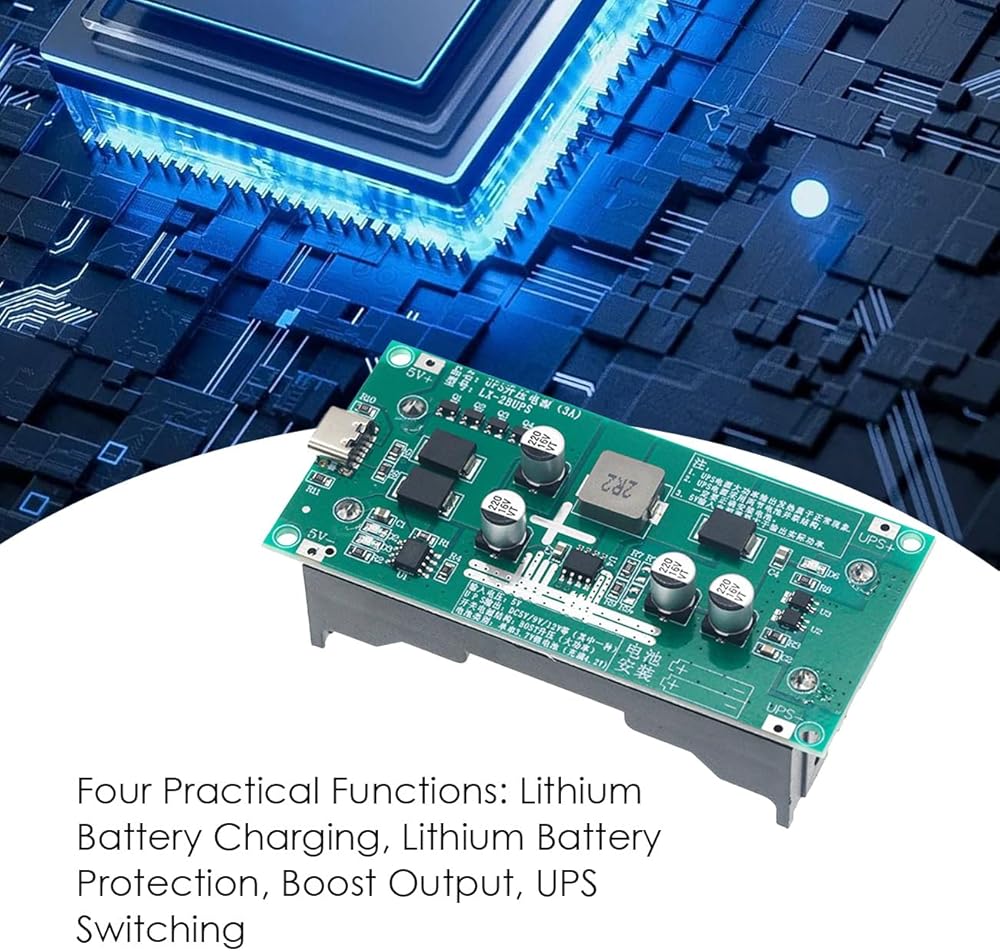
1. UPS Function: When the power supply is active, it directly supplies power to the load via a boost circuit while charging the lithium battery. In the event of a power outage, the battery circuit automatically activates to supply power to the load via the boost circuit.
2. Boost Circuit: Peak power up to 20W, rated power up to 15W, BOST boost circuit, built-in 12A high-current MOSFET, efficiency up to 96%. The module's static power consumption is 25mA. Output voltages can be selected from 5V/9V/12V (for loads under 15W, the recommended outputs are: 5V at 3A, 9V at 1.6A, and 12V at 1.2A).
3. Lithium battery protection: overcharge, over-discharge, over-temperature, and overcurrent protection (if a short circuit occurs due to incorrect operation, the module enters protection mode and stops outputting power; connecting a 5V charger automatically activates and restores output)
Usage Instructions:
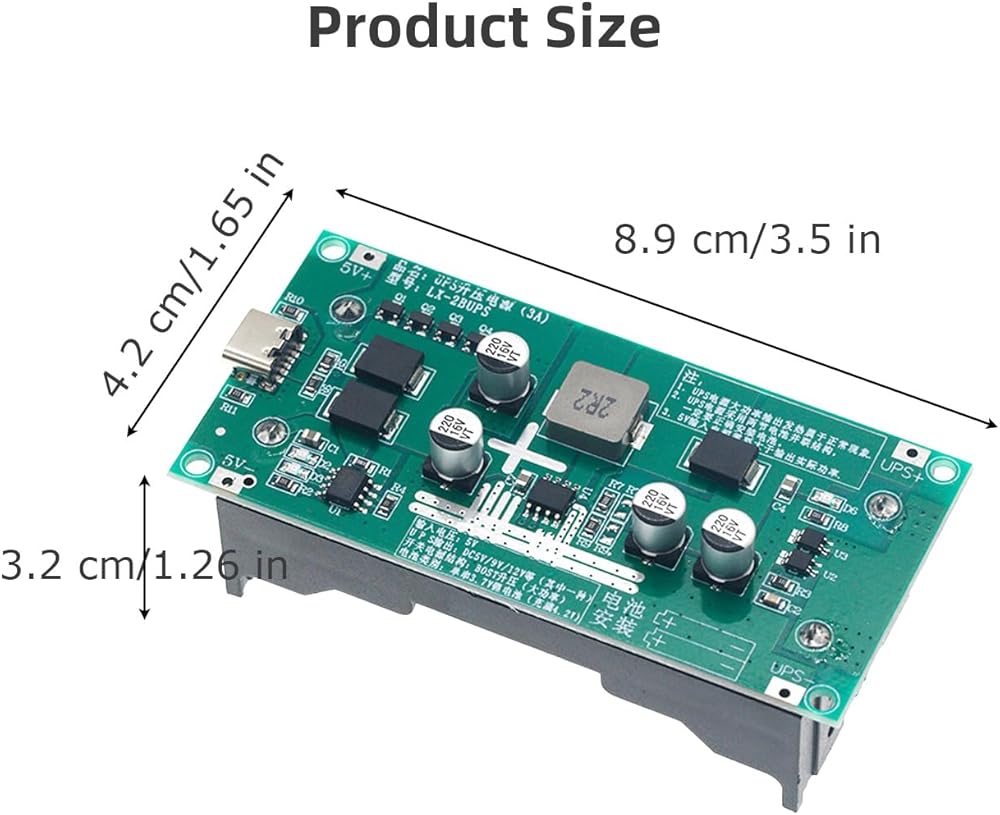
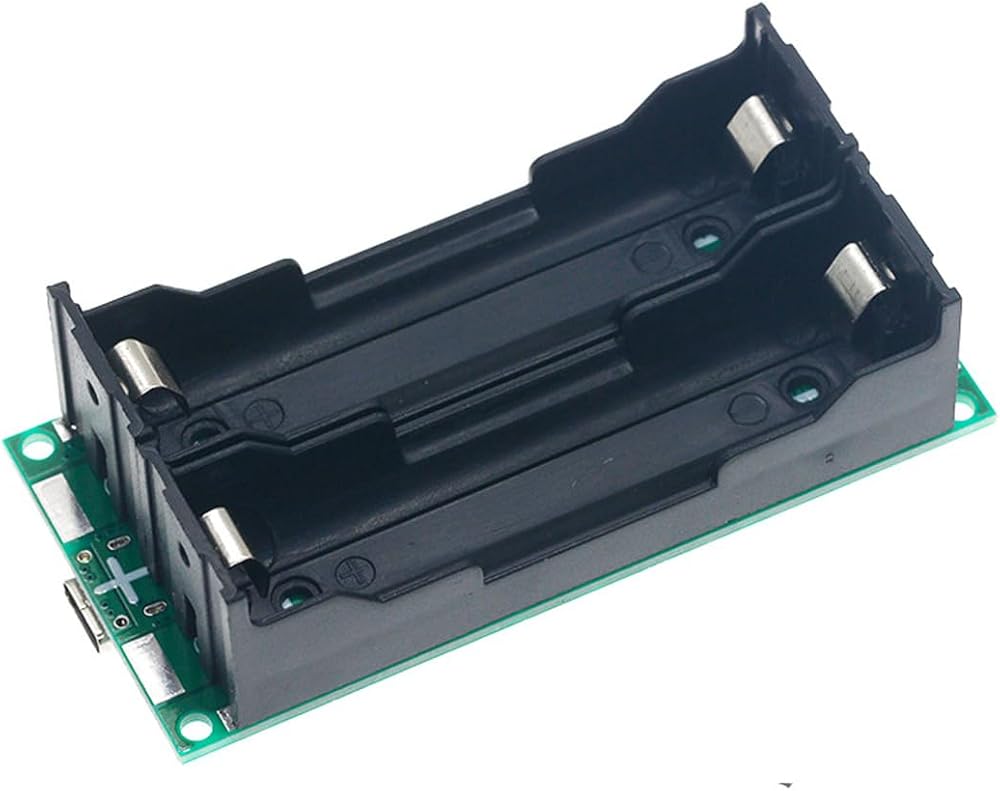
1. The USB port and the ports labeled 5V+ and 5V- are external power supply ports; either one can be used. The ports labeled USP+ and UPS- are output interfaces. The battery box on the back can be connected to an 18650 lithium battery, or other 3.7V lithium batteries can be used
2. When used as a UPS, ensure the battery is properly installed to guarantee sufficient power from the 5V input, and the output remains continuously connected. In case of a power outage, the battery can immediately take over power supply
3. If the UPS aims to conserve energy, after all tests are completed, remove the output indicator LED. This reduces current consumption by several milliamps without affecting normal circuit output, resulting in energy savings
4. During operation, the board may enter a protective state and cease output due to various reasons (e.g., accidental contact, incorrect connections, etc.). After resolving the issue, connect the 5V charging port to the board and power it on once to reactivate output
5. The 5V charging power supply uses a high-capacity output capacitor, which continues to discharge after power loss, causing the voltage to drop gradually. This prevents the board from switching to battery power immediately after power shutdown. Connecting a 1K discharge resistor in parallel with the 5V input port can prevent this situation
6. To increase the battery capacity of the UPS module, multiple cells can be connected in parallel without affecting other functions
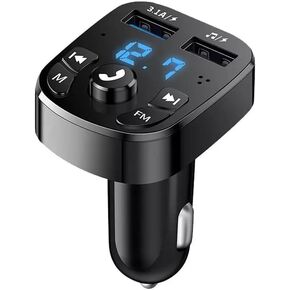 جهاز إرسال بلوتوث FM للسيارة، محول بلوتوث لاسلكي Rudio Aux طقم السيارة مشغل MP3 مستقبل موسيقى ستيريو، مكالمات بدون استخدام اليدين، منافذ USB مزدوجة، شاحن سريع لجميع الهواتف الذكية
KWD 4.500
جهاز إرسال بلوتوث FM للسيارة، محول بلوتوث لاسلكي Rudio Aux طقم السيارة مشغل MP3 مستقبل موسيقى ستيريو، مكالمات بدون استخدام اليدين، منافذ USB مزدوجة، شاحن سريع لجميع الهواتف الذكية
KWD 4.500
 تلميع كرات الإسفنج الإسفنج أداة لتلميع عجلة السيارات أداة تعدد الاستخدامات لقوارب رعاية عجلة السيارة والدراجات النارية (برتقالي)
KWD 3
تلميع كرات الإسفنج الإسفنج أداة لتلميع عجلة السيارات أداة تعدد الاستخدامات لقوارب رعاية عجلة السيارة والدراجات النارية (برتقالي)
KWD 3
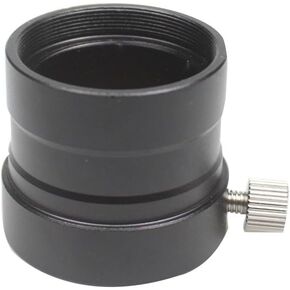 1.25 إلى 0.965 بوصة محول العدسة التلسكوب ، 31.7 مم إلى 24.5 مم أسود عالمي العيون المحول المعدني محول على 1.25 بوصة التركيز
KWD 6.500
1.25 إلى 0.965 بوصة محول العدسة التلسكوب ، 31.7 مم إلى 24.5 مم أسود عالمي العيون المحول المعدني محول على 1.25 بوصة التركيز
KWD 6.500
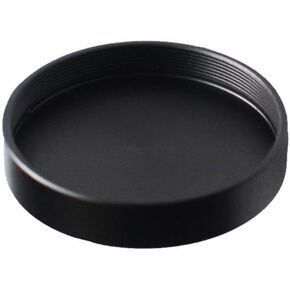 M42 x 0.75 غطاء غبار عدسة تلسكوب احترافي، غطاء حماية معدني محمول من سبائك الألومنيوم غطاء غبار عدسة ملولبة لملحقات الكاميرا المضادة للغبار
KWD 4.500
M42 x 0.75 غطاء غبار عدسة تلسكوب احترافي، غطاء حماية معدني محمول من سبائك الألومنيوم غطاء غبار عدسة ملولبة لملحقات الكاميرا المضادة للغبار
KWD 4.500

 الكويت