- التسوق ، اصبح سهلا.
- /
- احصل على التطبيق!
كيف يعمل؟
بشكل عام، يُطلق على راتنجات الأشعة فوق البنفسجية ثلاثية الأبعاد اسم غير قطبي (محب للنفط)، في حين أن الماء مادة قطبية حيث يحتوي الجزيء على أقطاب كهربائية (سيقوم الماء بتوصيل الكهرباء بينما الزيت وما شابه، أي راتنجات الأشعة فوق البنفسجية ثلاثية الأبعاد أقل احتمالية بكثير لتوصيل الكهرباء. ) لذا فإن هذا يكفي لتعريف المصطلح القطبي وغير القطبي. المواد القطبية وغير القطبية (أي تحويل الزيت إلى ماء) لن تتحد أو تمتزج معًا.
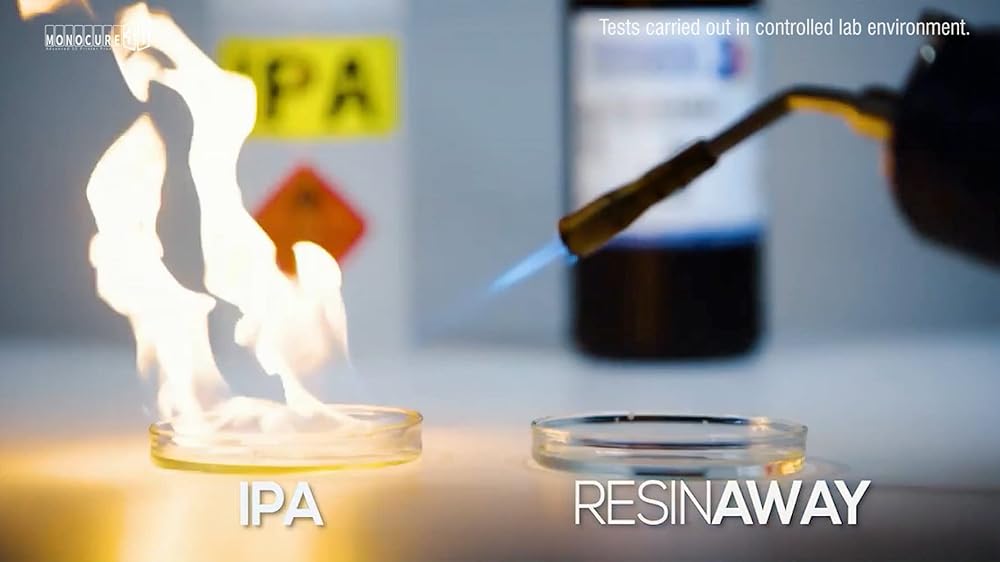
هناك مصطلح آخر يسمى "ثنائي القطب"، وهذا يحدد المادة التي تكون قطبية وغير قطبية، ومن أمثلة المواد ثنائية القطب بعض الكحوليات الأكثر شيوعًا، مثل الإيثانول والبروبانول والأيزو بروبانول. المذيب ثنائي القطب هو الذي يمتزج ويذوب في كل من المادة القطبية وكذلك المادة غير القطبية أو الماء وكذلك الزيت بشكل متساوٍ في كل منهما.
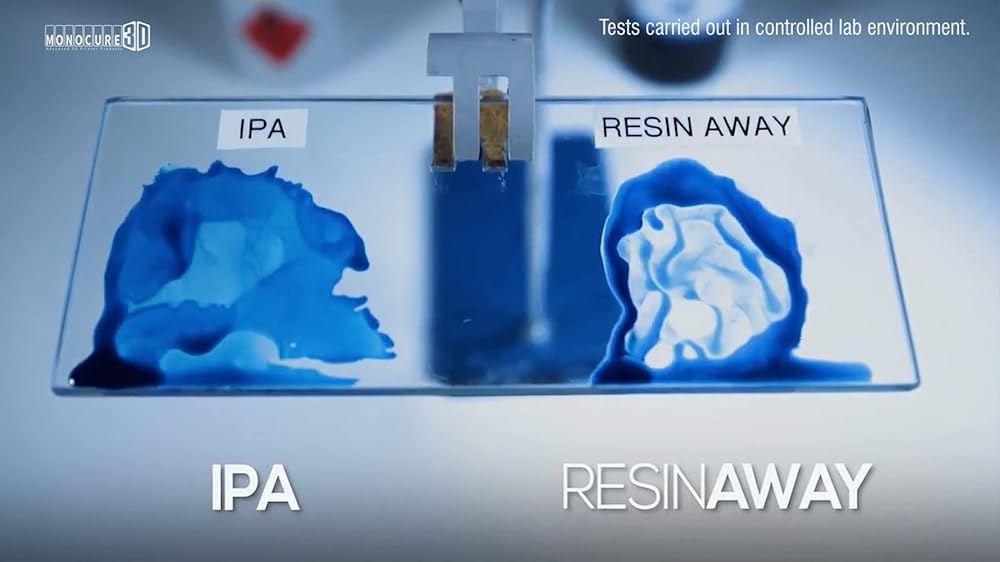
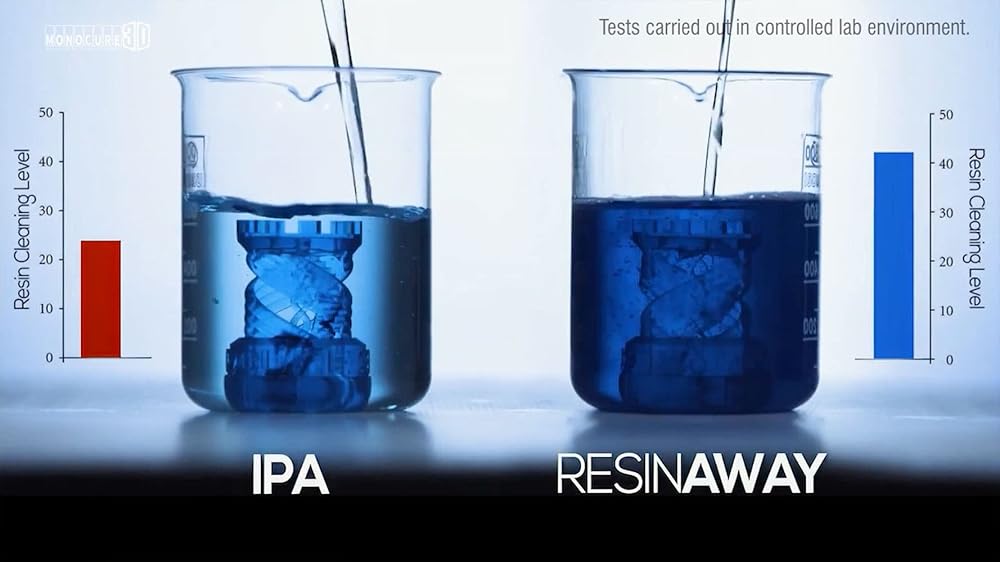
لا يقوم كحول الأيزوبروبيل بتكسير جميع المواد الموجودة في راتنج البوليمر الضوئي بشكل فعال، بل يخففها فقط، مما يعطي مظهر التنظيف، ولكنه يصبح مشبعًا بسرعة كبيرة. سيؤدي ذلك إلى عدم فعاليته، مما يترك بقايا الراتنج على الأجزاء.
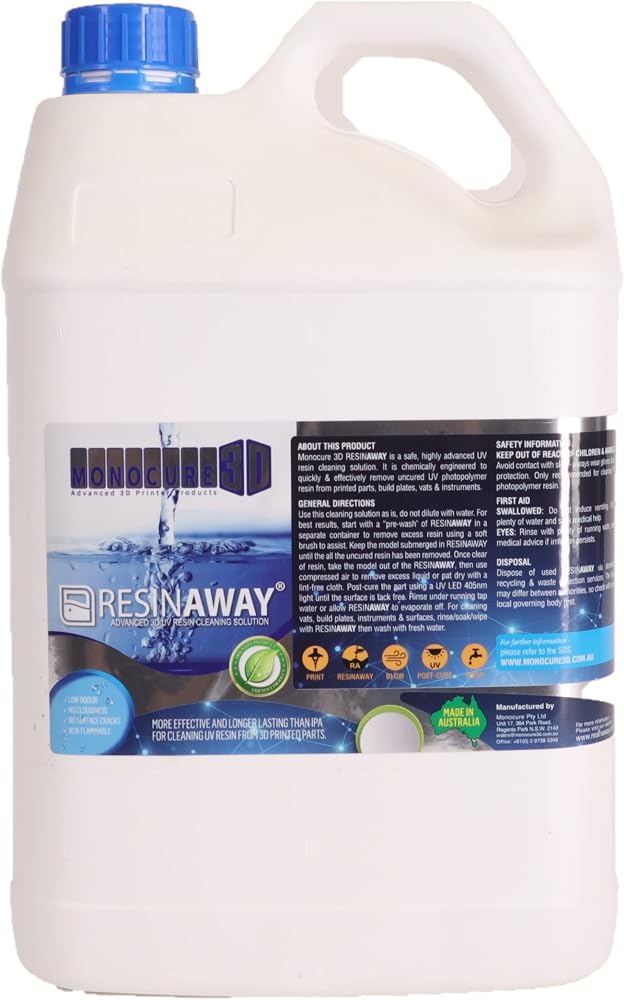
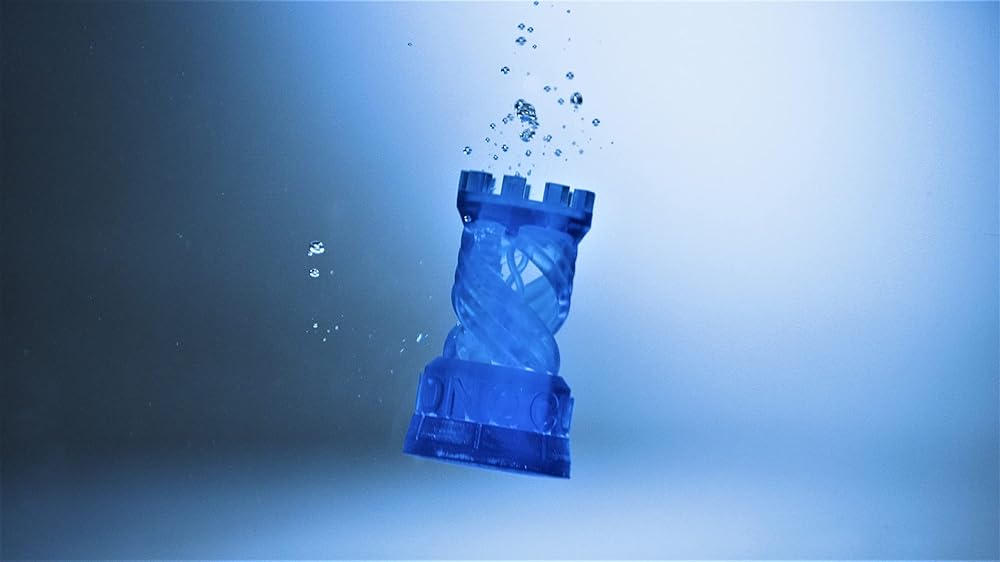
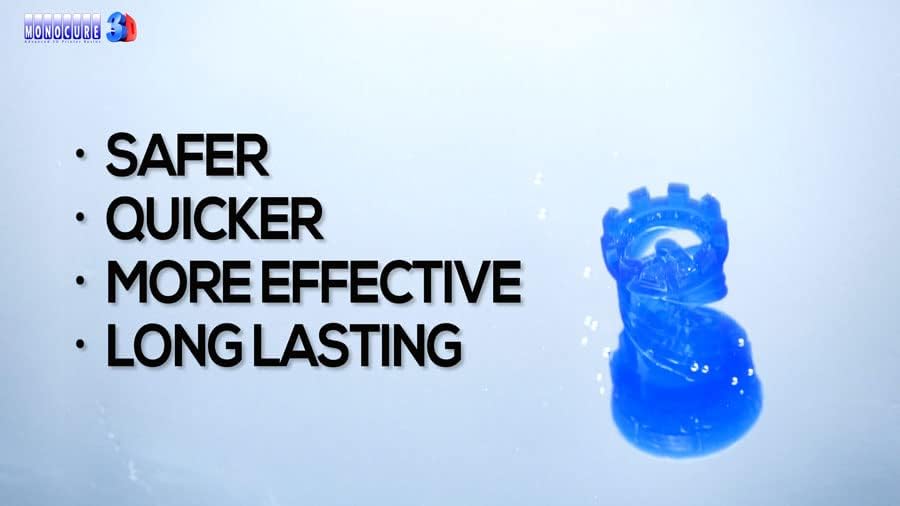
تم تصميم RESINAWAY® لاستهداف الراتنج غير المعالج لأنه يغير تركيبه الكيميائي لجعله قابلاً للذوبان في الماء. تحويل راتينج غير قابل للغسل بالماء إلى راتنج، مما يعني أنه يمكن غسله بسهولة بعد معالجة الجزء بعد ذلك.
على عكس IPA، لن يتحول RESINAWAY® إلى مستحلب بالراتنج غير المعالج الموجود على سطح الطباعة. يمكن أن يتسبب ذلك في تحول السطح إلى غائم ومتجمد، مما يؤدي إلى الابتعاد عن الشفافية الطبيعية للراتنج. إذا تركت الأجزاء المطبوعة في IPA لفترة طويلة، فإن الشقوق على السطح ستكون واضحة أو أسوأ من ذلك؛ قد يتسبب ذلك في تشقق النموذج المطبوع ثلاثي الأبعاد في الأماكن الضعيفة.
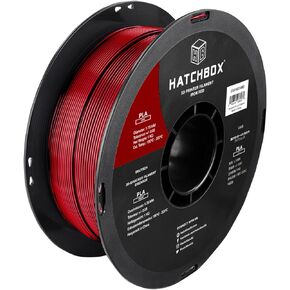 HATCHBOX PLA PRO+ خيوط طابعة ثلاثية الأبعاد، دقة الأبعاد +/- 0.03 مم، بكرة 1 كجم، 1.75 مم، أسود
KWD 12
HATCHBOX PLA PRO+ خيوط طابعة ثلاثية الأبعاد، دقة الأبعاد +/- 0.03 مم، بكرة 1 كجم، 1.75 مم، أسود
KWD 12
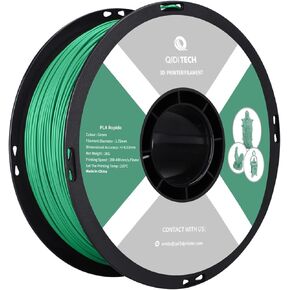 R QIDI TECHNOLOGY PLA Filament 1.75 مم، خيوط طابعة ثلاثية الأبعاد PLA Rapido، مناسبة للطباعة عالية السرعة، خيوط طباعة ثلاثية الأبعاد تناسب معظم طابعات FDM ثلاثية الأبعاد، بكرة 1 كجم (2.2 رطل)، أسود
KWD 10.500
R QIDI TECHNOLOGY PLA Filament 1.75 مم، خيوط طابعة ثلاثية الأبعاد PLA Rapido، مناسبة للطباعة عالية السرعة، خيوط طباعة ثلاثية الأبعاد تناسب معظم طابعات FDM ثلاثية الأبعاد، بكرة 1 كجم (2.2 رطل)، أسود
KWD 10.500
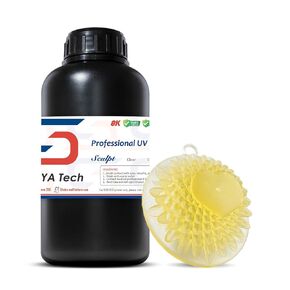 راتينج الطابعة ثلاثية الأبعاد المقاوم للحرارة العالية من Siraya Tech Sculpt - حتى 180 درجة مئوية، دقة عالية، متوافقة مع طابعات 8K DLP/LCD للهندسة والمجوهرات والتطبيقات الصناعية (رمادي داكن، 1 كجم)
KWD 13
راتينج الطابعة ثلاثية الأبعاد المقاوم للحرارة العالية من Siraya Tech Sculpt - حتى 180 درجة مئوية، دقة عالية، متوافقة مع طابعات 8K DLP/LCD للهندسة والمجوهرات والتطبيقات الصناعية (رمادي داكن، 1 كجم)
KWD 13
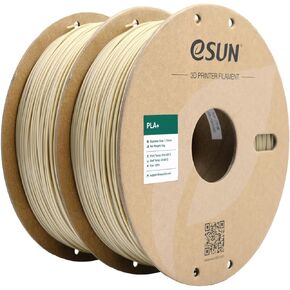 eSUN PLA+ خيوط 1.75 مم، خيوط طابعة ثلاثية الأبعاد PLA Plus، دقة الأبعاد +/- 0.03 مم، 1 كجم لكل بكرة، بكرتان خيوط طباعة ثلاثية الأبعاد، عظمة بيضاء
KWD 12.500
eSUN PLA+ خيوط 1.75 مم، خيوط طابعة ثلاثية الأبعاد PLA Plus، دقة الأبعاد +/- 0.03 مم، 1 كجم لكل بكرة، بكرتان خيوط طباعة ثلاثية الأبعاد، عظمة بيضاء
KWD 12.500

 الكويت