- التسوق ، اصبح سهلا.
- /
- احصل على التطبيق!
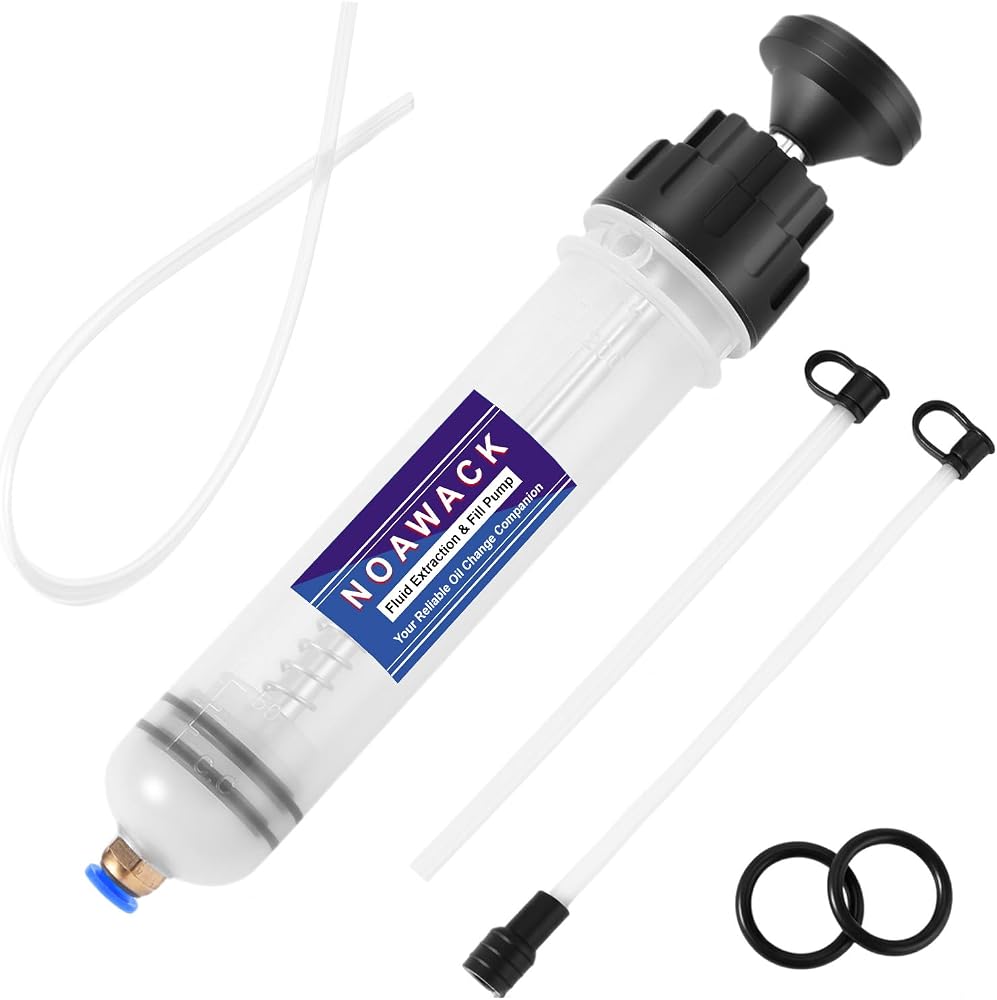
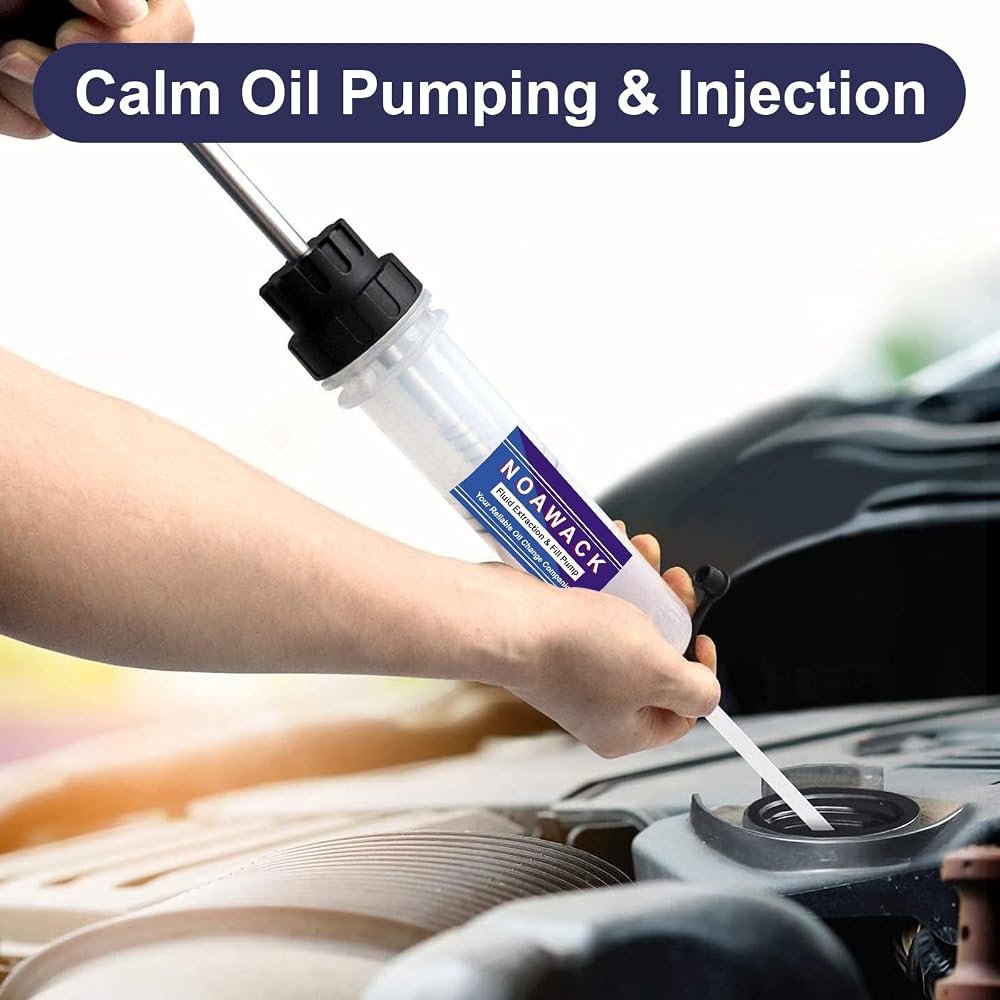
We specialize in the development and sales of manual oil pumps, from 200 ml portable models to 500 ml high-efficiency versions. Every pump is carefully selected to fit multiple scenarios (car transmissions, lawn mowers, gearboxes, etc.), with a focus on "easy operation + leak-free performance"—making fluid extraction and injection a breeze for DIY enthusiasts and mechanics alike.
We believe: A good tool shouldn't be complicated. That's why our designs prioritize "ergonomics and durability," paired with clear instructions and thoughtful after-sales support—so you can use it with confidence and maintain it with ease.
Whether for daily minor repairs or professional tasks, we're here to simplify fluid transfer and make every job efficient.
— Your trusted fluid transfer pump expert, ensuring smooth, leak-free extraction every time.
1. Preparation
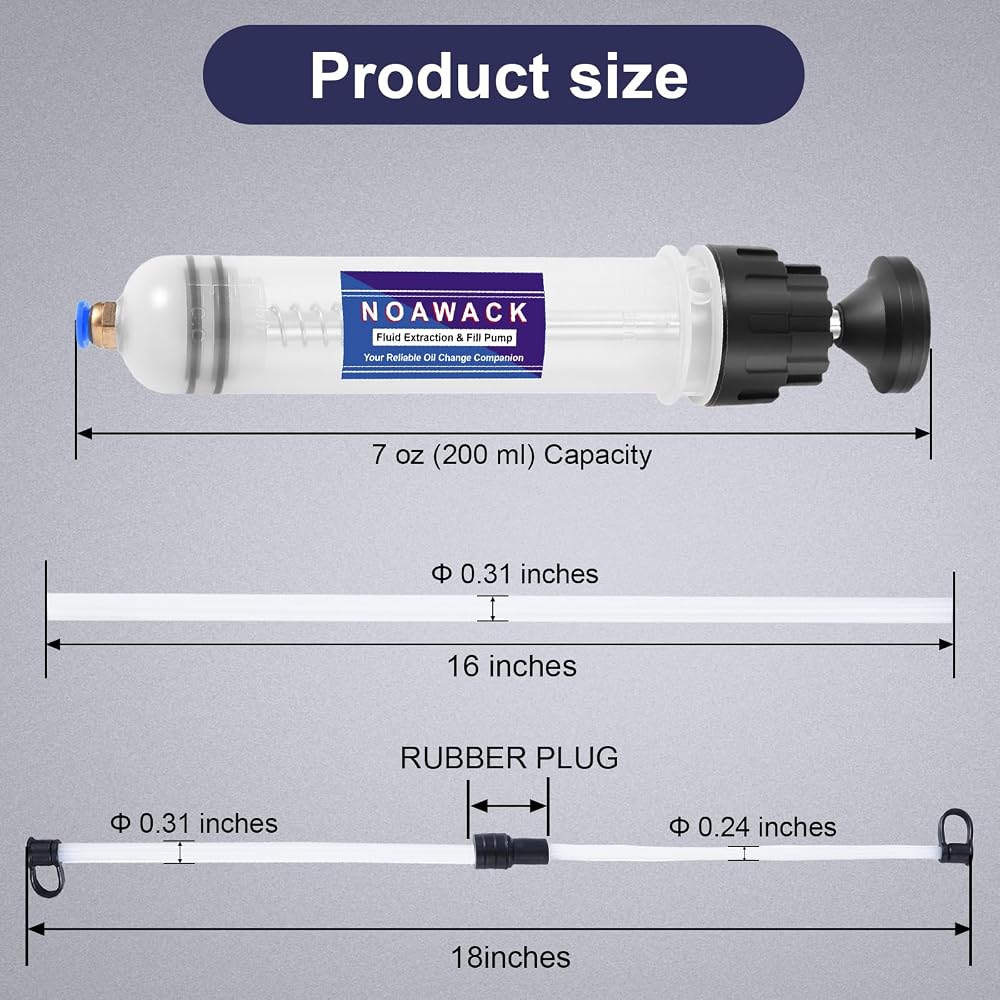
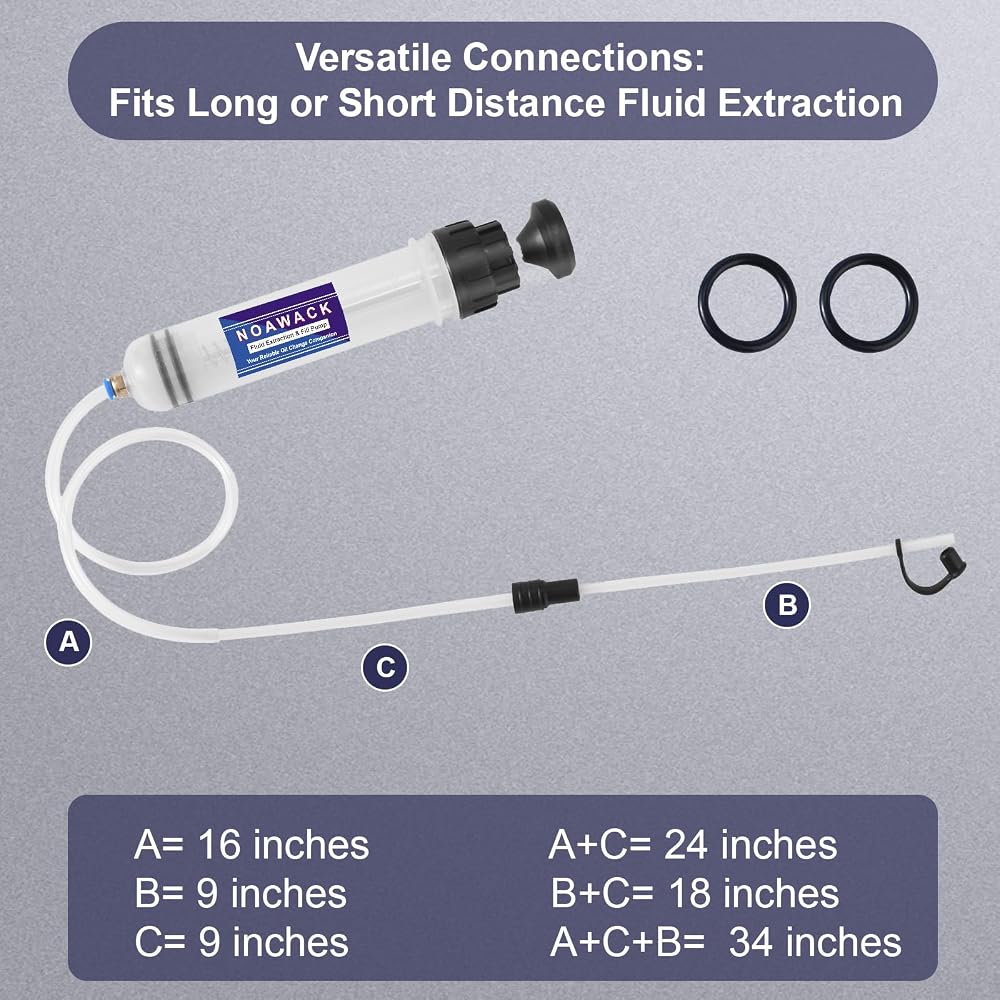
Choose a hose of appropriate length, press the top self-locking device to insert the hose, and ensure all connections are tight.
2. Extraction
Insert the hose into the liquid, then slowly pull the plunger to extract. Note: Wait for hot liquids to cool first.
4. Temporary Storage
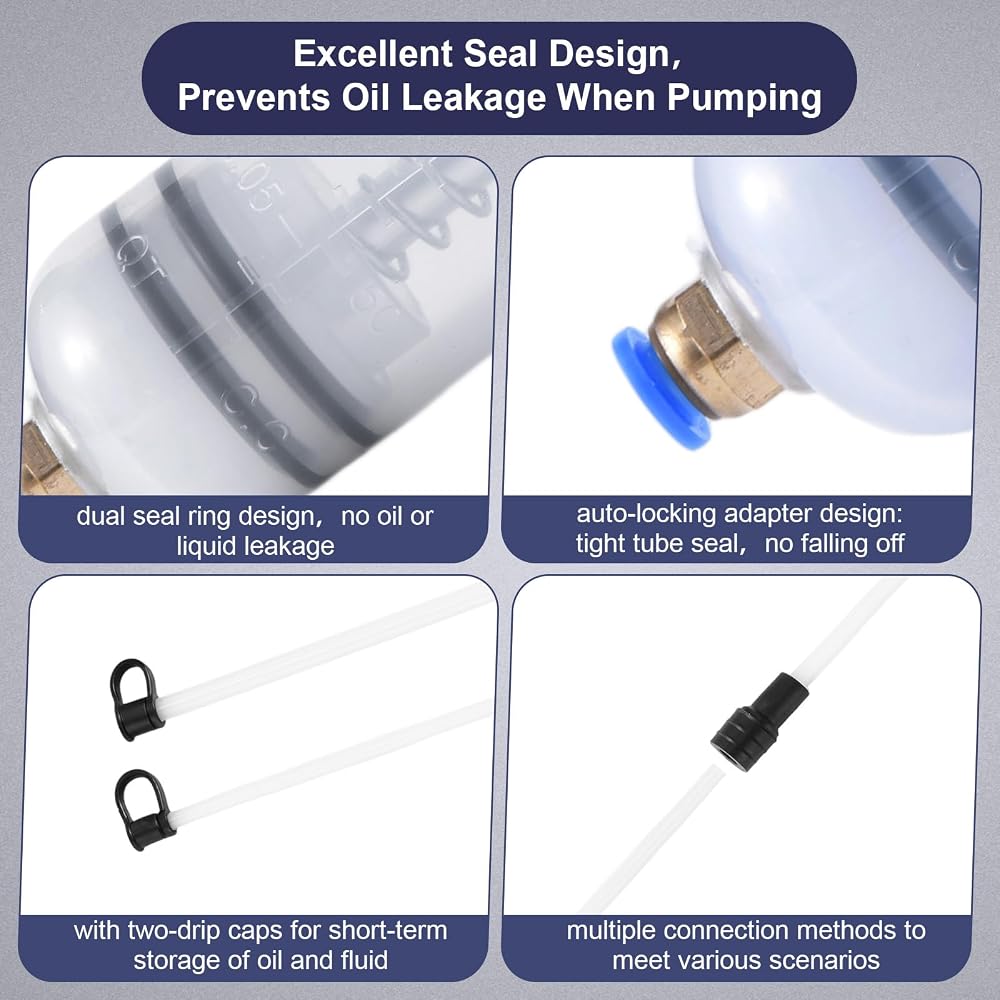
Keep the pump upright after extraction; cover the hose with the cap to prevent leaks. Do not tilt, invert, or store liquid long-term.
5. Injection
Remove the cap, align with the inlet, and slowly push the plunger to discharge liquid.
· Cleaning:
Rinse the pump body and hose with the corresponding liquid, then dry thoroughly before storage.
· Pump Sticking:
Caused by insufficient lubrication between the seal ring and pump body—apply lubricating oil to resolve.
· Seal Ring Replacement:
When sealing weakens, remove the plunger, replace the old ring with a spare, and reinstall.
· Hose Shape Recovery:
Soak in warm water for 5 minutes to restore its linear shape.
· Corrosive Liquids:
These may damage seals—clean the interior immediately after use.
If you're not satisfied, contact us via email anytime. We guarantee a response within 24 hours and a satisfactory solution.
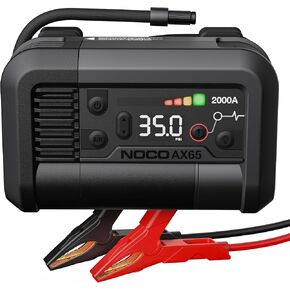 Noco Boost Air Ax65: 2000a قفزة قفزة مع 22A 100 PSI ضاغط إطارات إطارات - 8.0 لتر من البنزين ومحركات الديزل 6.0L - تضخيم إطارات من 0-40 رطل في 2.0 دقيقة
KWD 122
Noco Boost Air Ax65: 2000a قفزة قفزة مع 22A 100 PSI ضاغط إطارات إطارات - 8.0 لتر من البنزين ومحركات الديزل 6.0L - تضخيم إطارات من 0-40 رطل في 2.0 دقيقة
KWD 122
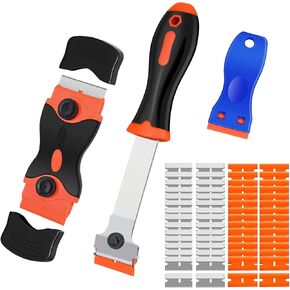 أداة مكشفية شفرة الحلاقة ، 3 عبوات مع 50 شفرات من البلاستيك و 30 شفرات حلاقة معدنية ، مكشطة تنظيف لإزالة الملصقات ، ملصق التسجيل ، الصبغة ، الشحوم من الزجاج الأمامي ، الأجهزة ، الزجاج
KWD 4.500
أداة مكشفية شفرة الحلاقة ، 3 عبوات مع 50 شفرات من البلاستيك و 30 شفرات حلاقة معدنية ، مكشطة تنظيف لإزالة الملصقات ، ملصق التسجيل ، الصبغة ، الشحوم من الزجاج الأمامي ، الأجهزة ، الزجاج
KWD 4.500
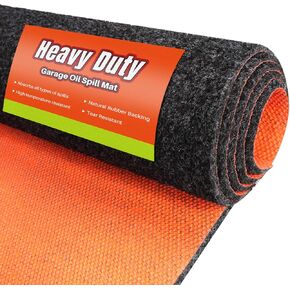 حصيرة انسكاب الزيت الشاق ، حصيرة أرضية مرآب للسيارة ، 64 "× 32" ، مقاومة للماء ، 1/4 "الدعم المطاطي تحمي الأرضية ، قابلة لإعادة الاستخدام ، تمتص جميع أنواع الانسكاب ، وسادات امتصاص الزيت (أسود ، 64" × 32 ")
KWD 6.500
حصيرة انسكاب الزيت الشاق ، حصيرة أرضية مرآب للسيارة ، 64 "× 32" ، مقاومة للماء ، 1/4 "الدعم المطاطي تحمي الأرضية ، قابلة لإعادة الاستخدام ، تمتص جميع أنواع الانسكاب ، وسادات امتصاص الزيت (أسود ، 64" × 32 ")
KWD 6.500
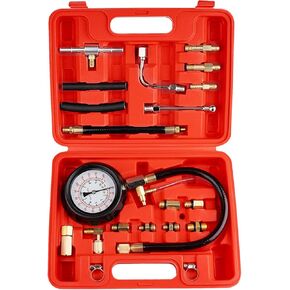 0-140psi طقم اختبار ضغط الوقود ، مقياس ضغط حقن حقن الوقود ، أداة تشخيص اختبار ضغط المضخة للوقود لسيارات البنزين والشاحنات والدراجات النارية و RVS
KWD 8.500
0-140psi طقم اختبار ضغط الوقود ، مقياس ضغط حقن حقن الوقود ، أداة تشخيص اختبار ضغط المضخة للوقود لسيارات البنزين والشاحنات والدراجات النارية و RVS
KWD 8.500