- التسوق ، اصبح سهلا.
- /
- احصل على التطبيق!
The Schoenstatt Apostolic Movement began at Schoenstatt, a junior seminary conducted by the Pallottines for those planning to be missionaries in Africa. It grew out of a Marian sodality established there in April 1914. The superior offered the sodality use of St. Michael's Chapel, near the school. Father Kentenich was the spiritual director at the school. He took inspiration in part from the success of Bartolo Longo in establishing the Marian shrine to Our Lady of the Rosary of Pompei, and believed that he was called to establish a shrine at Schoenstatt. Kentenich's guidance of the sodality was influenced by the works of St. Louis Grignion de Montfort. On December 8, 1920, the first women were accepted in the Apostolic Federation of Schoenstatt". In October 1926, Father Kentenich established the Schoenstatt Sisters of Mary. In 1941, Father Kentenich was arrested and sent to the Dachau Concentration Camp where he began to expand Schoenstatt there among the prisoners who were Italians, Poles, Czechs, and from other nationalities. Mother Thrice Admirable Mother Thrice Admirable Madonna by, Luigi Crosio, 1898 The picture of Mother Thrice Admirable was donated by a teacher in 1915. It was painted in 1898 by Luigi Crosio for the Swiss printing house, Kunzli Brothers, who produced prints of the image under the title "Refuge of Sinners". The students re-named the picture "Mother Thrice Admirable", a title used by Father Jakob Rem, SJ, at the Colloquium Marianum in Ingolstadt, in 1604. It has been associated with specific pieces of Roman Catholic Marian art. The spiritual center of the Marian colloquium of 1604 at Ingolstadt was a copy of the icon of Our Lady Salus Populi Romani, and father Rem desired to know which of the invocations from the litany of Loreto would please her most. He reported that after meditation, the title Mother Thrice Admirable was revealed to him. The 1898 Refugium Peccatorum Madonna by the Italian artist Luigi Crosio was purchased by the Schoenstatt

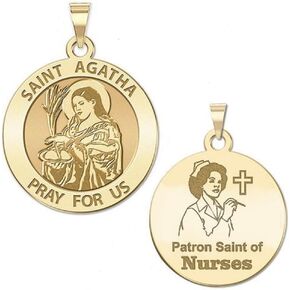 Picturesongold.com Saint Agatha Nurse الميدالية الدينية - 3/4 بوصة الحجم من النيكل - Solid 14K الذهب الأصفر
KWD 139.500
Picturesongold.com Saint Agatha Nurse الميدالية الدينية - 3/4 بوصة الحجم من النيكل - Solid 14K الذهب الأصفر
KWD 139.500
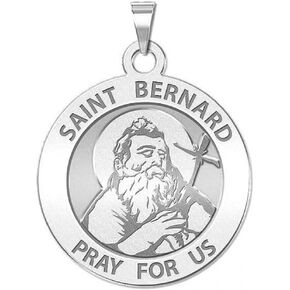 Picturesongold.com Saint Bernard من Menthon Round Medal - 3/4 بوصة حجم الفضة النيكل
KWD 24.500
Picturesongold.com Saint Bernard من Menthon Round Medal - 3/4 بوصة حجم الفضة النيكل
KWD 24.500
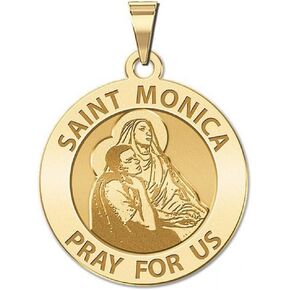 Picturesongold.com القديس مونيكا مع ابنها القديس أوغسطين الميدالية الدينية - 2/3 بوصة حجم الدايم ، الذهب الأصفر 14K الصلب 14K
KWD 109.500
Picturesongold.com القديس مونيكا مع ابنها القديس أوغسطين الميدالية الدينية - 2/3 بوصة حجم الدايم ، الذهب الأصفر 14K الصلب 14K
KWD 109.500
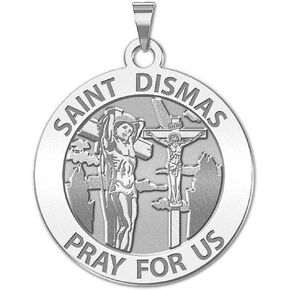 Picturesongold.com Saint Dismas Round Medal - Servling Silver ، 10K أو 14K Gold - Round Pendants Presental Gifts المسيحية للرجال والنساء
KWD 76
Picturesongold.com Saint Dismas Round Medal - Servling Silver ، 10K أو 14K Gold - Round Pendants Presental Gifts المسيحية للرجال والنساء
KWD 76