- التسوق ، اصبح سهلا.
- /
- احصل على التطبيق!
The Takasaki Daruma is a traditional Japanese talisman that originated in Takasaki City, Gunma Prefecture, Japan. The daruma doll is a symbol of perseverance, good luck, and the realization of goals. Its history can be traced back to the 18th century. The story goes that the founder of the Daruma doll, Priest Togaku, spent six years in Kyoto studying Buddhism. Upon returning to Takasaki, he crafted the first daruma doll as a tool for goal-setting and motivation. The doll is round, weighted at the bottom, and always returns to an upright position when tilted—a metaphor for resilience and tenacity in the face of challenges. The Takasaki Daruma has a distinctive design, a face that is usually bearded, resembling the founder Togaku. The color red is symbolic of protection against evil and is also associated with good fortune in Japanese culture. Every year, the Daruma Doll Festival, known as Daruma Kuyo, is celebrated on January 6th at the Shorinzan Daruma-ji Temple in Takasaki. During this festival, people buy a new daruma doll, make a wish, and paint in one eye. If their wish comes true, they return to the temple to paint in the other eye as a way of expressing gratitude. The Takasaki Daruma has not only become a popular souvenir for tourists but also a cherished cultural icon representing the determination to overcome obstacles and achieve one's goals. The tradition of the daruma doll has spread beyond Japan, with people around the world adopting it as a symbol of inspiration and motivation.
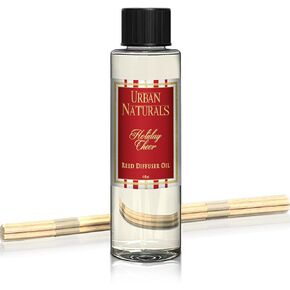 زيت إعادة تعبئة موزع الروائح العطرية من أوربان ناتشورالز | التوت البري، القرفة، دائم الخضرة، خشب الأرز وخشب سموكي | مصنوع من الزيوت العطرية | تتضمن مجموعة مجانية من عصي القصب! 4 أونصة صُنع في الولايات المتحدة الأمريكية
KWD 6.500
زيت إعادة تعبئة موزع الروائح العطرية من أوربان ناتشورالز | التوت البري، القرفة، دائم الخضرة، خشب الأرز وخشب سموكي | مصنوع من الزيوت العطرية | تتضمن مجموعة مجانية من عصي القصب! 4 أونصة صُنع في الولايات المتحدة الأمريكية
KWD 6.500
 بذار الفوشيه مارابو ريشة مروحة 20s نمط خمر للمنزل ديكور الحفلات الرقص عرض الملابس الزفاف الديكور
KWD 4.500
بذار الفوشيه مارابو ريشة مروحة 20s نمط خمر للمنزل ديكور الحفلات الرقص عرض الملابس الزفاف الديكور
KWD 4.500
 مرآة زجاجية مشطوفة مستطيلة من بلايمور 3 مم، 3 بوصة × 6 بوصة
KWD 6
مرآة زجاجية مشطوفة مستطيلة من بلايمور 3 مم، 3 بوصة × 6 بوصة
KWD 6
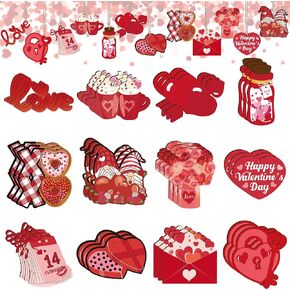 36 قطعة من زخارف عيد الحب الخشبية المعلقة، زخارف خشبية معلقة على شكل قلب جنوم مع حبل قنب لشجرة صغيرة لحفلات الزفاف وعيد الحب وديكور المنزل ومستلزمات الحفلات
KWD 3
36 قطعة من زخارف عيد الحب الخشبية المعلقة، زخارف خشبية معلقة على شكل قلب جنوم مع حبل قنب لشجرة صغيرة لحفلات الزفاف وعيد الحب وديكور المنزل ومستلزمات الحفلات
KWD 3