- التسوق ، اصبح سهلا.
- /
- احصل على التطبيق!
This TPE-SEBS 85A is a soft material that is ideal for prototyping where rubber-like or elastomeric properties and durability are required. It has a Shore A hardness of 85, making it slightly softer than TPE-SEBS 1300 95A. TPE-SEBS 85A is non-hygroscopic, meaning it does not absorb moisture, and is durable with repetitive motions. It is also resistant to chemicals, oils, and acids, making it a versatile material for a variety of industries. This material is easy to mold and shape, and can be used for a wide range of products, including medical devices, automotive parts, and consumer goods. Recommended Print Settings: Print Temperature: The optimal printing range is 240° – 250°C Bed Temperature: A bed temperature of 70°C will provide the best adhesion during printing. Printing Speed: Base printing speed of 25 mm/s Infill speed of 25-30 mm/s Wall speed of 25-30 mm/s Initial Layer speed of 10 mm/s Cooling: For best results do not use a cooling fan while printing with TPE-SEBS. Bed Adhesion: Use a brim when printing on clean glass. When using a PEI sheet, use a skirt on a clean plate. There is no need for any additional adhesion methods. Other Tips: For best results, print TPE-SEBS 85A on a direct-drive printer. If attempting to print on a Bowden-style printer, using a PTFE or fluoropolymer-lined Bowden tube will increase success. If the material starts to short feed or bind up in the extruder, turn down the feeder wheel tension. It is recommended to start with as little tension as possible. Disclaimer: Due to the large variety of printers and part geometries, the given process parameters are a guideline.
 خيوط PLA Plus عالية السرعة 1.75 مم، خيوط طابعة ثلاثية الأبعاد عالية المتانة، PLA+ عالية التدفق للطباعة السريعة حتى 600 مم/ثانية، تناسب معظم طابعات FDM ثلاثية الأبعاد، 1 كجم أخضر زيتوني
KWD 5.500
خيوط PLA Plus عالية السرعة 1.75 مم، خيوط طابعة ثلاثية الأبعاد عالية المتانة، PLA+ عالية التدفق للطباعة السريعة حتى 600 مم/ثانية، تناسب معظم طابعات FDM ثلاثية الأبعاد، 1 كجم أخضر زيتوني
KWD 5.500
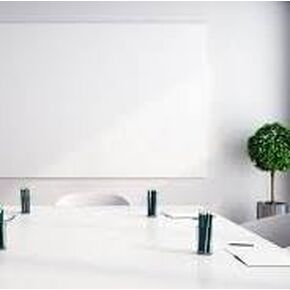 مجموعة غرف المؤتمرات الكبيرة
KWD 5,437.500
مجموعة غرف المؤتمرات الكبيرة
KWD 5,437.500
 Nylon Max® Black Nylon Fluament 1.75mm ، متينة ودقيقة ومحسّنة للالتصاق للطبقة ، والحروف المنخفضة ، والسرير الساخن 80 درجة مئوية إلى 100 درجة مئوية ، ومثالية للهندسة والنماذج الأولية والطباعة ثلاثية الأبعاد - 1 كجم
KWD 12
Nylon Max® Black Nylon Fluament 1.75mm ، متينة ودقيقة ومحسّنة للالتصاق للطبقة ، والحروف المنخفضة ، والسرير الساخن 80 درجة مئوية إلى 100 درجة مئوية ، ومثالية للهندسة والنماذج الأولية والطباعة ثلاثية الأبعاد - 1 كجم
KWD 12
 Silk PLA 3D Frinter Filament Filajoy3d 3D طباعة خيوط الطباعة 1.75 مم 250 جرام دقة الأبعاد +/- 0.03 مم لمعظم طابعات FDM 3D الفضية
KWD 4
Silk PLA 3D Frinter Filament Filajoy3d 3D طباعة خيوط الطباعة 1.75 مم 250 جرام دقة الأبعاد +/- 0.03 مم لمعظم طابعات FDM 3D الفضية
KWD 4