- التسوق ، اصبح سهلا.
- /
- احصل على التطبيق!
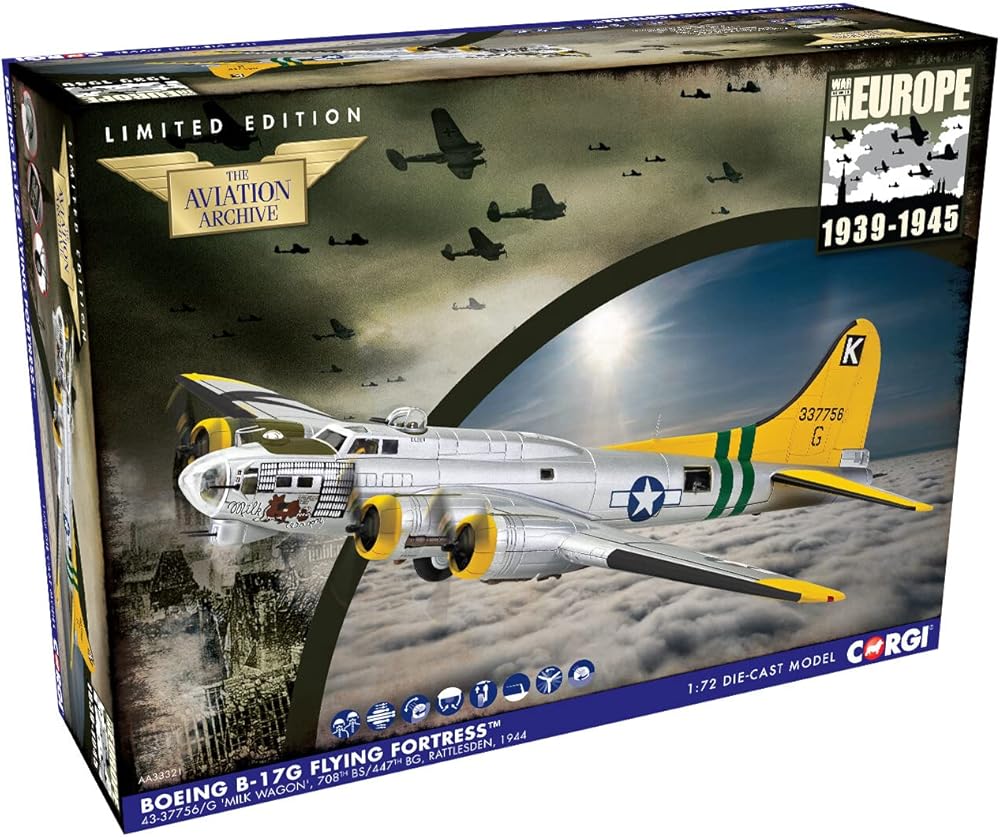
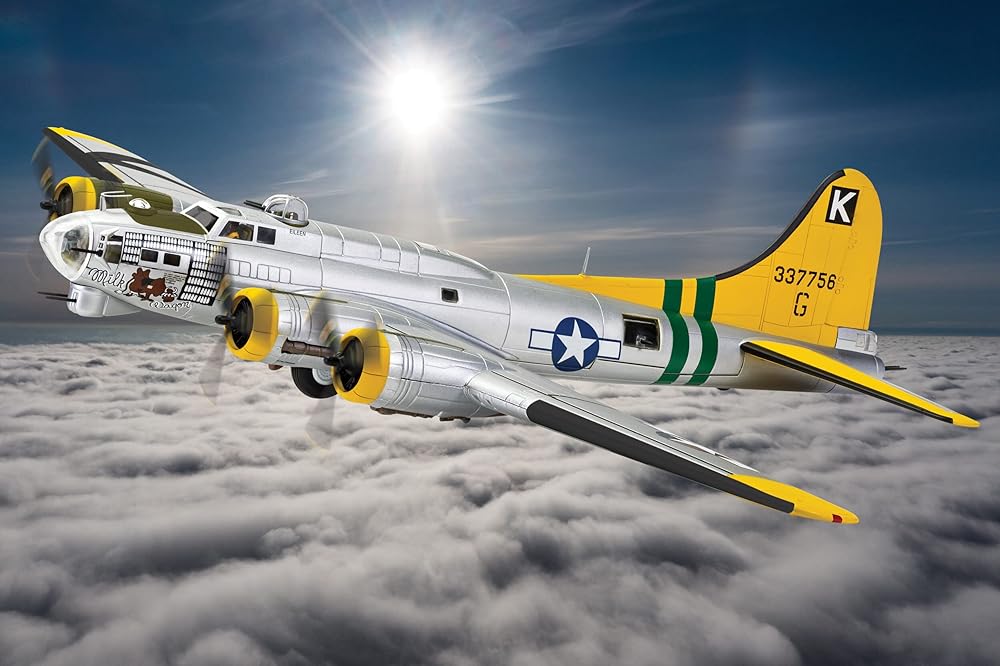
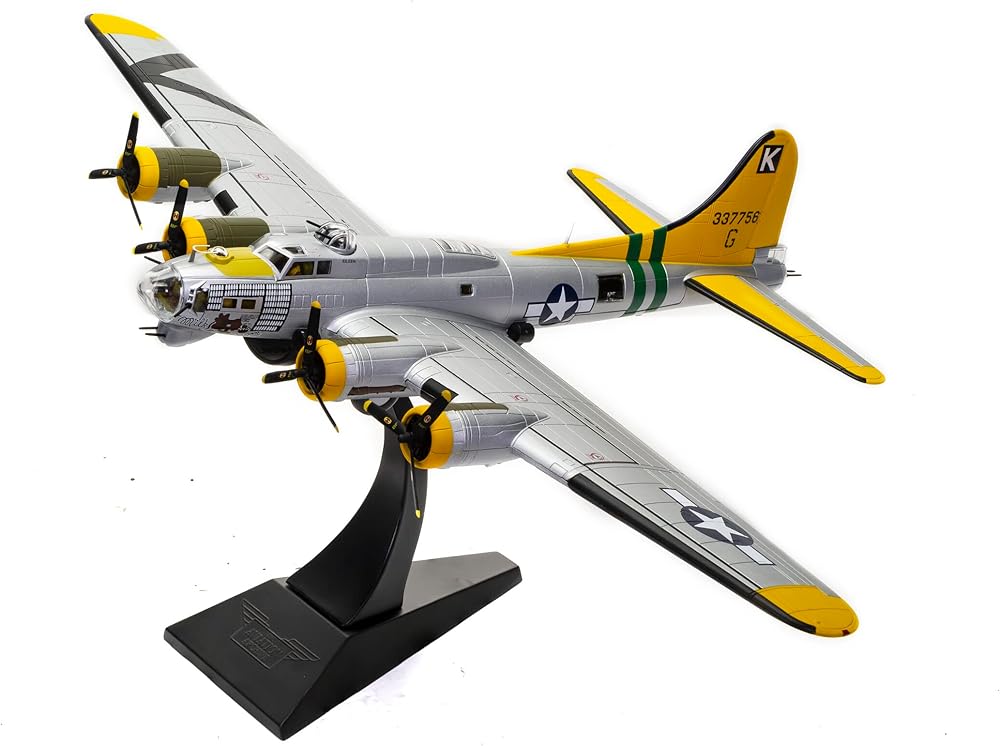
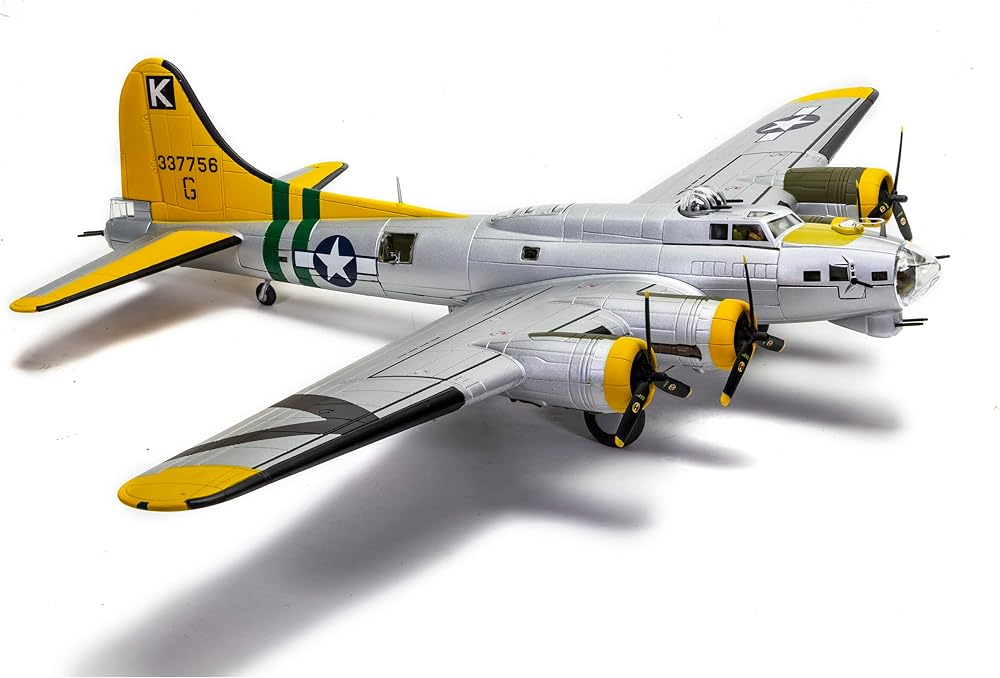
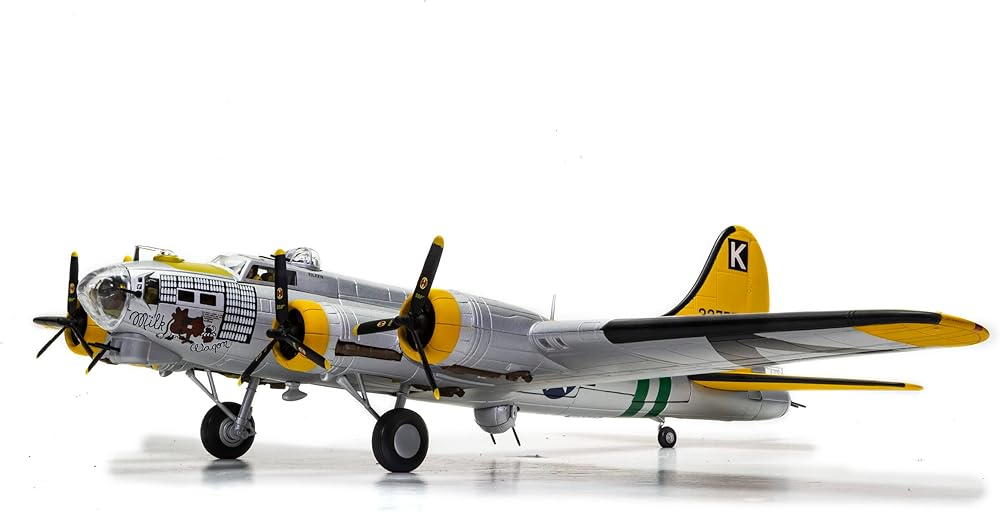
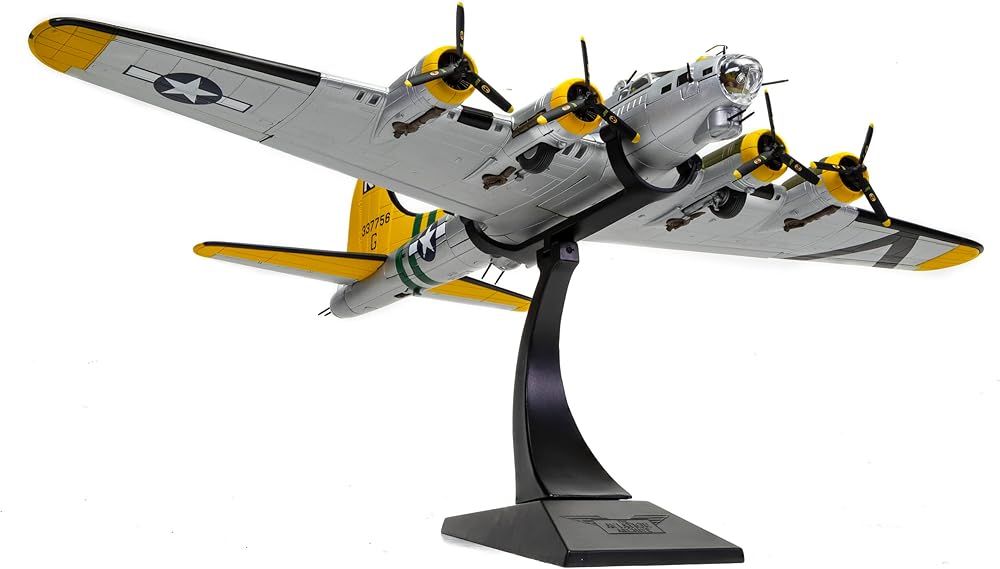
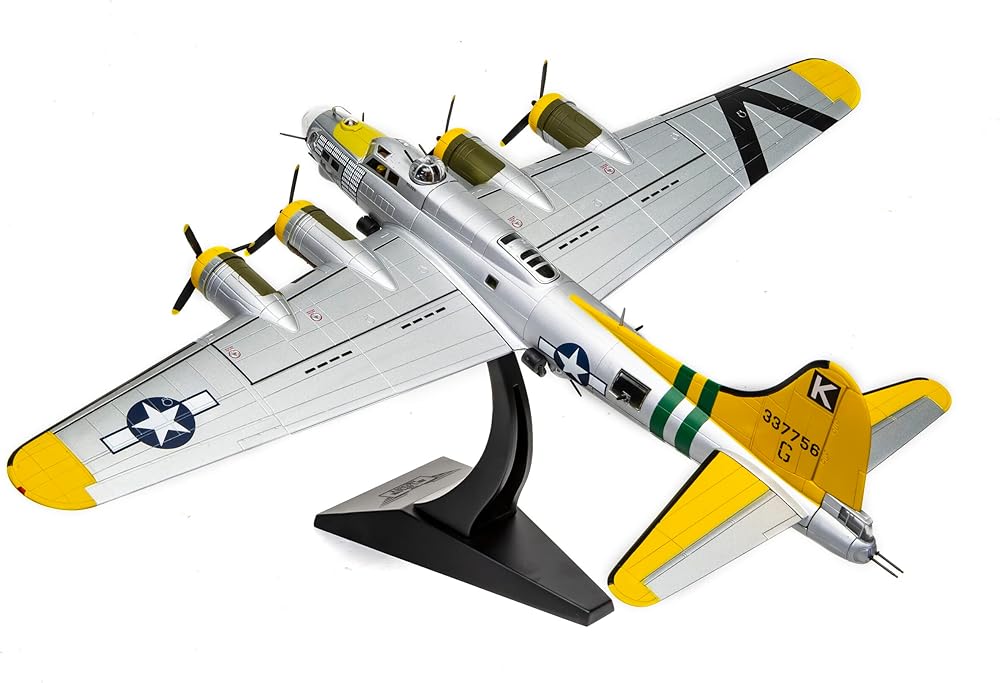
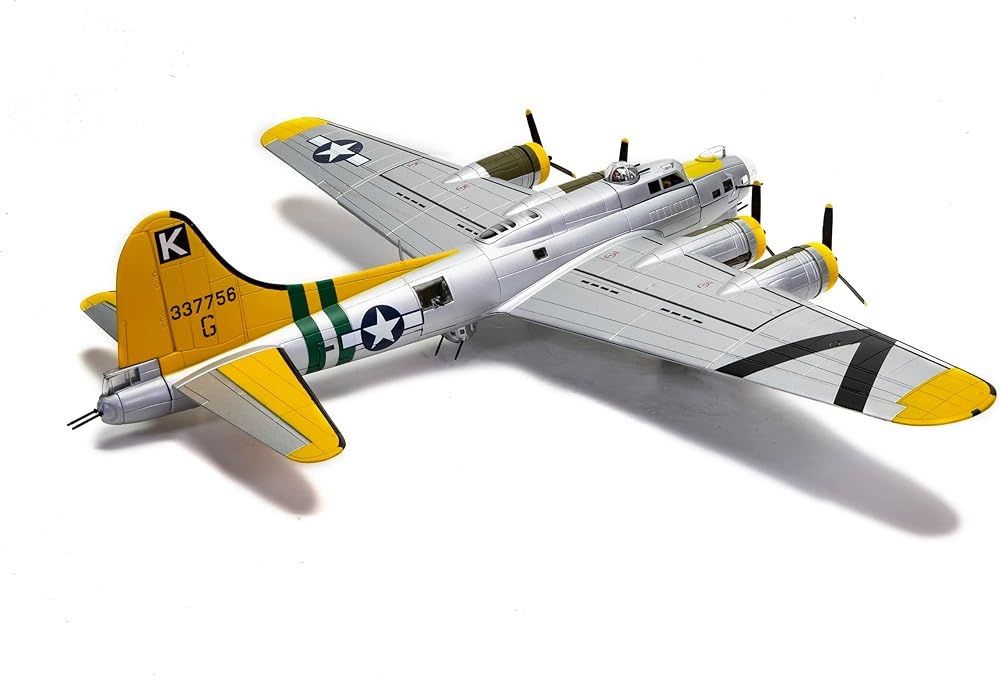
Going into WWII, under the wire, the Boeing B-17 almost did not make the cut to becoming one of the most famous bombers of all time after the prototype crashed in testing. Ultimately, this resulted in the updates Boeing needed to propel this bomber forward to becoming the most successful bomber of WWII, dropping more bombs than any other United States airplane. Boeing was not even halfway through fulfilling their initial order, with 155 in service when Pearl Harbor was attacked by the Imperial Japanese Navy, ramping up production and creating several variants to include this powerhouse in as many missions as possible, creating a versatile and reliable transport, wherever it was assigned. The G variant of the Flying Fortress, was just that, an almost impenetrable defensive bomber that could take a beating and increased armor and armaments with each variation and with 4 engines, if one was damaged, the mission could still be completed. The Milk Wagon directly contributed to the efforts during the Battle of Normandy, aiding troops that landed on D-day in the weeks following, even proved to go above and beyond the already exceptional reputation flying over 129 missions through the entirety of World War II. As it was like a Milk Run and each run gaining a milk bottle to every successful mission completed, this B-17G Flying Fortress never faced a mechanical problem or even had to abort a mission, a testament to this war machine as well as the crew that kept her running in combat shape.
 وورلد اوف تانكس - تشرشل ام كيه.III
KWD 7.500
وورلد اوف تانكس - تشرشل ام كيه.III
KWD 7.500
 -36%
مجسم شخصية ديلوريان ودوك براون من باك تو ذا فيوتشر
KWD 13.500
-36%
مجسم شخصية ديلوريان ودوك براون من باك تو ذا فيوتشر
KWD 13.500
 -9%
كورجي دييكاست هوكر إعصار MK I قائد السرب 'Widge' 1:72 الحرب العالمية الثانية RAF نموذج عرض الطائرات العسكرية AA27608
KWD 30
-9%
كورجي دييكاست هوكر إعصار MK I قائد السرب 'Widge' 1:72 الحرب العالمية الثانية RAF نموذج عرض الطائرات العسكرية AA27608
KWD 30
 كلية حراس الاسكتلنيون السادسة 1943 من تشرشيل MkIII
KWD 24
كلية حراس الاسكتلنيون السادسة 1943 من تشرشيل MkIII
KWD 24

 الكويت