- التسوق ، اصبح سهلا.
- /
- احصل على التطبيق!
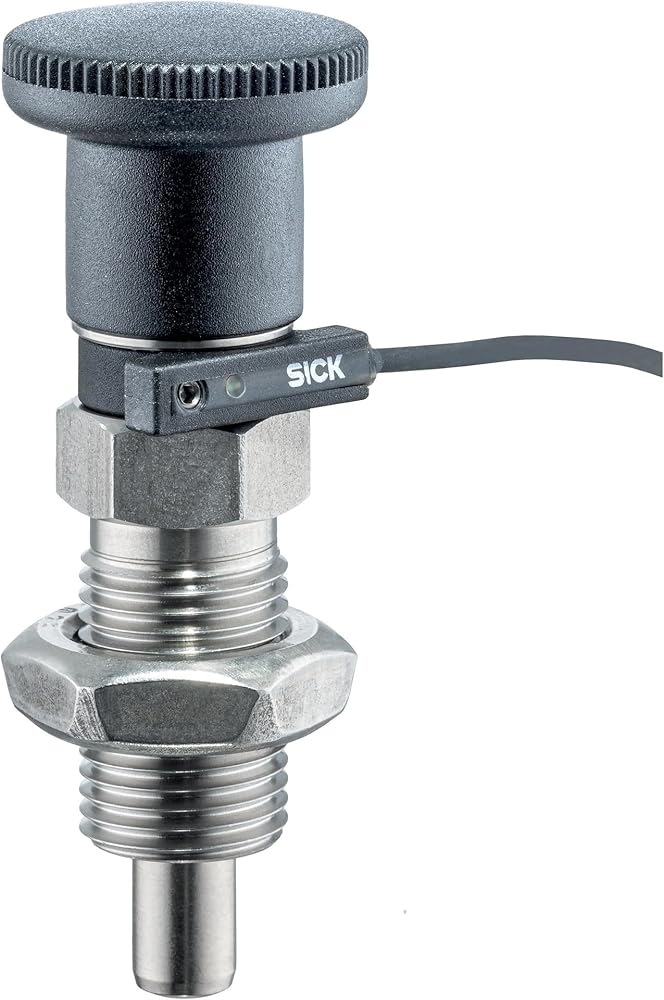
Locking bolts are used in indexing holes and serve for secure locking and precise positioning. Without additional tool insert, components can be reliably positioned or loosened. This means that locking bolts allow fast, repeatable positioning and thus ensures a high level of process reliability.
Locking bolts can be used wherever components need to be positioned or locked quickly, safely and precisely. Typical applications are machine and plant construction, fixture and tool making as well as assembly and production technology. They also ensure smooth processes in transport and packaging systems.
The locking bolt with sensor allows you to check the locking position of the locking pin. When snapped into place, the sensor switches on after 2/3 of the l2 locking path. In addition to the electronic signal, the switching status is displayed via an LED directly on the sensor.
Material:
sleeve.
Stainless steel 1.4305.
Locking pin
Stainless steel 1.4305, nickel-plated.
Button
Thermoplastic PA 6, black, matt.
Cable.
Thermoplastic PUR, black.
magnet
Permanent magnet.
Sensor
Thermoplastic PA 6, black, matt.
Lock nut.
Stainless steel A2 (ISO 8675).
Assembly
The loosely enclosed sensor and sensor clip can be mounted with the also enclosed Allen key. The discharge direction of the sensor cable can be individually determined.
Insert sensor into the sensor clip sideways.
Tighten the sensor hexagon socket screw with light hand force (max. 0.1 Nm).
Clip sensor clip into the ring groove of the locking bolt in any position.
By turning the sensor clip, the dissipation direction of the sensor cable can be adjusted.
Note:
To avoid interference, no magnetic fields should act on the locking bolts.
Operation
In the design with lock, the button is pulled out, rotated 90° and secured by the locking notch (if the locking pin must not protrude).
Notes:
Button cannot be removed.
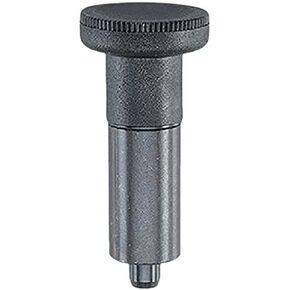 22120.0805 قفل الترباس، بدون خيط، قابل للحام/مع زر، D1 = 5 مم
KWD 11
22120.0805 قفل الترباس، بدون خيط، قابل للحام/مع زر، D1 = 5 مم
KWD 11
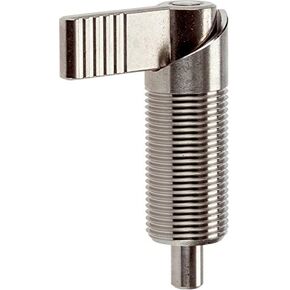 22120.0330 قفل الترباس/بدون غطاء بلاستيكي | D1 = 10 مم / D2 = M20 × 1.5 / ستانلس ستيل
KWD 29
22120.0330 قفل الترباس/بدون غطاء بلاستيكي | D1 = 10 مم / D2 = M20 × 1.5 / ستانلس ستيل
KWD 29
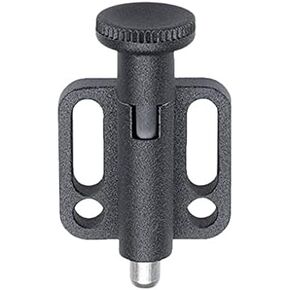 22110.0345 مسمار قفل، بشفة لولبية، أفقي/مع زر وآلية قفل، D1 = 5 مم
KWD 9.500
22110.0345 مسمار قفل، بشفة لولبية، أفقي/مع زر وآلية قفل، D1 = 5 مم
KWD 9.500
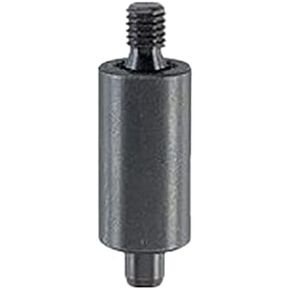 22120.0825 قفل الترباس، بدون خيط، قابل للحام/بدون زر، D1 = 5 مم
KWD 16
22120.0825 قفل الترباس، بدون خيط، قابل للحام/بدون زر، D1 = 5 مم
KWD 16

 الكويت