- التسوق ، اصبح سهلا.
- /
- احصل على التطبيق!
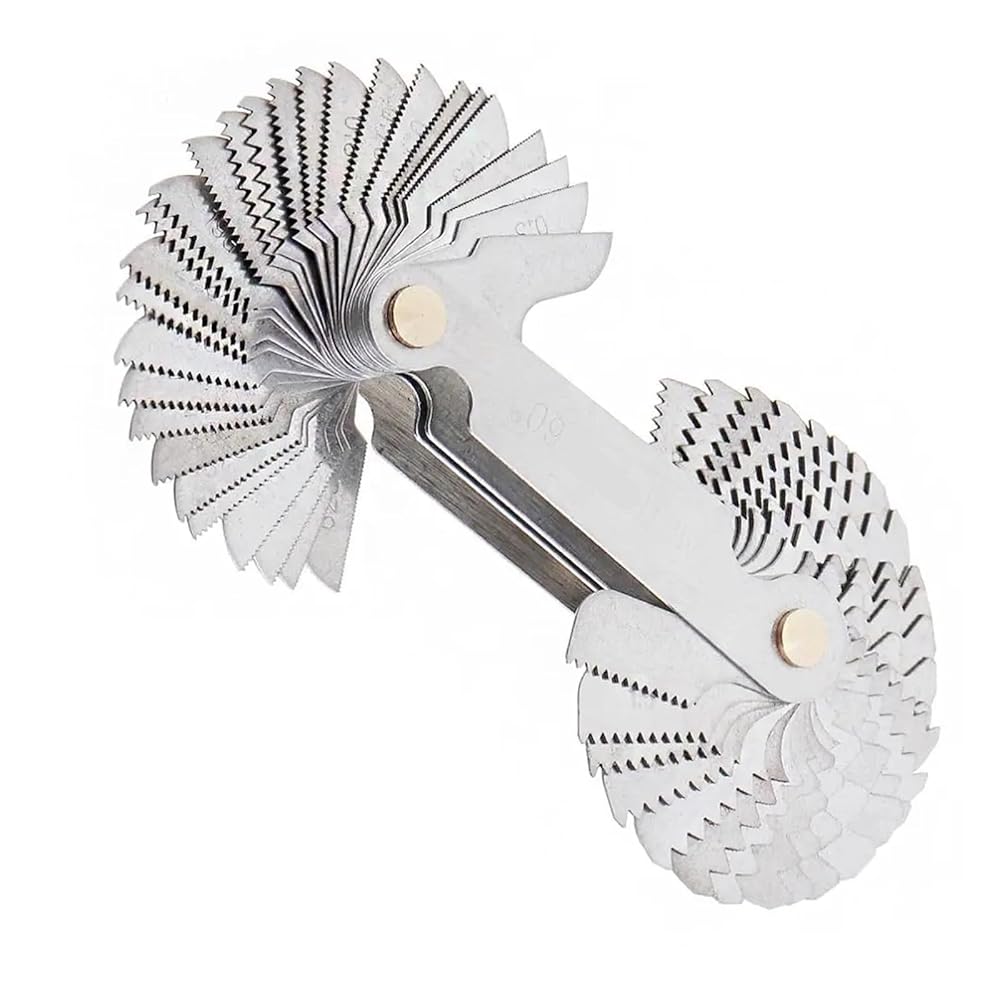
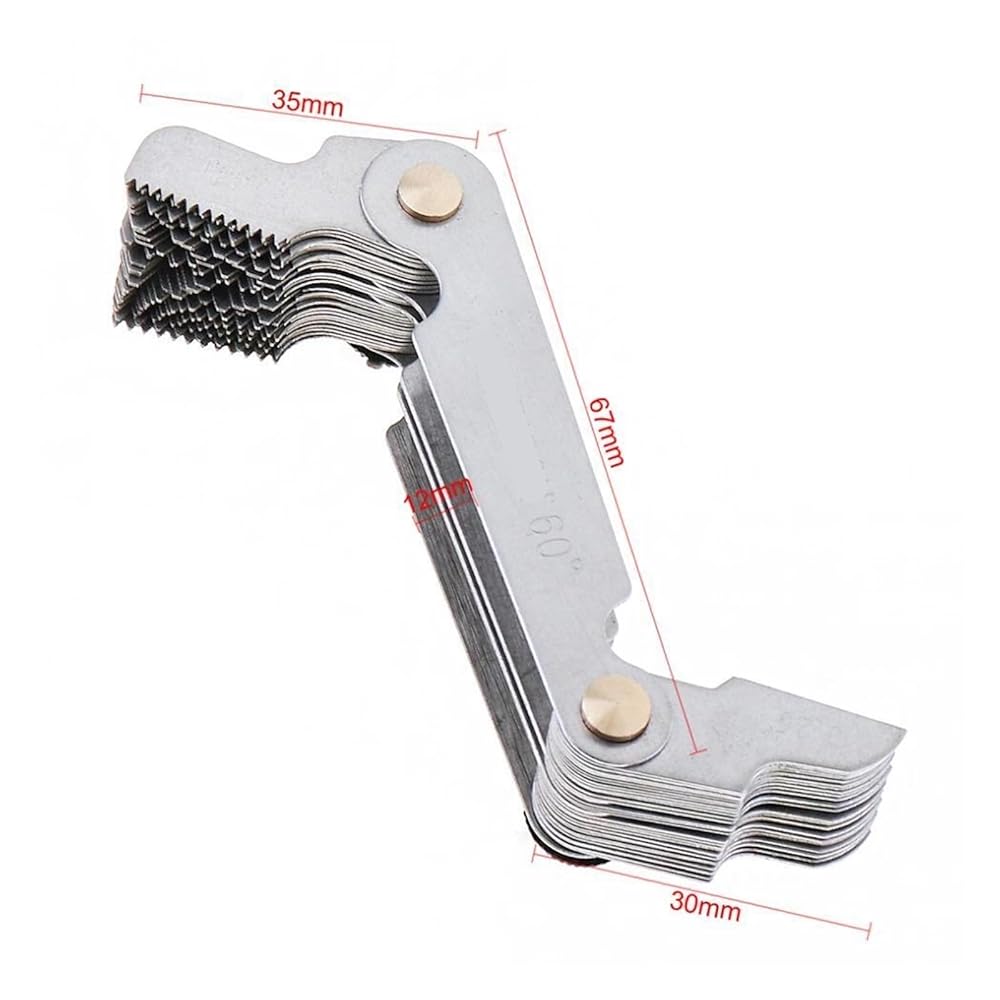
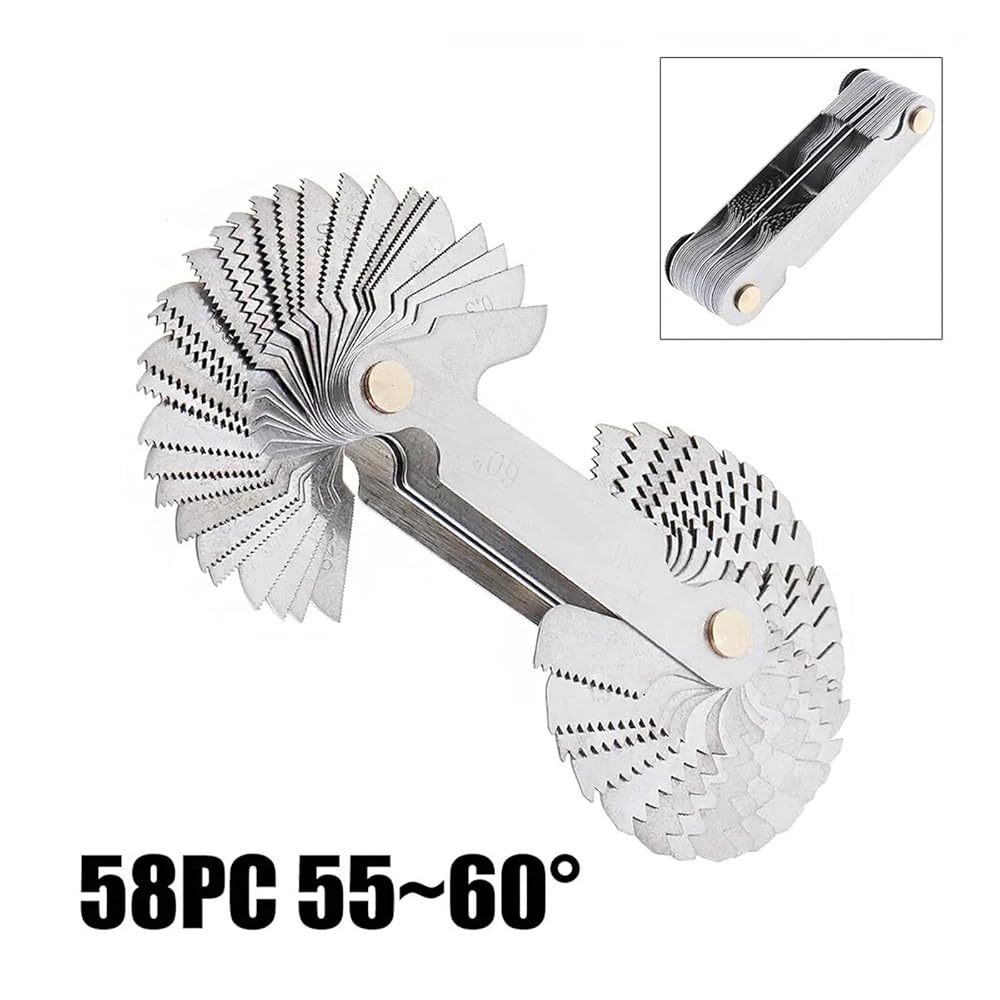
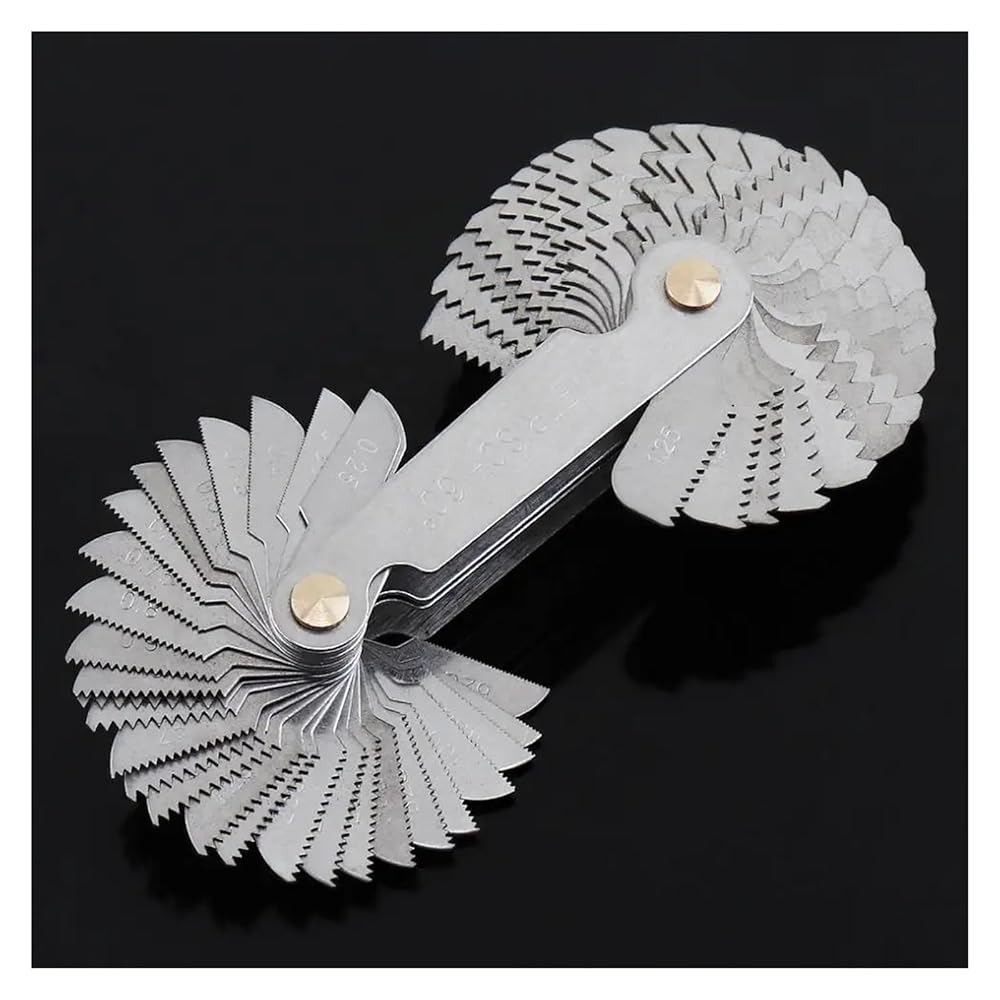
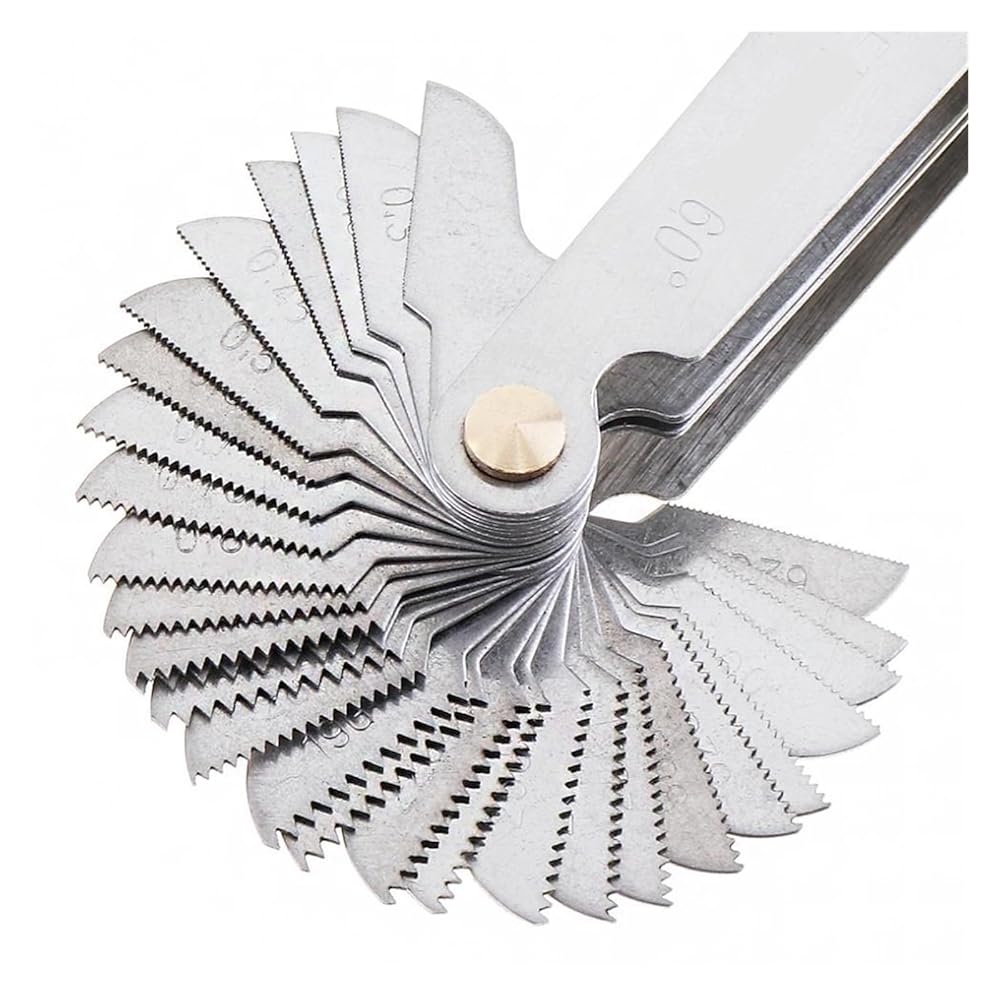
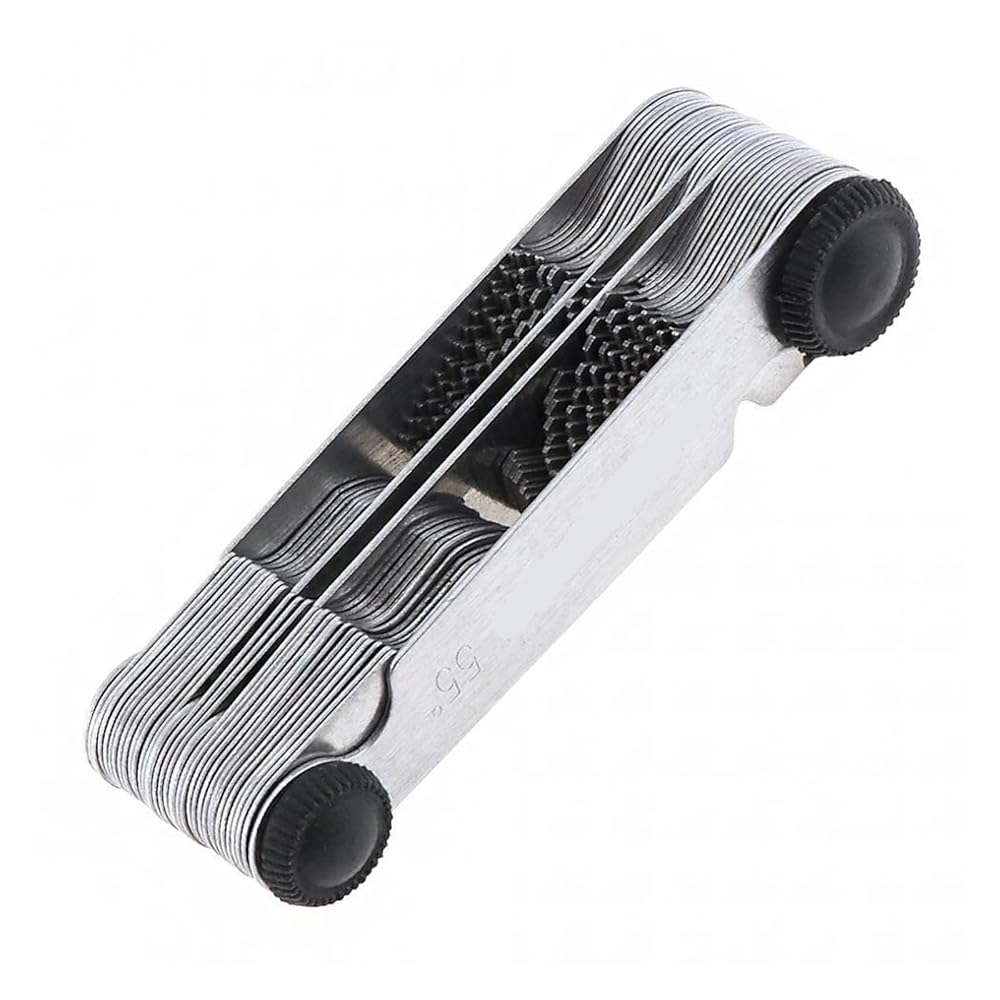
58PCS Stainless Steel Pitch Scale High Precision Measuring Tool
Measuring Tool :The 58PCS Stainless Steel Pitch scale offers high precision measuring, ensuring accurate readings every time.
Metric Inch One Piece Thread Samples :The metric inch one-piece thread samples make it easy to convert measurements from one system to another, saving time and effort.
58PCS Stainless Steel Pitch scale :This product comes with 58 different pitch scales, making it versatile and suitable for a wide range of applications.
Features:
- It is 55 Degree & 60 Degree Thread Screw Pitch Gauge gage with lock up device
It is useful to check the tool angle when cutting threads on a metal lathe
Check the angle on the thread cutting tool on the V groove of the gauge
thread is an inch thread with a profile angle of 55 degrees and a flattening height of H 6 G represents cylindrical thread.
- has a profile angle of 60 and a flattening height of H / 8, which is different from thread profile (profile angle of 55 and flattening height of H / 6).
- Metric thread has ordinary thread (tooth angle 60 °); Trapezoidal thread (profile angle 30 °); Serrated thread (profile angle 33 °); Square thread, etc.(This product is suitable for 60 degree ordinary thread)
Measuring Range:
- 55°: 4G, 4 1/2G, 5G, 6G, 7G, 8G, 9G, 10G, 11G, 12G, 13G, 14G, 16G, 18G, 19G, 20G, 22G, 24G, 25G, 26G, 28G, 30G, 32G, 36G, 40G, 48G, 60G, 62G
- Metric 60°: 6.0, 5.5, 5.0, 4.5, 4.0, 3.5, 3.0, 2.5, 2.0, 1.75, 1.5, 1.25.1.0, 0.9, 0.8, 0.75, 0.7, 0.6, 0.5, 0.45, 0.4, 0.35, 0.3, 0.25
- 60°: 8, 10, 11, 14, 19, 28
Note:
- Wipe the measuring surface of the feeler gauge with a clean cloth, and do not measure when the feeler gauge is dirty or metal septum, otherwise the accuracy of the measurement result will be affected.
- Insert the feeler gauge into the measured space, pull the feeler gauge back and forth, and feel resistance, indicating that the source value of the room is close to the value marked on the feeler gauge. If the resistance is too large or too small, it means that the clearance value is less than or greater than.
- Marked on the feeler gauge. When measuring and adjusting the clearance, first select the feeler gauge that meets the clearance requirements and insert it into the measured gap, and then adjust and pull the feeler gauge at the same time, When you feel a little resistance, tighten the lock nut, and the value marked by the feeler gauge is the clearance value.
 الفولاذ المقاوم للصدأ المسمار قياس الموضوع التوصيل قياس والعتاد الأسنان موضوع الملعب للطي أداة قياس (28 قطعة 55)
KWD 6
الفولاذ المقاوم للصدأ المسمار قياس الموضوع التوصيل قياس والعتاد الأسنان موضوع الملعب للطي أداة قياس (28 قطعة 55)
KWD 6
 مثلث رسم واسع النطاق رسم معماري داخلي مسطرة مكبرة متوازية (أ)
KWD 6.500
مثلث رسم واسع النطاق رسم معماري داخلي مسطرة مكبرة متوازية (أ)
KWD 6.500
 32 قطعة مجموعة قياس الملمس المحمولة دائم مواصفات مختلفة قوس الفولاذ المقاوم للصدأ قياس الفجوة مقياس المحسس Rangefinder
KWD 6.500
32 قطعة مجموعة قياس الملمس المحمولة دائم مواصفات مختلفة قوس الفولاذ المقاوم للصدأ قياس الفجوة مقياس المحسس Rangefinder
KWD 6.500
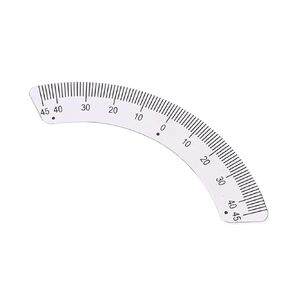 زاوية لوحة مقياس حاكم 45 درجة زاوية قوس قياس أدوات قياس الفرجار
KWD 7
زاوية لوحة مقياس حاكم 45 درجة زاوية قوس قياس أدوات قياس الفرجار
KWD 7

 الكويت