- التسوق ، اصبح سهلا.
- /
- احصل على التطبيق!
Instructions:
-To remove the PCV valve, just pull it out of the valve cover and pull off the hose.
-To test the PCV valve, start the engine, pull the valve out of the valve cover and put your thumb over the hole in the end.
If you hear a little click, then the PCV valve is good. If there is no vacuum at the hole, either the valve is bad or the hose is bad.
-To see if the hose is bad, pull the hose off and put your thumb over the end. If there is vacuum, replace the PCV valve. If not, replace the hose.
Technology:
Although the PCV valve is a simple device, it is designed to reduce the air pressure inside the engine and redirect it to the air intake system.
Since the air is contaminated with oil, gasoline and engine metal residue, this in time will affect the operation of the valve assembly.
The valve can plug up over time, which will result in a poor running engine that delivers less power and reduced fuel economy.
It is a simple and inexpensive repair that will help contribute to a fuel-efficient and smooth running engine.
Common symptoms of a faulty PCV Valve include:
-Oil leaks / Oil in the Air Filter housing
-Excessive Oil consumption
-Gray-white smoke from the tailpipe
-Check Engine Light illuminated (common codes include P0171 and P0174)
Compatible with Toyota 1.8L PCV Valve :
2018-2022 C-HR
2009-2022 Corolla
2017-2018 Corolla iM
2009-2013 Matrix
2010-2015 Prius
2012-2015 Prius Plug-In
2012-2017 Prius V
Compatible with Lexus 1.8L PCV Valve :
2011-2017 CT200h
Compatible with Scion 1.8L PCV Valve :
2016 iM
2008-2014 xD
Replaces Part #: 12204-37010, V512 PCV Valve.
NOTE: This is NOT a genuine part, it's a aftermarket replacement part manufactured by GBDAMI.
 مفتاح مستشعر ضغط مكيف الهواء 92136-1FA0A، 921361FA0A متوافق مع إنفينيتي G35 M35، نيسان ألتيما فرونتير ماكسيما سينترا باثفايندر جوك مورانو كويست روج فيرسا إكستيرا 92136-3Z600، 92136-6J010
KWD 6.500
مفتاح مستشعر ضغط مكيف الهواء 92136-1FA0A، 921361FA0A متوافق مع إنفينيتي G35 M35، نيسان ألتيما فرونتير ماكسيما سينترا باثفايندر جوك مورانو كويست روج فيرسا إكستيرا 92136-3Z600، 92136-6J010
KWD 6.500
 مفتاح مستشعر الضغط العالي بتيار متردد 1551343، 15-51343، 13587668 متوافق مع شيفروليه سوبربان تاهو 2002-2021، بويك كاديلاك جي ام سي سييرا 2003-2020، بونتياك ساتورن 2002-2010 HVAC دونر mt1 247
KWD 7
مفتاح مستشعر الضغط العالي بتيار متردد 1551343، 15-51343، 13587668 متوافق مع شيفروليه سوبربان تاهو 2002-2021، بويك كاديلاك جي ام سي سييرا 2003-2020، بونتياك ساتورن 2002-2010 HVAC دونر mt1 247
KWD 7
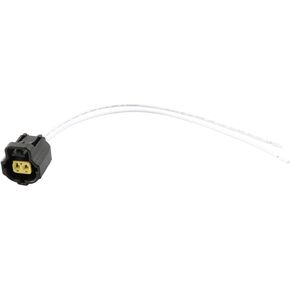 5014002AA مستشعر درجة حرارة الهواء المحيط مرسل موصل الأسلاك متوافق مع كرايسلر دودج فورد رام جيب التحكم في الهواء الخامل (IAC) مقبس موصل الصمام S820،3U2Z14S411CDA
KWD 5.500
5014002AA مستشعر درجة حرارة الهواء المحيط مرسل موصل الأسلاك متوافق مع كرايسلر دودج فورد رام جيب التحكم في الهواء الخامل (IAC) مقبس موصل الصمام S820،3U2Z14S411CDA
KWD 5.500
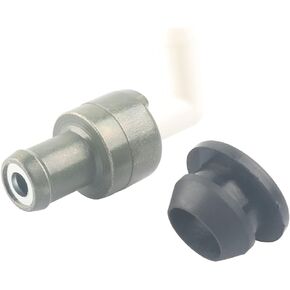 12204-62010 صمام PCV العادم 90480-18001 متوافق مع Toyota 4runner 1996-2002، T100 1995-1998، Tacoma 1995-2004، Tundra 2000-2004، Lexus ES300 SC300 مجموعة صمامات تهوية علبة المرافق الإيجابية
KWD 5.500
12204-62010 صمام PCV العادم 90480-18001 متوافق مع Toyota 4runner 1996-2002، T100 1995-1998، Tacoma 1995-2004، Tundra 2000-2004، Lexus ES300 SC300 مجموعة صمامات تهوية علبة المرافق الإيجابية
KWD 5.500