Nitrile skeleton oil seals are composed of nitrile rubber as the sealing lip material and a metal skeleton. Nitrile rubber has excellent oil resistance, wear resistance, and elasticity, making it particularly suitable for environments involving mineral oils, hydraulic oils, and other media. The metal skeleton provides structural support, ensuring that the oil seal maintains its shape during installation and operation and enhancing overall rigidity.
Its sealing function is mainly achieved through the close contact between the rubber lip and the shaft surface. The lip design usually has a return oil line, which can guide the infiltrated oil back to the oil tank while preventing external dust, moisture, and other impurities from entering, thus achieving a double-sided sealing effect. During installation, the lip should face the sealed medium side to ensure more reliable sealing under pressure.
Nitrile skeleton oil seals are suitable for mechanical transmission applications with medium to low temperatures (generally -30°C to 100°C) and medium speeds, such as automobile engines, transmissions, hydraulic pumps, and motor bearings. Due to the poor resistance of nitrile rubber to polar solvents, it is not suitable for use in environments with strong chemical corrosion.
Advantages: Low cost, good oil resistance, excellent elasticity, certain compensation capacity for shaft eccentricity and vibration, and easy installation and maintenance.
When selecting a seal, it is essential to match the shaft diameter, groove dimensions, and working medium to ensure that the lip hardness is suitable for the operating conditions. During maintenance, avoid scratching or excessive wear on the shaft surface. Regularly inspect the oil seal for lip wear, deformation, or corrosion of the skeleton. If leakage is detected, replace the seal promptly to extend the service life of the equipment.
وصف
Dimensions: Inner diameter x Outer diameter x Thickness (mm)
 دعامة ذراع تحكم سفلية ملحومة أمامية مكونة من قطعتين من Foget متوافقة مع 2007-2018 Wrangler JK JKU
KWD 29
دعامة ذراع تحكم سفلية ملحومة أمامية مكونة من قطعتين من Foget متوافقة مع 2007-2018 Wrangler JK JKU
KWD 29
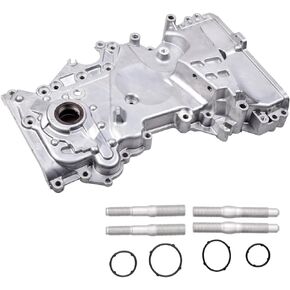 RCRBT 21350-2E330 21350-2E021 غطاء مضخة زيت سلسلة التوقيت متوافق مع Hyundai Tuscon/Forte/Kia Soul 2012-2013، استبدال # 21350-2E350، 21350-2E310، 21350-2E311
KWD 39.500
RCRBT 21350-2E330 21350-2E021 غطاء مضخة زيت سلسلة التوقيت متوافق مع Hyundai Tuscon/Forte/Kia Soul 2012-2013، استبدال # 21350-2E350، 21350-2E310، 21350-2E311
KWD 39.500
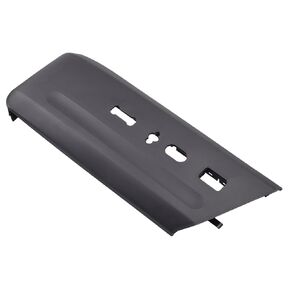 7L1Z-14A707-CC غطاء مفتاح مقعد الجانب الأيسر للسائق، غطاء لوحة الكسوة متوافق مع 2007-2014 Ford Expedition يستبدل #7L1Z14A707CC
KWD 15.500
7L1Z-14A707-CC غطاء مفتاح مقعد الجانب الأيسر للسائق، غطاء لوحة الكسوة متوافق مع 2007-2014 Ford Expedition يستبدل #7L1Z14A707CC
KWD 15.500
 قطع الغيار البديلة لـ Auto Moto Truck Truct OEM لـ 42283 زيت المحرك يناسب Massey Ferguson 135 150 230 235 240 245 250 253 + Mod-JZ985-31699
KWD 14.500
قطع الغيار البديلة لـ Auto Moto Truck Truct OEM لـ 42283 زيت المحرك يناسب Massey Ferguson 135 150 230 235 240 245 250 253 + Mod-JZ985-31699
KWD 14.500